






From Poha to Appam: The New Breakfast Club
For years, the narrative around young, urban Indians suggested a wholesale pivot to Western breakfast staples like sugary cereals, pancakes, and avocado toast. While those options remain popular, a more interesting trend is taking root: the resurgence
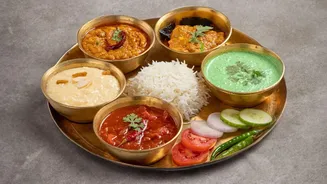
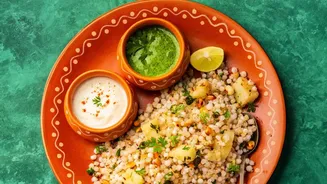
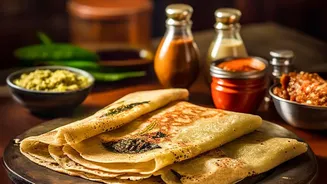
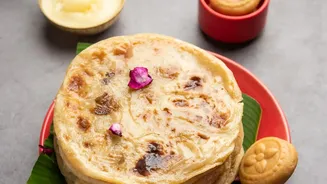
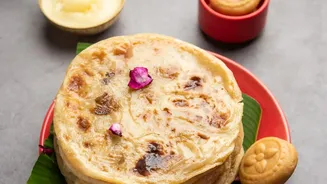
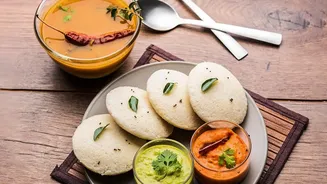
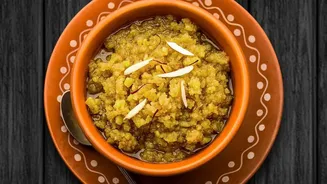
of traditional, regional Indian breakfasts. From the light, fluffy poha of Maharashtra and Madhya Pradesh, often garnished with peanuts and fresh coriander, to the fermented rice-batter idlis and dosas of the South, young people are increasingly starting their day with the flavours of home. This isn't just about what's being cooked in family kitchens. This trend is visible in the burgeoning cafe culture and on food delivery apps, where regional specialties are no longer a niche offering but a mainstream choice for a generation seeking meals that are both comforting and nourishing.
A Recipe for Health and Heritage
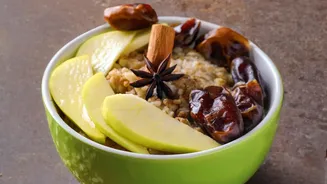
So, what's driving this return to culinary roots? Two major factors are health and nostalgia. Traditional Indian breakfasts are often inherently nutritious, built on principles of balanced eating. Many dishes are crafted from whole grains like millets, protein-rich lentils, and fibre-filled vegetables. Fermented foods like idli, dosa, and the Odia dish Pakhala Bhata are natural probiotics that support gut health—a topic of growing interest for wellness-conscious Gen Z. Spices like turmeric, cumin, and ginger, staples in these recipes, are known for their digestive and anti-inflammatory properties. Beyond the nutritional benefits, there is a powerful emotional component. For many young Indians living in cities away from their hometowns, these dishes offer a taste of nostalgia and a tangible connection to their family and heritage.
The Instagrammable Idli
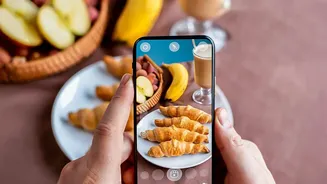
It would be impossible to discuss any trend among young Indians without acknowledging the role of social media. Digital platforms have transformed regional food from a private, domestic affair into a public, shareable experience. Food bloggers and Instagram influencers are showcasing traditional dishes with modern aesthetics, making a simple plate of poha or a perfectly crisp dosa look as appealing as any global food trend. The visual nature of social media celebrates the vibrant colours and diverse textures of Indian cuisine. Viral reels and step-by-step cooking videos demystify complex recipes, encouraging even novice cooks to experiment with their heritage cuisine. This digital exposure makes traditional food not just accessible, but cool and aspirational.
Cafes and Cloud Kitchens Take Note
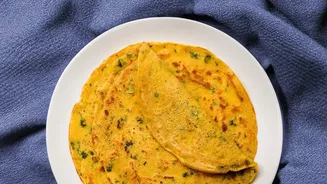
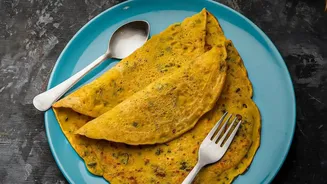
The food industry has been quick to respond. Across India's metros, new cafes and delivery-first cloud kitchens are building their brands around authentic regional offerings. Some are dedicated to specific cuisines, like South Indian 'tiffin' rooms, while others offer a curated pan-Indian breakfast menu featuring dishes from Gujarat (thepla), Maharashtra (misal pav), and Tamil Nadu (pongal). This commercialisation does more than just offer convenience; it validates the cuisine's importance. When a local dish is presented in a trendy cafe setting or can be ordered with a few taps on an app, it gains a new layer of relevance for a generation that values access and experience. This trend extends beyond India, with restaurants in places like New York and Los Angeles finding success with authentic Indian breakfast and brunch menus.
More Than Just a Meal
Ultimately, the growing popularity of regional breakfasts is part of a larger story about modern Indian identity. As young Indians navigate a globalised world, there is a concurrent and powerful desire to connect with their roots. Choosing a traditional breakfast is a small but significant act of cultural assertion. It's a rejection of the idea that 'modern' must mean 'Western'. Instead, it reflects a generation that is confident in its own culture and is finding ways to integrate tradition into a contemporary lifestyle. They want the ancient grains their grandparents ate, but they also want the convenience of ordering them via an app. This blend of old and new, of pride and pragmatism, is what makes this food trend truly worth watching.