







Secure Your Luggage Physically
The most fundamental rule of train travel in India is to physically secure your main luggage. Most long-distance trains are equipped with hooks or bars under the lower berths specifically for this purpose. A sturdy chain and a reliable padlock are your best
friends. This simple act makes your bag an unattractive target for thieves who rely on speed and stealth. They are looking for a quick grab, especially at crowded stations where they can snatch a bag and disappear into the crowd before the train departs. A chained bag takes too much time and effort, prompting them to move on to an easier target. Remember to lock all zippers on your bags, as railway staff at cloakrooms may refuse to store them otherwise.
Beware of Common Distraction Tactics
Organised thieves often work in groups and use distraction as their primary weapon. One person might 'accidentally' spill a drink on you, another may drop something, and a third might ask for directions or create a commotion. While your attention is diverted for a few seconds, an accomplice can make off with your valuables. Common tactics include creating a jam on an escalator or near the train doors, blocking your path, or having someone knock on the window from outside the carriage to draw your gaze. Be wary of anyone who gets unnecessarily close or creates a sudden, unusual scene. Staying aware of your immediate surroundings is your best defence against these coordinated efforts.
Keep Valuables on Your Person
Your most critical items—wallet, phone, tickets, identification, and any essential medication—should never be left in your main luggage. Keep these in a small daypack, sling bag, or a money belt that stays on your body at all times. When sleeping, especially on an overnight journey, this small bag should be used as a pillow or kept inside your blanket with you. Thieves are known to target sleeping passengers, so making your valuables physically hard to reach is crucial. Avoid placing important items in the easily accessible outer pockets of your backpack. It’s convenient for you, but it’s also convenient for a thief.
Travel Light and Blend In
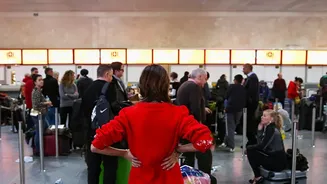
Navigating a packed railway platform during the festive season is challenging enough without being weighed down by excessive luggage. Packing light not only makes your journey more comfortable but also makes you a less conspicuous target. Thieves often look for tourists or those who appear overwhelmed. A traveller struggling with multiple heavy bags is seen as distracted and vulnerable. Pack only what you need in sturdy, unremarkable bags. Expensive-looking luggage can attract unwanted attention. The goal is to move through the station with confidence and ease, blending in with the crowd rather than standing out.
Stay Alert at Stations and Stops
Train stations, particularly during boarding and at intermediate stops, are prime locations for theft. Thieves can board the train as if they are passengers, grab an unattended bag, and exit just before the train starts moving. Be especially vigilant whenever the train halts. Avoid dozing off when the train is pulling into or waiting at a station. If you're near an exit, be extra cautious. Some snatchers time their theft perfectly, grabbing a phone or bag from a passenger near the door and dashing out just as the doors close. If you need to use the washroom, it's safest to go when the train is moving at a steady speed between stations.
Know Who to Contact for Help
While personal vigilance is key, remember that help is available. The Railway Protection Force (RPF) and Government Railway Police (GRP) are responsible for security on trains and at stations. Indian Railways has a dedicated security helpline number, 139, which you can call for any security-related assistance. If you see any suspicious activity or become a victim of theft, report it immediately to the TTE, RPF escort staff, or use the helpline. In recent years, railways have also started using technology like drone surveillance to monitor crowded areas and vulnerable locations, adding another layer of security.