




More Than a Trend, It’s a Mindset
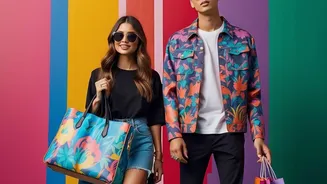
This festive season, a quiet revolution is unfolding in the wardrobes of India’s youngest generation of celebrators. The frantic rush for a new, one-time-wear outfit is being replaced by a more thoughtful approach. For Gen Z, born between 1997 and the early
2010s, sustainability isn't just a buzzword; it's a core value influencing their choices, from food to fashion. They are increasingly aware of fashion's environmental impact, from water consumption to textile waste. This consciousness is driving a significant shift away from mass-produced fast fashion toward choices that are kinder to the planet and its people. For this generation, a garment’s story—who made it, what it’s made of, and how long it will last—is becoming just as important as its aesthetic.
Defining Sustainable Festive Wear
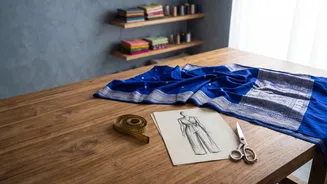
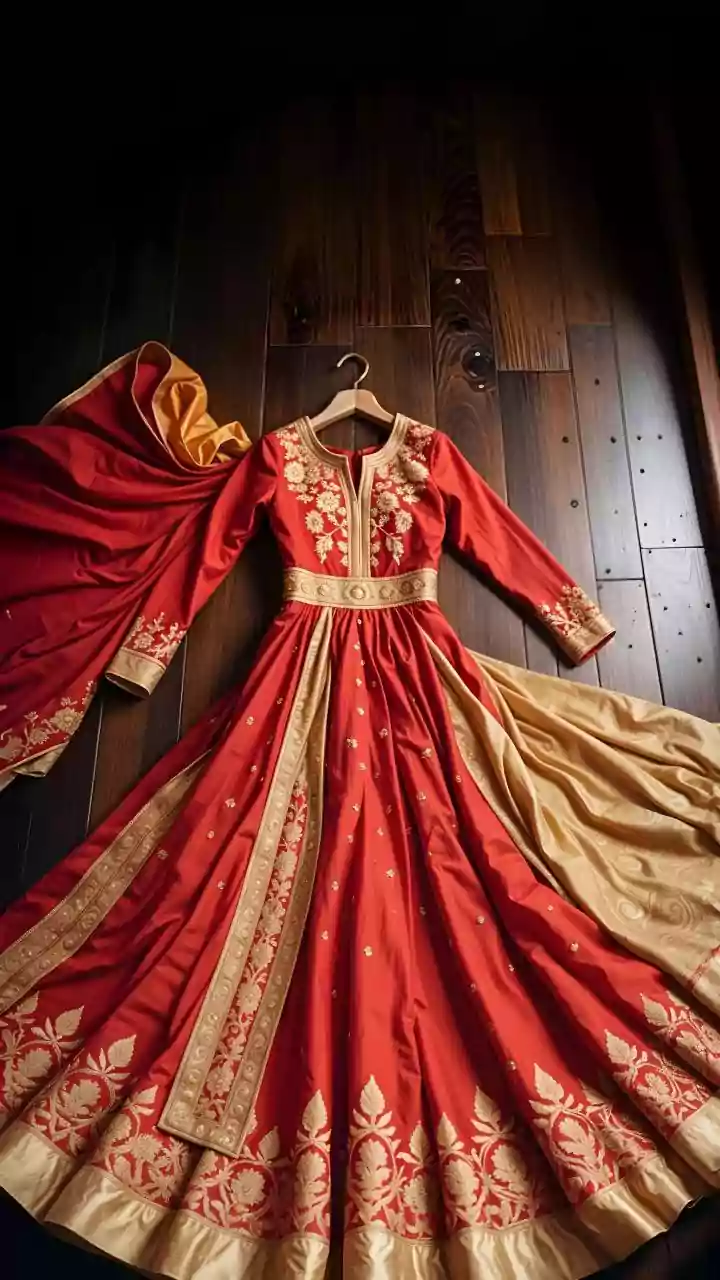
So, what does sustainable festive fashion look like? It’s a broad and creative spectrum. It includes embracing handloom textiles like Khadi, which have a minimal carbon footprint and support artisan communities. It also involves the growing culture of thrifting and upcycling, where pre-loved garments are given a new lease of life. Imagine turning a mother's old silk saree into a chic lehenga skirt or a stylish corset top. This approach isn't just about being eco-friendly; it's a celebration of creativity and individuality. Furthermore, rental platforms are gaining traction, allowing people to wear a stunning outfit for an occasion without the commitment of ownership, directly challenging the 'wear once' culture. This multi-faceted approach shows that sustainability is not about limitation, but innovation.
The Power of Authenticity and Individuality
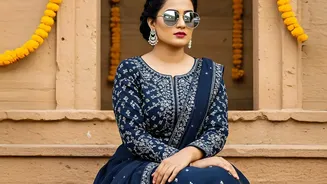
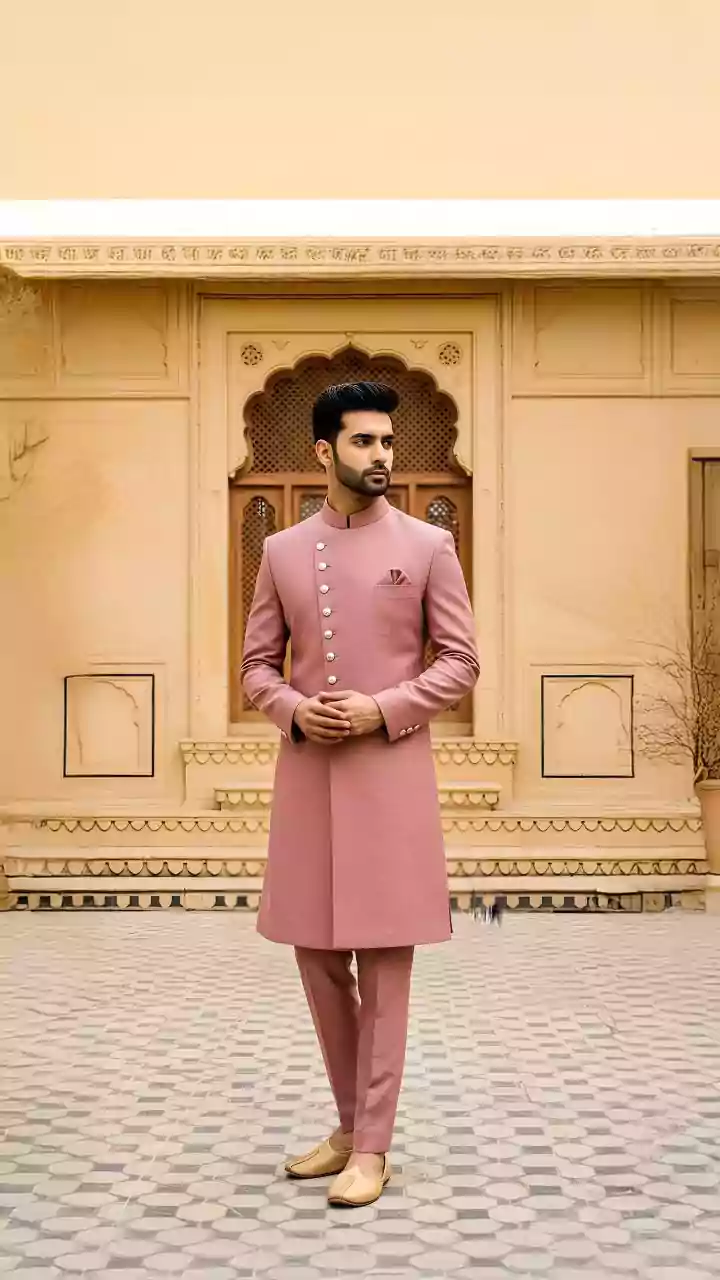
A key driver behind this momentum is Gen Z’s deep-seated desire for authenticity. In a world saturated with fleeting social media trends, they crave uniqueness that mass-produced clothing cannot offer. A vintage piece, an upcycled creation, or a handwoven garment tells a unique story. According to reports, a significant portion of Gen Z cites reducing consumption as a primary reason for shopping secondhand, making the phrase “Thanks, it’s vintage” a statement of pride. This generation uses fashion as a form of self-expression, blending traditional Indian elements with contemporary styles, such as pairing jhumkas with streetwear or kurtas with sneakers. This fusion creates looks that feel personal and rooted in culture, yet entirely modern.
The Social Media Influence
Ironically, the digital platforms that fuel fast fashion microtrends are also the primary channels for promoting sustainability. Social media has a significant impact on the fashion choices of Indian Gen Z, with platforms like Instagram and Pinterest serving as major sources of inspiration. Influencers and content creators are championing thrift hauls, DIY upcycling projects, and styling videos featuring handcrafted pieces. They are making conscious consumption look cool, aspirational, and accessible. By showcasing how to restyle a single piece in multiple ways or transform an old garment, they provide a practical and engaging alternative to mindless shopping, proving that you don’t need a new outfit to make a statement.
A Return to Roots
This movement is also a powerful return to tradition. For decades, India has had a culture of reusing, repairing, and passing down garments. Gen Z is reviving these practices, viewing them not as old-fashioned but as a wise and sustainable way of life. There's a newfound appreciation for heirloom pieces and the craftsmanship of local artisans. Brands that focus on traditional techniques and ethical production are finding a willing audience in this demographic. By choosing a handloom saree or an artisan-crafted accessory, these young consumers are not only making an environmental statement but also helping to preserve cultural heritage and support local economies, making their festive wear truly meaningful.