


Beyond the Grand Spectacle
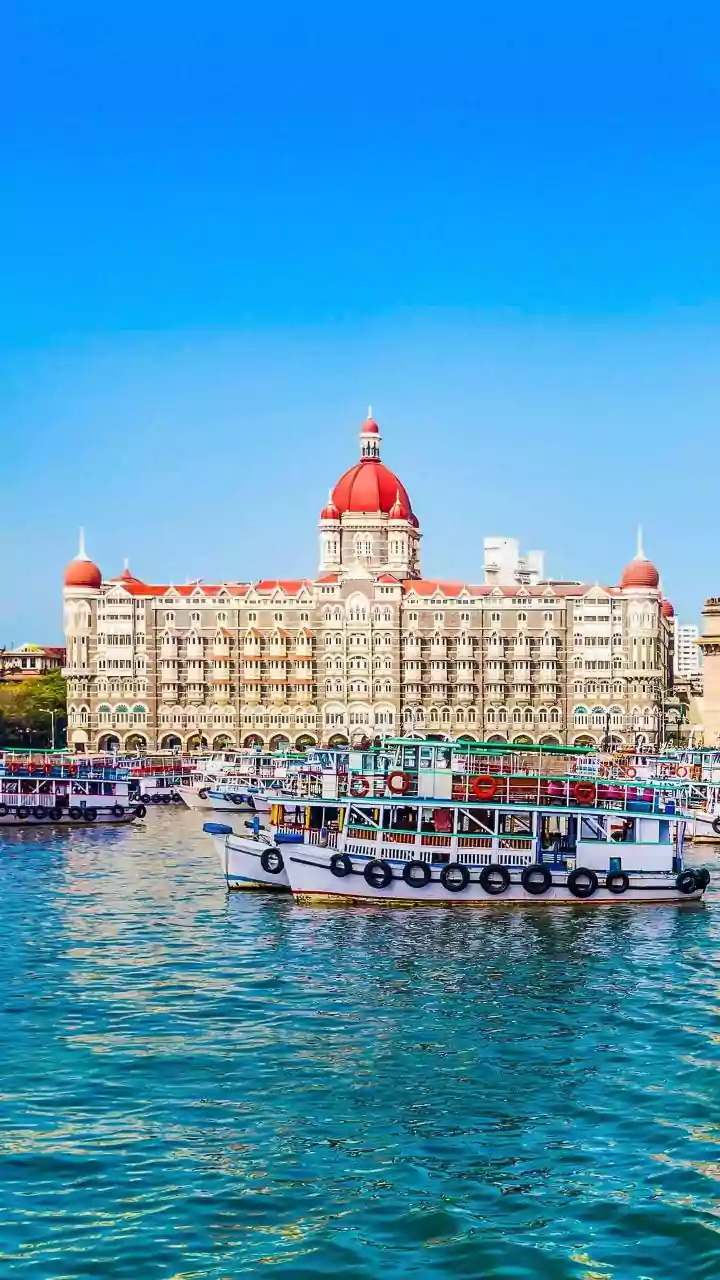
For ten days, India pulsates with the energy of Ganesh Chaturthi, a festival that transforms streets into vibrant hubs of devotion. While cities like Mumbai are famous for their monumental celebrations and iconic idols like Lalbaugcha Raja, a new narrative
is unfolding for travellers seeking more than just the grand spectacle. The real journey begins when you look past the massive processions to discover the intimate, community-driven stories that define the festival's soul. This is an invitation to travel deeper, exploring the festival not just as a spectator, but as a participant in its rich cultural and culinary tapestry, from historic lanes to quiet coastal villages.
A Culinary Pilgrimage for Bappa
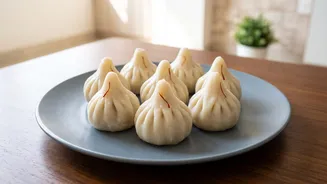
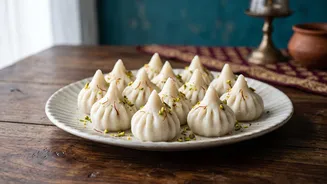
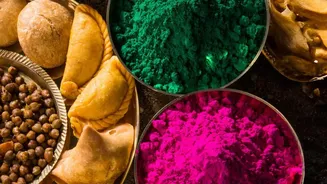
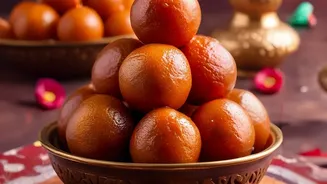
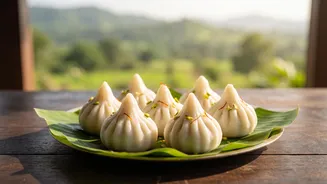
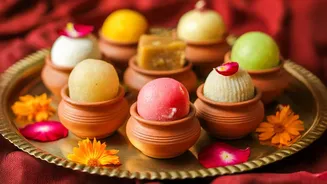
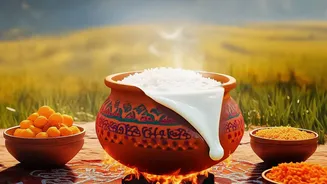
No celebration of Lord Ganesha is complete without a feast, and the festival offers a culinary map as diverse as India itself. Modak, the steamed rice-flour dumpling with a sweet coconut and jaggery filling, is considered the deity's favourite. But the offerings extend far beyond this beloved sweet. In Maharashtra, homes are filled with the aroma of Puran Poli, a sweet flatbread stuffed with lentils and jaggery. Savoury snacks like crispy Chakli and Karanji (also known as Gujiya) are equally essential. For travellers, this is a chance to embark on a food-focused pilgrimage, sampling not just the famous sweets but also regional specialties that tell a story of local ingredients and age-old traditions.
Goa and Konkan's Quieter Traditions
While Maharashtra's cities are known for public festivities, the celebrations in Goa and the Konkan coast offer a different, more intimate experience. Here, the festival, known locally as 'Chovoth', is centred around family homes and ancestral villages. A unique tradition is the 'matoli', a wooden canopy decorated with seasonal fruits, flowers, and vegetables, hung over the idol, reflecting the region's agrarian roots. Travellers can experience a quieter, more personal side of the festival, where community bonding and home-cooked meals take precedence over large-scale pandals. It’s an opportunity to see how devotion is woven into the fabric of daily life, far from the urban frenzy.
Pune’s Walk Through History
To understand the festival's modern form, one must travel to Pune, where social reformer Lokmanya Bal Gangadhar Tilak transformed a private ritual into a grand public event in 1893 to unite people during the freedom struggle. For a traveller, exploring Pune during Ganeshotsav is like a walking history lesson. The city honours its 'Manache Ganpati', five revered pandals with historical significance that lead the immersion procession. Visiting pandals like Kesariwada, where Tilak started the first public celebration, or Guruji Talim, which symbolises Hindu-Muslim unity, offers a journey into the festival's cultural and political roots.
The Rise of Eco-Conscious Celebrations
In recent years, a significant cultural shift has been the growing awareness around the festival's environmental impact. This has given rise to a new story for travellers: the eco-friendly Ganeshotsav. Across the country, communities and artisans are embracing idols made from natural clay ('shadu'), which dissolve easily in water, as opposed to Plaster of Paris. Some innovators have even created idols embedded with seeds that can grow into plants after immersion. For travellers interested in sustainable practices, participating in an eco-friendly idol-making workshop or visiting communities that champion green celebrations offers a forward-looking cultural experience that is both responsible and enriching.