






The Modern Urban Dilemma
For many urban professionals and dual-income families in India, the hours between finishing work and sitting down for a meal are filled with stress. Long workdays, commuting, and the desire for a healthy lifestyle create a conflict. The choice often boils
down to time-consuming cooking, expensive and often unhealthy takeaways, or the mental load of meal prepping. While India has a strong culture of home-cooked food, structural shifts like smaller households and longer working hours are changing eating habits. This creates a significant gap: the need for food that is nutritious and feels like home, but is also effortlessly convenient. It is this gap that modern meal subscription services are beginning to fill.
An Upgrade to the Tiffin
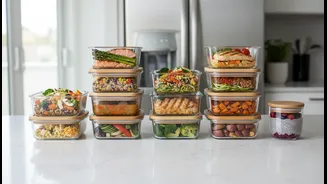
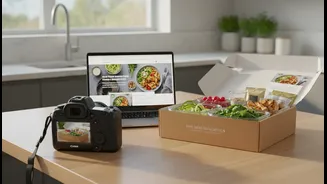
While tiffin services have been a staple for decades, today's healthy meal subscriptions are a significant evolution. They are moving beyond the standard dal, roti, and sabzi. These new-age services are built on technology platforms, offering apps for easy ordering, pausing, and customization. The core difference lies in personalization. Customers can now choose meals based on specific dietary goals, such as high-protein, low-carb, keto, or vegan. They offer calorie-counted portions and nutritionist consultations, transforming the simple meal delivery into a tailored wellness service. This is a far cry from the one-size-fits-all approach of traditional dabbawalas, catering to a new generation's demand for data-driven health.
What's on the Menu?
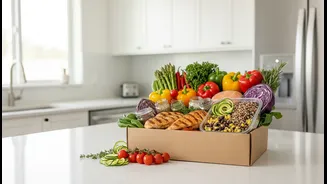
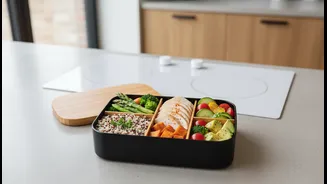
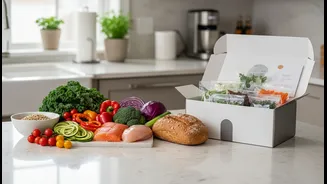
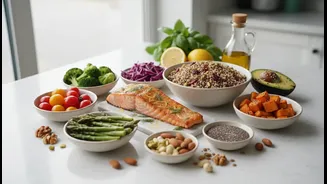
Forget the misconception of bland 'diet food'. The menus of these services are designed by chefs and are surprisingly diverse, often featuring a mix of Indian and global cuisines made with a healthy twist. You might find quinoa biryani and millet dosas alongside grilled chicken salads and vegetable stroganoff. The focus is on using fresh, high-quality ingredients and balanced macronutrients. For example, some services offer plans specifically for weight loss, muscle gain, or managing conditions like diabetes. Each meal often comes with detailed nutritional information printed on the packaging, empowering consumers to know exactly what they are eating. This transparency and variety make sticking to a healthy diet less of a chore and more of a culinary experience.
The Economics of Eating Well
At first glance, a monthly subscription can seem like a significant expense. However, when compared to the alternatives, the value proposition becomes clearer. For a busy individual, the cost often balances out against daily food delivery app orders, which come with delivery fees and restaurant markups. It also saves on the cost of groceries—some of which may go to waste—and the time and effort of cooking and cleaning. Many users see it not as an expense, but as an investment in their health and, most importantly, their time. The convenience of having a healthy, ready-to-eat meal waiting at home frees up valuable evening hours that can be spent with family, on hobbies, or simply relaxing.
Challenges and The Road Ahead
The healthy meal subscription market in India, while growing rapidly, is still in its early stages. Companies face logistical challenges in maintaining food quality, ensuring timely delivery across dense urban areas, and managing costs to keep subscriptions affordable. For consumers, the commitment of a weekly or monthly plan can be a hurdle. However, the potential is enormous. The market for online food delivery in India is projected to grow significantly, driven by urbanization and rising health consciousness. As more Indians prioritize their well-being, services that offer a seamless blend of health, convenience, and taste are poised for success, fundamentally changing how cities eat.