

Why Freshness Fades Fast
Unlike dry kibble, which has very low moisture, wet food is a perfect breeding ground for harmful bacteria. Its high moisture and protein content create an ideal environment for pathogens like Salmonella, Listeria, and E. coli to multiply once exposed
to air. While a can is sterile when sealed, the clock starts ticking the moment you open it. Bacteria can double in as little as 20 minutes in the right conditions, and you often can't see or smell these invisible threats. This process is even faster in the warm and humid climates common across India, turning your pet's meal into a health hazard much quicker than you might think.
The Two-Hour Rule
So, how long is too long? Most veterinarians and pet food safety experts agree on a general guideline: do not leave wet food out for more than two hours at room temperature. Some sources extend this to a maximum of four hours, but erring on the side of caution is always best. If the room temperature is high, particularly above 27-30°C, this window shrinks to just one hour or less. Leaving wet food out overnight is never a safe option, as it provides ample time for bacteria to reach dangerous levels that can cause significant digestive upset. If your pet is a grazer, it's better to offer smaller, more frequent meals rather than one large bowl left out for hours.
The Risks of a Spoiled Meal
Eating food that has been sitting out too long can lead to a range of health issues for your pet, from mild to severe. The most common signs of a foodborne illness are vomiting, diarrhoea, loss of appetite, and lethargy. This is your pet's body reacting to the bacteria or the toxins they produce. Beyond bacterial contamination, the food also loses its appeal and nutritional value. As it dries out, the texture becomes crusty and unappetizing, and the enticing aroma that stimulates your pet's appetite disappears. This can be particularly problematic for picky eaters or animals that need encouragement to eat.
An Open Invitation for Pests
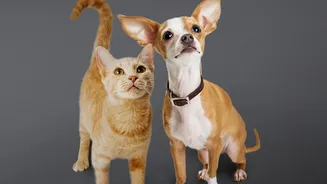
A bowl of leftover pet food is not just a risk for your dog or cat; it's an open invitation for household pests. Ants, cockroaches, and even rodents are quickly attracted to the smell of accessible food. This creates a secondary hygiene problem in your home, as these pests can spread germs from the pet bowl to your kitchen counters and other surfaces. Maintaining a clean feeding area by promptly removing uneaten food is a critical step in keeping both your pet and your home healthy and pest-free.
Best Practices for Safe Feeding
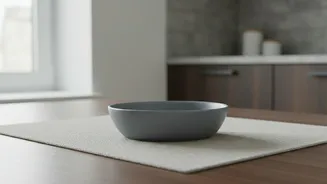
Adopting a few simple habits can ensure your pet enjoys their wet food safely. First, serve appropriate portions that your pet is likely to finish in one sitting. If you open a can that's too large, immediately refrigerate the leftovers in a sealed, airtight container—glass is often preferred over metal for storage. Leftovers should be used within three to five days. When it's time for the next meal, you can slightly warm the refrigerated food to enhance its aroma, as many pets dislike cold food. Most importantly, always wash the food bowl with hot, soapy water after every wet food meal to remove any bacterial film.