

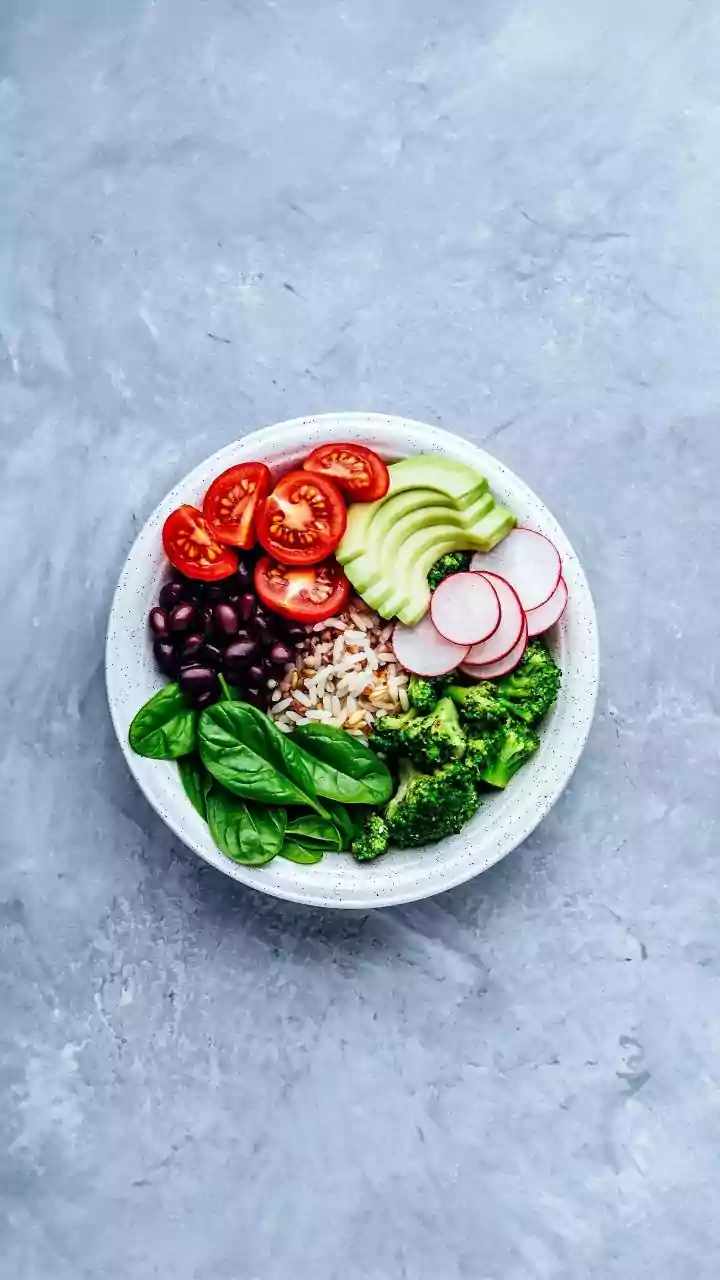




The Fasting and Feasting Dilemma
Multi-day fasts, like those during Navratri, are a time of spiritual devotion. However, the common cycle of long gaps between meals followed by heavy, often fried, 'vrat' food can wreak havoc on our digestive system. This pattern frequently leads to uncomfortable
issues like acidity, bloating, and a general feeling of heaviness. When the stomach remains empty for extended periods, stomach acid can build up, causing irritation. Then, breaking the fast with rich foods like kuttu puris or sabudana vadas can overwhelm the gut, which has slowed its production of digestive enzymes. The result is the exact opposite of the lightness and clarity fasting is meant to inspire.
Enter Sattvik: The 'Pure' Food Philosophy
The Sattvik diet, rooted in Ayurvedic and yogic traditions, is not just a list of ingredients but a philosophy of eating. The word 'Sattva' means pure, essential, and clean. A Sattvik approach emphasizes foods that are fresh, natural, light, and easy to digest. This means prioritizing seasonal fruits and vegetables, whole grains, nuts, seeds, and certain dairy products. Crucially, it avoids foods considered 'Rajasic' (stimulating, like excessive spice or caffeine) and 'Tamasic' (heavy or dulling, like processed items, onions, and garlic). The goal is to nourish the body without agitating the mind or straining the digestive system, making it an ideal framework for fasting.
Soothing the Digestive Fire
The principles of Sattvik cooking directly counteract the causes of gastric stress during fasting. By focusing on light, easily digestible foods, the diet gives the digestive system a much-needed rest, a concept Ayurveda calls strengthening the 'Agni' or digestive fire. Instead of oily and spicy preparations, Sattvik meals are often steamed, boiled, or lightly cooked. This reduces the likelihood of acid reflux and heartburn. High-fibre fruits and vegetables, integral to the diet, help maintain regular bowel movements and prevent the constipation that can sometimes accompany dietary changes.
Key Sattvik Ingredients for Fasting
Certain ingredients are staples in Sattvik fasting for very specific reasons. Rock salt, or 'sendha namak', is used instead of table salt because it is considered cooling and less likely to cause water retention or high blood pressure. Grains like buckwheat ('kuttu'), amaranth ('rajgira'), and barnyard millet ('samak') are gluten-free and easier to digest than wheat. Dairy products like milk and yogurt provide protein and have a calming effect, with yogurt also offering beneficial probiotics for gut health. Fruits like bananas and melons are alkaline and can help neutralize excess stomach acid. Finally, cooling spices like cumin, coriander, and fennel are used to aid digestion instead of fiery chillies.
Beyond the Plate: Mindful Practices
The Sattvik approach extends to how you eat. Ayurveda advises against feasting heavily right after breaking a fast, as this can shock the system. Instead, it recommends starting with something light, like fruit or a hydrating drink, to gently awaken the digestive process. Eating smaller, more frequent meals throughout the day can also prevent the buildup of stomach acid that occurs during long periods without food. The emphasis is on chewing food thoroughly and eating in a calm, unhurried manner, which itself improves digestion and nutrient absorption. These mindful practices ensure the body remains balanced and energized, turning the fast into a truly rejuvenating experience.