




The Magic of a Margazhi Morning
The month of Margazhi, which runs from mid-December to mid-January, holds a special place in the hearts of South Indians. It's a deeply spiritual time when the cool, pre-dawn hours are filled with devotional songs and the fragrance of incense. A common
sight is groups of people participating in 'nagara sankeertan', walking through the streets singing praises to the divine. This season is also marked by women drawing elaborate 'kolams' (rangoli) at their doorsteps. The culmination of these morning rituals is often a shared, steaming hot meal, turning a simple breakfast into a cherished community experience. These meals are not just about sustenance; they are about warmth, tradition, and a feeling of communal well-being that defines the season.
Venn Pongal: The Quintessential Comfort
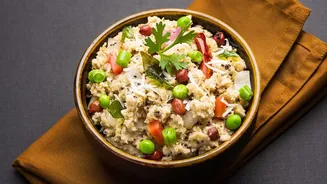
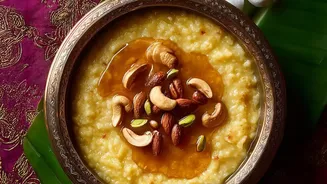
At the heart of this winter food tradition is Venn Pongal. It is a savory and comforting porridge-like dish made from newly harvested rice and moong dal. Generously laced with ghee, and spiced with whole black peppercorns, cumin, and ginger, it is both nourishing and deeply satisfying. The name 'Pongal' literally means 'to boil over', symbolizing abundance and prosperity, a sentiment that is central to the harvest festival that follows in January. Served piping hot, often garnished with fried cashews and accompanied by coconut chutney and sambar, Venn Pongal is the perfect antidote to the morning chill. It’s a dish that warms you from the inside out, making it a staple in temples and homes throughout Margazhi.
Beyond Pongal: A World of Winter Flavors
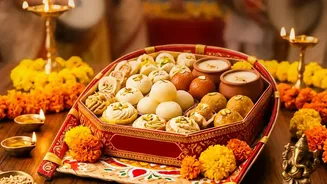
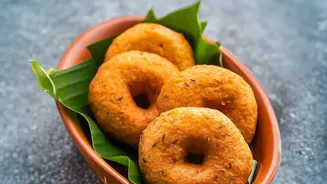
While Pongal is the star, the South Indian winter kitchen offers a diverse array of other delicacies. Thiruvathirai Kali is another significant dish, specially prepared for the Arudra Darshan festival which falls during Margazhi. It's a sweet preparation made from rice flour, jaggery, moong dal, and coconut, offering a delightful contrast to the savory Pongal. Another popular item is Sundal, a simple yet flavorful snack made from boiled legumes like chickpeas, seasoned with mustard seeds, curry leaves, and grated coconut. For those who enjoy fried foods, Medu Vada (peppercorn vada) makes for a delicious, crispy treat. And in some regions, hearty dishes like Kadamba Kootu, a mixed vegetable stew, and Kollu Rasam (horsegram soup) are enjoyed for their heat-inducing properties.
Warming Sips to Complete the Ritual
No South Indian morning is complete without a hot beverage, and in winter, this becomes even more essential. While the classic filter coffee is a year-round favorite, the colder months often call for something with a bit more potency. Enter Sukku Malli Kaapi, a fragrant and medicinal herbal brew. Made with a base of dry ginger ('sukku') and coriander seeds ('malli'), this 'coffee' often includes other spices like black pepper and cardamom. It is known for its ability to soothe sore throats and combat the cold, making it a popular choice during this season. Sweetened with palm jaggery, its spicy-sweet aroma is the final, perfect touch to a traditional winter morning meal, offering comfort and wellness in every sip.