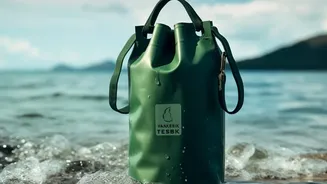







Start with a Waterproof Backpack
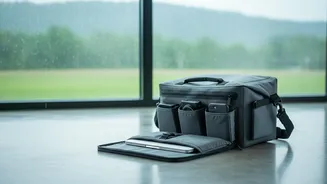
Your first line of defence is the bag you carry every day. Investing in a high-quality waterproof backpack is one of the smartest moves for any monsoon traveller. Look for bags made from materials like PVC or with a water-resistant coating. Many modern
backpacks come with a dedicated, padded laptop compartment and an integrated rain cover that can be quickly deployed during a sudden shower. This not only protects against direct rain but also keeps your devices safe from the ambient dampness that can seep into a regular bag.
Embrace the Power of Dry Bags
For complete peace of mind, especially for valuable items like cameras and laptops, a dedicated dry bag is essential. These are roll-top sacks made of heavy-duty PVC that create an airtight seal, making them fully waterproof. They come in various sizes, from small pouches for phones and wallets to larger 20 or 30-litre bags that can hold a laptop and other gear. You can use them on their own or place them inside your main backpack for an extra layer of guaranteed protection. They are a must-have for trekking, boating, or any activity where you might be exposed to heavy rain.
Use Dedicated Waterproof Pouches for Phones
Your phone is often your most-used device. A transparent waterproof pouch allows you to use your phone's touchscreen and even take pictures while it's safely sealed inside. Look for pouches with an IP (Ingress Protection) rating, such as IP68, which indicates a high level of protection against dust and water submersion. These pouches are inexpensive, widely available, and perfect for navigating through a downpour or visiting a waterfall without risking your device.
The Low-Cost Hero: Zip-Lock Bags
Never underestimate the effectiveness of a simple zip-lock bag. While not as robust as a dedicated dry bag, they provide a surprisingly effective barrier against moisture for smaller items like power banks, charging cables, and earphones. You can double-bag items for extra security. They are cheap, lightweight, and can be a real gadget-saver in a pinch. It's always a good idea to keep a few different sizes in your travel kit for emergencies.
Don’t Forget About Humidity
Water damage isn't just about direct rain; high humidity can also be a silent killer of electronics. Moisture in the air can condense inside your devices, leading to corrosion over time. To combat this, place a few silica gel packets inside your electronics cases, camera bags, and laptop sleeves. These small packets are desiccant, meaning they absorb moisture from the surrounding air. You often get them with new shoes or electronics, so start saving them for your travel kit.
What to Do if Your Device Gets Wet
If disaster strikes and your phone or camera gets soaked, acting quickly is crucial. First, immediately power off the device. Do not try to turn it on or charge it, as this can cause a short circuit. Remove the case, SIM card, and memory card to let air circulate. Gently pat the exterior dry with a soft cloth. Do not use a hairdryer, as the heat can damage internal components. Despite the popular myth, do not put your phone in a bag of rice, as small grains and dust can get into the ports and cause more harm. Instead, place the device in an airtight container filled with silica gel packets, which are far more effective at absorbing moisture. Let it dry for at least 24 to 48 hours before attempting to turn it on.