


The world of snacking is getting an exciting makeover. While popcorn remains a timeless favourite, a new contender, ragi pops, is emerging from the rich heritage of Indian grains. This is a friendly face-off between the classic and the challenger.
The Undisputed Classic: Popcorn
For
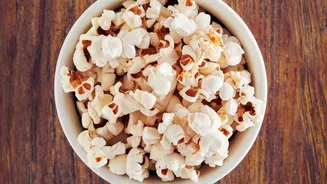
decades, popcorn has been the go-to snack for movie nights, parties, and casual munching. Made from a specific type of maize (corn), this whole-grain snack is beloved for its light, airy texture and satisfying crunch. When air-popped and lightly seasoned, it's celebrated as a low-calorie, high-fibre option. Its ability to serve as a blank canvas for a variety of flavours, from simple salt and butter to elaborate caramel and cheese coatings, has cemented its place in snack history. It is a familiar, reliable choice that delivers on both volume and crunch, making it feel like a substantial treat without a heavy caloric load.
The Challenger: Meet Ragi Pops
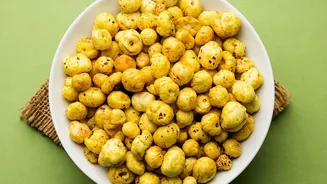
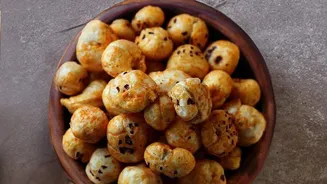
Emerging from the rediscovery of ancient grains, ragi pops are made from finger millet, a staple crop in parts of India for centuries. Known as 'nachni' in some regions, ragi is a nutrient-dense millet that is now being transformed into modern, convenient snacks. Ragi pops are essentially puffed finger millet grains, offering a crunchy texture and a mild, slightly nutty flavour. As consumers increasingly seek out healthier and more diverse food options, ragi is stepping into the spotlight, bringing its impressive nutritional credentials to the snacking table. These pops represent a return to traditional ingredients in a form that fits today's fast-paced lifestyle.
Nutritional Showdown
Here's where the comparison gets interesting. While plain, air-popped popcorn is low in calories, ragi brings a different set of nutritional strengths. Ragi is a powerhouse of calcium, containing significantly more than most other grains, making it excellent for bone health. It is also a rich source of iron, which can help combat anaemia. Popcorn, on the other hand, generally offers a higher volume for fewer calories. When it comes to fibre, both are good sources, aiding in digestion and promoting a feeling of fullness. However, ragi often contains more protein and essential amino acids like methionine, which are crucial for repairing body tissues. A 100-gram serving of ragi flour contains about 7 grams of protein, 11.5 grams of fibre, and an impressive 344 mg of calcium.
The Blood Sugar Impact
For those mindful of blood sugar levels, the glycemic index (GI) is an important factor. The GI measures how quickly a food raises blood glucose. Ragi typically has a low_to_moderate glycemic index, which means it releases sugar into the bloodstream more slowly. This provides sustained energy and helps prevent the sharp spikes and crashes associated with high_GI snacks. Its high fibre content further slows down digestion, making it a favourable choice for individuals managing diabetes or simply seeking more stable energy levels throughout the day.
Taste, Texture, and Versatility
Popcorn has a large, airy, and fluffy texture with a very mild taste that readily absorbs other flavours. Ragi pops are smaller, denser, and have a distinctive crunch with an earthy, nutty undertone. This inherent flavour means they can be enjoyed with minimal seasoning, though they also pair well with Indian spices like chaat masala or turmeric. While popcorn's texture is iconic, some may find the hulls that get stuck in their teeth to be a drawback. Ragi pops, being a different grain, do not have this issue. Both snacks offer versatility; they can be used as toppings for soups and salads or mixed into snack bars for added texture.
Preparation and Convenience
Popcorn wins on convenience, especially with microwaveable bags and prepped popped options widely available. Making it on the stovetop is also a quick and simple process. Making ragi pops from scratch is more involved, typically requiring the grains to be soaked,, dried,, and then roasted carefully on low heat until they puff. However,, as their popularity grows,, ready–to–eat packaged ragi puffs are becoming more common in stores,, offering the health benefits without the hassle.. These packaged versions are often baked or roasted rather than fried,, making them a clean,, guilt–free option for on–the–go snacking.