
A Culinary Renaissance
Beyond the usual lineup of popular curries and street food staples, a new wave of food festivals is championing authenticity and heritage. Organisers and chefs are curating events that celebrate the specific, the local, and the nearly forgotten. Festivals
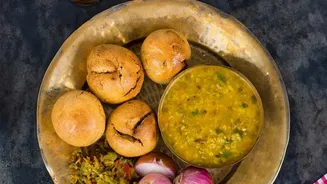
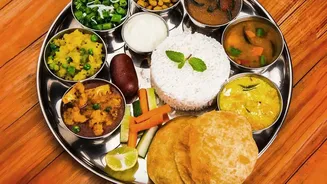
are increasingly dedicated to showcasing the distinct cuisines of particular regions, communities, or even lost historical eras. Events like the Hornbill Festival in Nagaland bring tribal recipes to the forefront, featuring indigenous ingredients and cooking methods rarely seen outside local communities. Similarly, festivals focused on Awadhi, Parsi, or regional Maharashtrian cuisines are becoming more common, offering a delicious education in India’s true culinary breadth.
What Are 'Generational Flavours'?
This trend is about more than just food; it's about tasting history. Generational flavours refer to recipes and techniques passed down through families, often orally, that define a community's identity. Think of sun-dried vegetable curries from Kashmir, designed for harsh winters, or the complex 'bottle masala' of Mumbai's East Indian community, a spice blend unique to each family. These are dishes born from a specific time and place, shaped by climate, agriculture, and cultural exchange. Many rely on slow-cooking methods like 'dum pukht' or techniques involving clay pots and open flames, which are now being celebrated for the depth of flavour they create. These recipes, often considered too time-consuming for commercial restaurants, are finding a new and appreciative audience at dedicated festivals.
The Curators of Taste and Time
This movement is being driven by a passionate group of chefs, home cooks, and cultural revivalists. Prominent chefs are making it their mission to research and document disappearing recipes, travelling to remote villages to learn from elders. They see themselves as cultural cartographers, mapping India's edible heritage before it vanishes. But it’s not just a top-down effort. Many festivals now actively celebrate home cooks and farmers alongside famous chefs, recognizing that true culinary knowledge often resides in domestic kitchens. Events like the 'Lost Recipes of Undivided India' festival are a testament to this, reviving dishes from a time before borders, celebrating a shared cultural and culinary past.
A Hunger for Authenticity
So, why is this happening now? The trend seems to be a confluence of several factors. For a generation raised on globalised menus and fast food, there's a growing desire to connect with their roots. Social media plays a significant role, as food bloggers and influencers share hyper-regional dishes, sparking curiosity and pride among younger audiences. There is a newfound appreciation for authenticity over generic fusion, with people seeking out genuine flavours and the stories behind them. Furthermore, these festivals offer a more profound experience than a restaurant meal; they are cultural gatherings that combine food with music, storytelling, and community, creating a vibrant celebration of heritage.
A Calendar of Culinary Heritage
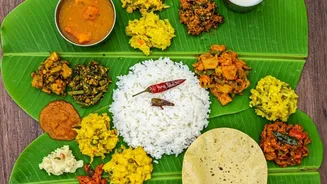
The expanding festival calendar reflects this rich diversity. Winter is often peak season for these events. You might find the Sattvik Food Festival in Ahmedabad promoting heirloom grains and vegetarian traditions, or the Ahare Bangla in Kolkata showcasing Bengal's tribal and rural delicacies. Harvest festivals like Pongal in Tamil Nadu and Onam in Kerala become massive celebrations of traditional foods tied to the season. From the National Street Food Festival in Delhi, which brings vendors from across the country together, to niche pop-ups focused on a single dish like Biryani, the opportunities to explore India's regional kitchens in one place are growing every year.