


The Strategic Handshake: Artemis and Beyond
The foundation of this enhanced cooperation is India's decision to sign the Artemis Accords. These are a set of principles led by the US, outlining norms for the civil exploration and use of outer space, including the Moon and Mars. By joining, India has
moved from a stance of independent space exploration to one of collaborative global engagement, ensuring it isn't left in technological isolation. This isn't just a symbolic gesture; it's a strategic alignment that integrates ISRO with global standards for everything from data sharing to operational protocols. The partnership is a key part of the broader U.S.-India Initiative on Critical and Emerging Technology (iCET), signaling that space is a crucial frontier for both nations. This framework opens the door to deeper, more ambitious joint projects than ever before.
A Direct Boost for Gaganyaan
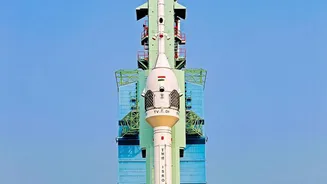
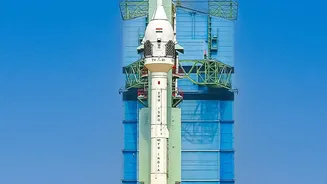
Perhaps the most immediate and tangible benefit is for India’s prestigious Gaganyaan mission, which aims to send Indian astronauts, or 'Gaganyatris', into orbit. As part of the collaboration, Indian astronaut candidates are receiving advanced training at NASA's Johnson Space Center in Houston. In a landmark precursor, an Indian astronaut is slated to travel to the International Space Station (ISS) on a NASA-coordinated mission with Axiom Space. This experience is invaluable. It provides firsthand knowledge of long-duration missions, life-support systems, and the operational tempo of an international crew—all crucial lessons that will directly feed into the safety and success of the Gaganyaan program. Experts see this as a vital step in gaining practical experience before ISRO mounts its own crewed flights.
Sharper Eyes on Earth
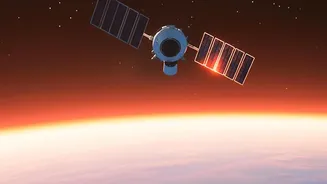
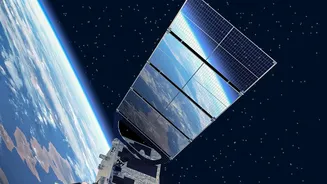
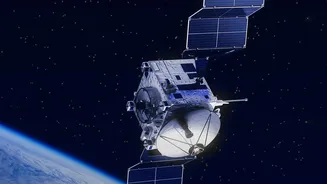
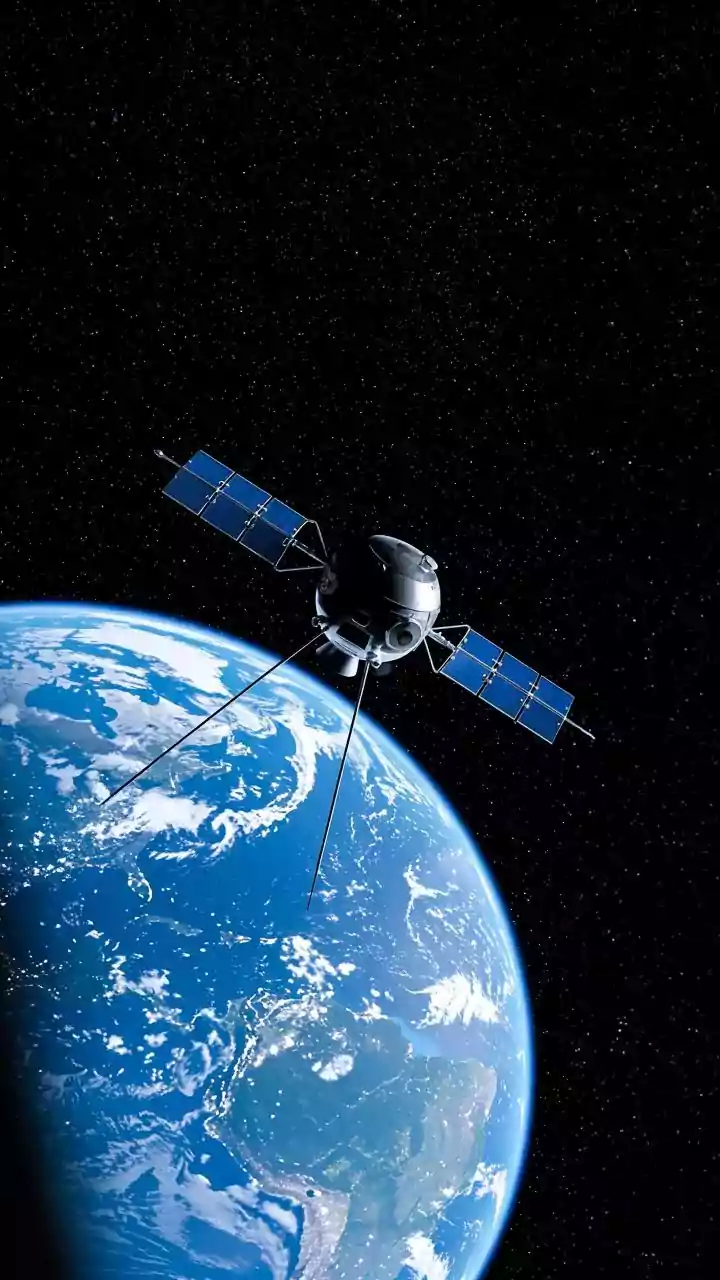
The collaboration extends to robotic missions that benefit life on Earth. A prime example is the NASA-ISRO Synthetic Aperture Radar (NISAR) mission, which successfully launched in July 2025. Hailed as the world's most expensive Earth-imaging satellite, NISAR is the first to use dual radar frequencies (L-band from NASA and S-band from ISRO) to systematically map our planet. This powerful satellite can observe changes in Earth's surface with unprecedented detail, penetrating clouds and dense forests. It will monitor everything from glacier melt and volcanic activity to soil moisture and the health of crops. By combining their technological strengths, NASA and ISRO have created a tool that provides critical data for managing natural resources and responding to disasters. Open data sharing from the mission will benefit the global scientific community.
The Gateway to Deep Space
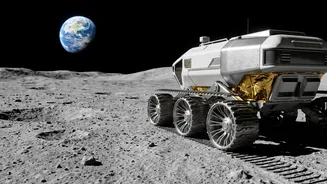
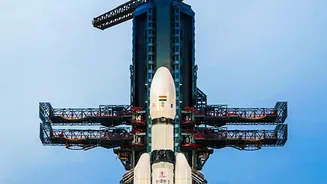
Looking further into the cosmos, US cooperation is critical for India's ambitions to explore the Moon, Mars, and Venus. Future missions like Chandrayaan-4 (a lunar sample return mission), Mangalyaan-2 (Mars Orbiter Mission 2), and Shukrayaan (a mission to Venus) will venture far from Earth. For these interplanetary journeys, reliable, long-distance communication is non-negotiable. NASA's Deep Space Network (DSN) is the global standard for this, and partnership provides ISRO with access to this essential infrastructure. Furthermore, as India plans for a crewed lunar landing by 2040 and the establishment of its own space station, the 'Bharatiya Antariksh Station', by 2035, NASA's experience is indispensable. NASA has already invited ISRO to join its Moon Base program, building on the Artemis partnership.
Fueling the Private Space Sector
The cooperation is also a significant catalyst for India's burgeoning private space industry. As ISRO works more closely with NASA, Indian companies are exposed to global supply chains, best practices, and new commercial opportunities. The Artemis Accords themselves encourage the commercial recovery and use of space resources, a new frontier where Indian startups can innovate. This strategic alignment helps bridge the knowledge gap and fosters partnerships, creating a more dynamic ecosystem for space-tech companies in India. The collaboration extends beyond government agencies to industry-level engagements in areas like satellite launch systems and space tourism, promising to unlock new economic avenues and further cement India’s role as a major player in the global space economy.