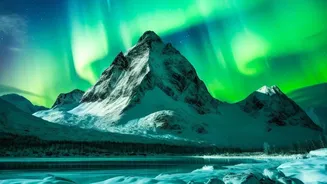





The Northern Lights are one of nature’s most spectacular displays, a bucket-list dream for travellers worldwide. But the allure of a 'guaranteed' sighting can be misleading. Here’s why a patient, multi-day strategy is your best bet.
The Fantasy of a Guaranteed Aurora
Tour operators promising
a 'guaranteed' Northern Lights sighting are selling a tempting fantasy. But the aurora is a natural phenomenon, not a scheduled performance. These guarantees rarely promise you'll actually see the lights. Instead, they typically offer a free second tour if the first night is a bust. This is small comfort if your trip is short or your flight leaves the next morning. In some cases, operators with these policies may cancel tours altogether if cloud cover or solar activity forecasts look poor, meaning you might not even get a chance to look. The promise isn't a scam, but it's a commercial one that transfers the risk of nature's unpredictability onto your limited holiday time.
The Science of Uncertainty
Seeing the aurora requires a perfect alignment of several factors that no one can control. First, you need solar activity—charged particles from the sun must collide with Earth's atmosphere. Second, you need darkness, far away from city light pollution. Finally, and often the biggest hurdle, you need clear skies. Heavy cloud cover will block even the most intense geomagnetic storm. Aurora forecasts exist, but their accuracy is limited, much like weather prediction. An amazing display can happen with little warning, and a strong forecast can fizzle out. This inherent unpredictability is why patience and time are a traveller's most valuable assets.
The Power of a Multi-Day Plan
The single most effective way to increase your chances of seeing the Northern Lights is to stay longer. Planning a trip of at least four or five nights in a prime aurora location significantly raises your odds. One cloudy evening can be followed by a perfectly clear one. A night of low solar activity might be succeeded by an unexpected solar storm. Staying put in one location, preferably in a remote area with dark skies, allows you to wait out bad weather and gives you multiple opportunities to catch a display. This approach turns aurora hunting from a single-night gamble into a strategic waiting game you are much more likely to win.
Choosing Your Arctic Base Camp
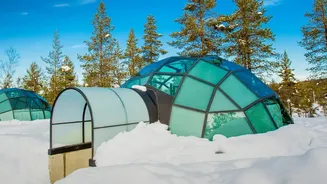
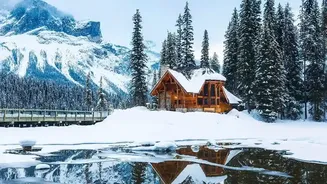
Your choice of destination matters. The best locations are situated within the 'auroral oval', a ring around the planet's magnetic poles where sightings are most frequent. This includes areas like northern Norway, Swedish and Finnish Lapland, Iceland, and parts of Canada and Alaska. When picking a spot, prioritise access to dark skies away from towns. Many travellers opt for glass igloos, remote cabins, or lodges designed for aurora viewing. Rather than hopping between locations each night, choose one base and use it for your multi-night stakeout. A good local guide can also be invaluable, using their knowledge of microclimates to find pockets of clear sky.
Embrace the Entire Arctic Experience
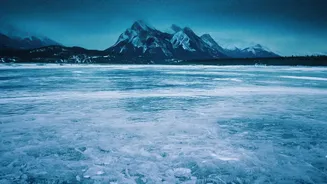
The smartest approach is to plan a trip where the Northern Lights are the potential highlight, not the sole objective. The Arctic offers a wealth of incredible experiences, from dog sledding and snowmobiling to learning about indigenous Sámi culture and exploring stunning icy landscapes. Depending on your destination, you could go on a whale watching tour, hike across a glacier, or explore ice caves. By building an itinerary filled with these activities, your trip is guaranteed to be amazing, whether the aurora shows up or not. If and when the lights do appear, it becomes the magical, unforgettable bonus to an already fantastic adventure, rather than the make-or-break event of your holiday.