



A Tale of Two Infrastructures
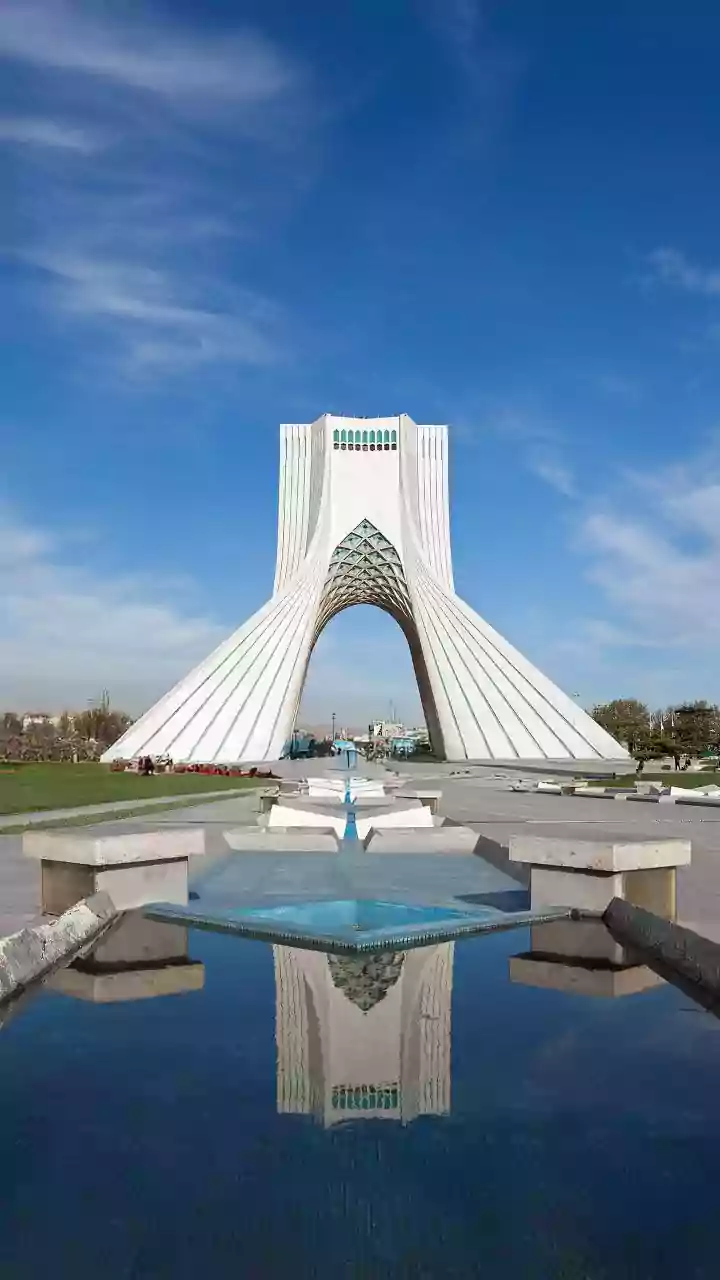
For years, Iran's military and particularly its nuclear facilities have been under a microscope. International bodies like the IAEA have kept a close watch on sites like Natanz and Fordow, attempting to monitor the country's atomic ambitions. However,
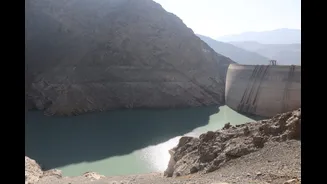
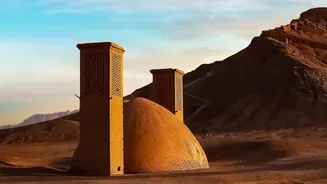
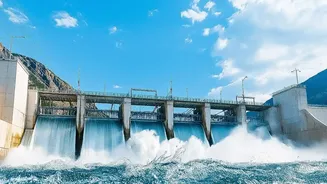
a new element has entered the equation: water. Analysts are now paying close attention to Iran's extensive network of dams, pipelines, and water transfer projects, many of which have long puzzled environmental experts due to their construction in areas with no clear civilian need. This dual focus has ignited a new hypothesis in intelligence circles: that these two seemingly separate networks—military and water—might be strategically linked.
Connecting Dams and Defense
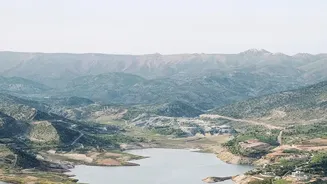
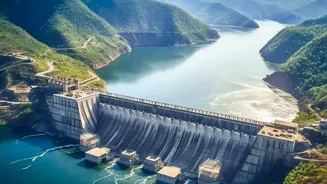
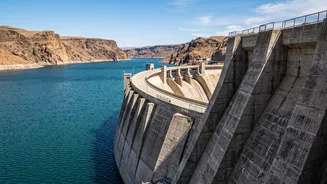
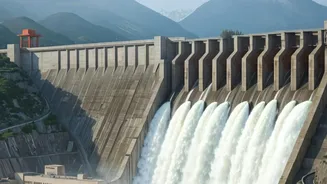
The central question is whether some of Iran’s water infrastructure could be serving a dual purpose. According to recent analysis, there is a striking geographical overlap between the locations of many of Iran's 533 dams and areas that have been targeted in recent US and Israeli airstrikes on suspected military sites. Experts speculate that these dams could provide a steady and independent supply of water and electricity to fortified underground military complexes, often referred to as 'missile cities'. This would grant Tehran what former Israeli military intelligence analyst Danny Citrinowicz calls 'operational continuity', ensuring its critical missile facilities are not dependent on the national civilian grid, which could be vulnerable in a conflict. While the connection is still considered a hypothesis and not a proven fact, the evidence has been described as suggestive by several water and military experts.
The Nuclear Impasse
This fresh scrutiny comes at a time of heightened tension over Iran's nuclear program. Following US-Israeli strikes in mid-2025 that damaged key nuclear sites, the International Atomic Energy Agency (IAEA) has been denied access to verify the country's stockpile of enriched uranium. The IAEA has expressed 'serious proliferation concern' over this lack of information, particularly regarding a new enrichment plant declared in Isfahan that inspectors have not been allowed to visit. Iran holds enough uranium enriched to 60% purity—a short step from weapons-grade—for an estimated 10 nuclear bombs. Tehran has cited ongoing military threats from the US as the reason for not resuming full inspections, creating a diplomatic and security standoff.
A Broader Geopolitical Game
The focus on dams adds another layer to an already complex situation. For one, Iran faces a severe domestic water crisis, driven by decades of mismanagement, drought, and over-extraction. This has led to social unrest and poses a significant internal security challenge for the regime. Some analysts believe that the massive investment in dams, sometimes overseen by the Islamic Revolutionary Guard Corps (IRGC), may have been driven by military considerations all along, providing a convenient cover for bolstering the country's defense infrastructure. The Iranian government has strongly pushed back on these suggestions. Parliament Speaker Mohammad Bagher Ghalibaf warned that linking civilian water projects to military sites could set a dangerous precedent, potentially justifying attacks on any country's critical infrastructure near a military base.