
Understanding Polyphenols and Cruciferous Vegetables
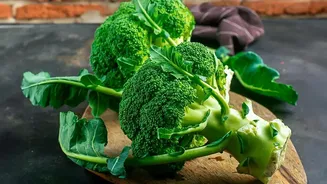
Before diving into cooking methods, let's clarify what we're trying to preserve. Polyphenols are a large group of naturally occurring plant compounds that act as antioxidants, helping to protect our cells from damage. Cruciferous vegetables — a family
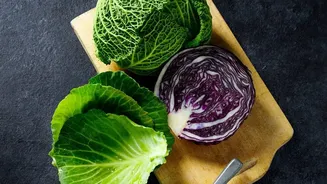
that includes broccoli, cauliflower, cabbage, kale, and Brussels sprouts — are particularly rich in these beneficial compounds, as well as others like glucosinolates. Studies have linked the consumption of these vegetables to a reduced risk of several chronic diseases. However, these valuable nutrients are sensitive to both heat and water, meaning the journey from the chopping board to your plate can significantly alter their nutritional profile. The goal is to cook them just enough to make them palatable and digestible without destroying their health-promoting properties.
Boiling: The Biggest Nutrient Offender
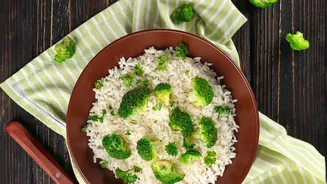
If you remember being served mushy, pale vegetables as a child, they were likely boiled. This method involves completely submerging vegetables in hot water. While it's a simple technique, it is often the worst for nutrient retention. Polyphenols and other water-soluble vitamins, like vitamin C, leach out of the vegetables and into the surrounding water, which is then typically discarded. Studies have shown that boiling can cause a significant loss of polyphenols and other important compounds in vegetables like broccoli and cauliflower. One study noted that boiling cauliflower led to a significantly lower concentration of health-promoting compounds compared to its uncooked or steamed counterparts. Even a short time in boiling water can dramatically reduce the flavonoid content in broccoli by over 50%. If you must boil, using less water and a shorter cooking time can help, but other methods are far superior.
Steaming: The Gentle Champion of Nutrient Retention
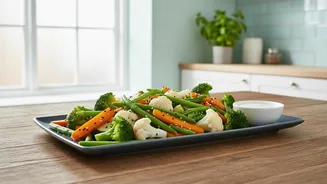
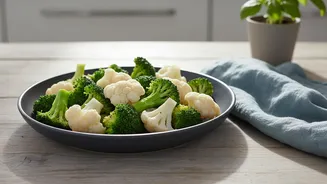
Steaming is widely regarded as one of the best ways to cook cruciferous vegetables while preserving their nutritional integrity. This method cooks the vegetables with hot steam rather than direct contact with water, which minimises the leaching of water-soluble nutrients. Research consistently shows that steaming results in the lowest loss of polyphenols, glucosinolates, and vitamin C compared to other cooking techniques. For example, one study found that steaming was the best method for retaining a wide range of nutrients in broccoli. The key is to steam until the vegetables are tender-crisp, usually for just a few minutes. This keeps them vibrant in colour and texture while holding onto the majority of their valuable compounds.
Microwaving: A Surprisingly Good Option
Microwaving often gets a bad rap, but when it comes to preserving nutrients, it can be an excellent choice, primarily due to the short cooking times and minimal water required. Several studies have found that microwaving is one of the best methods for retaining polyphenols and flavonoids in broccoli, sometimes even appearing to increase their measurable content. This might be because the rapid heating process can help break down plant cell walls, making the compounds more available. The key is to use very little water — just a tablespoon or two is often enough to create steam inside a covered, microwave-safe dish. Like steaming, microwaving for a short duration until the vegetables are just tender is ideal for maximising nutrient retention.
Stir-Frying and Roasting: The Dry Heat Methods
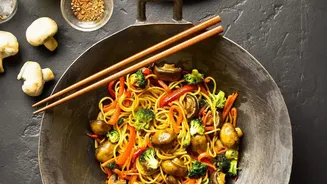
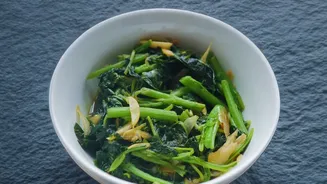
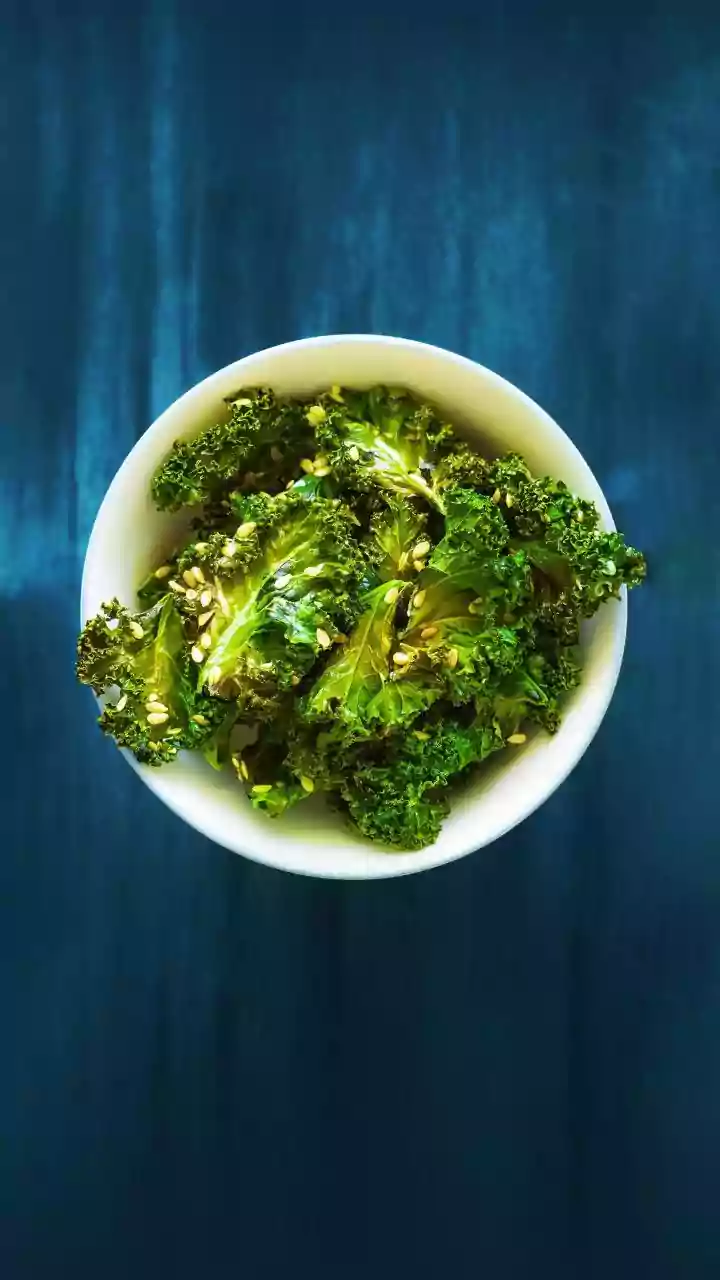
Cooking methods that use dry heat, like stir-frying and roasting, present a mixed picture. Stir-frying, which involves cooking quickly in a small amount of oil over high heat, can be a good option as the short cooking time limits nutrient degradation. Some research suggests stir-frying can even increase the antioxidant activity of certain vegetables like broccoli and cabbage. However, other studies indicate it can lead to significant losses of compounds like vitamin C and glucosinolates, especially if combined with boiling or blanching techniques. Roasting involves longer cooking times at high temperatures. While this can create delicious caramelised flavours, the prolonged exposure to heat can degrade some of the more sensitive polyphenols and vitamins. Ultimately, for these methods, the shorter the cooking time and the lower the temperature, the better.