




The Joy of Chaat, The Burden of Oil
There is a certain magic to Indian street food. The sizzle of a hot tawa, the vibrant colours, and the explosion of spicy, tangy flavours are a core part of our food culture. Yet, many of our beloved snacks come with a health cost. Items like samosas,
kachoris, and even some chaats are often deep-fried, loaded with refined carbohydrates, and high in salt. Vendors may also reuse cooking oil, which can form harmful compounds. But what if you could capture that same satisfaction at home, in a way that aligns with your wellness goals? The solution lies in smart swaps and modern cooking methods that cut down on the bad while keeping all the good.
Swap 1: Air-Fried Paneer Tikka
Paneer tikka is a universal favourite, but the restaurant version is often cooked in a tandoor with generous amounts of oil or butter. By making it at home in an air fryer, you can achieve that same delicious char with a fraction of the fat. An air fryer works by circulating superheated air, which crisps up the outside of the paneer while keeping the inside tender and moist, all with minimal oil. Paneer itself is a powerhouse of nutrition, packed with high-quality protein and calcium. This swap isn't just about cutting calories; it's about elevating a classic dish into a genuinely wholesome meal.
Your Guide to Perfect Air-Fried Tikka
Making restaurant-quality paneer tikka is easier than you think. The secret is in the marinade and the cooking temperature. For the marinade, whisk together thick hung curd, ginger-garlic paste, a touch of mustard oil, and your favourite spices like Kashmiri red chilli powder, turmeric, and garam masala. A key trick for a coating that doesn't slide off is to add a tablespoon of roasted besan (gram flour). Cut 250g of paneer and some bell peppers and onions into cubes, coat them well, and let it marinate for at least 30 minutes. Preheat your air fryer to 200°C. Arrange the paneer and vegetables in a single layer, giving them space so they roast instead of steam. Air fry for 10-12 minutes, flipping halfway, until the edges are beautifully charred. Finish with a squeeze of lemon and a sprinkle of chaat masala for that authentic street-style kick.
Swap 2: Crunchy & Light Makhana Bhel
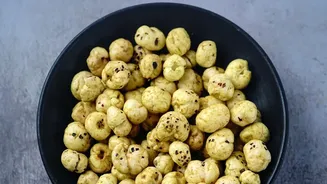
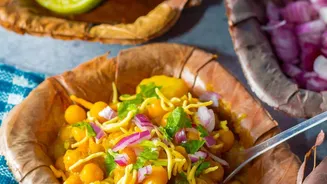
Bhel puri is a light, crunchy, and flavourful snack, but its base is often murmura (puffed rice), which offers little nutritional value beyond carbohydrates. By swapping puffed rice for makhana (fox nuts or lotus seeds), you transform this simple chaat into a nutrient-dense powerhouse. Makhana is low in calories, naturally gluten-free, and an excellent source of protein, fibre, magnesium, and potassium. Unlike puffed rice, makhana has a low glycemic index, which helps in managing blood sugar levels and keeps you feeling full for longer. This simple exchange makes your bhel not just a snack, but a contribution to your daily nutrient intake.
How to Whip Up a Quick Makhana Bhel
This healthy bhel comes together in minutes. Start by dry-roasting two cups of plain makhana in a pan on low heat for about 5-7 minutes until they are crisp and crunchy. Let them cool slightly. In a large bowl, combine the roasted makhana with finely chopped onion, tomato, and fresh coriander. Add boiled potatoes or sprouted moong for extra substance. For the dressing, drizzle some tangy tamarind chutney and a vibrant mint-coriander chutney. Sprinkle generously with chaat masala, a pinch of black salt, and a squeeze of fresh lime juice. Mix everything gently and serve immediately to enjoy the perfect crunch. It’s a guilt-free snack that delivers on both flavour and nutrition.