
A New Frontier for Research
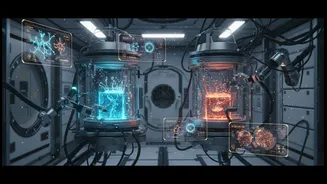
Microgravity is not just about floating; it's a unique environment where the near absence of gravity allows scientists to study phenomena impossible to observe on Earth. This condition reveals underlying physical and biological processes that are normally
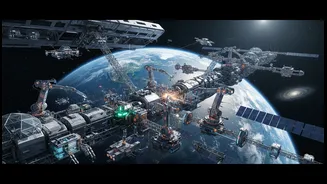
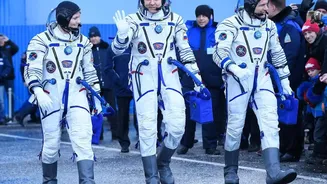
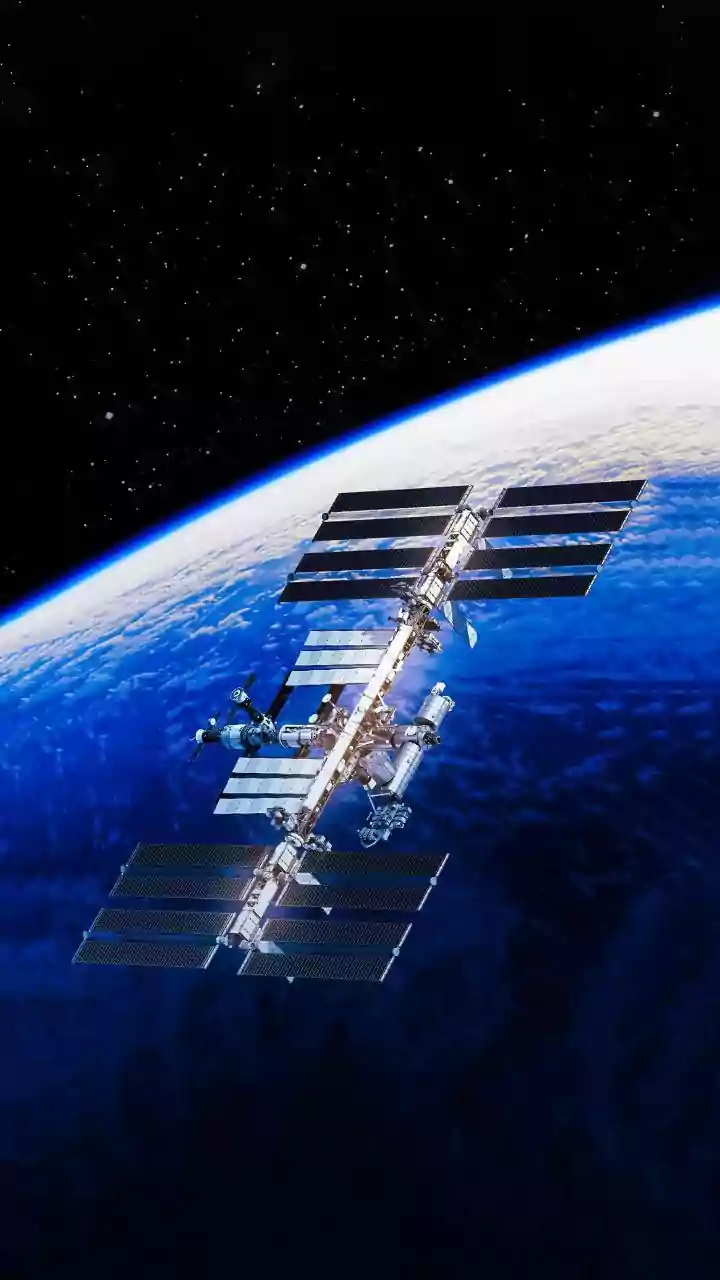
masked by gravitational forces. For decades, this research was the domain of a few highly trained astronauts on missions like the International Space Station (ISS). Now, with the rise of commercial spaceflight, access to microgravity platforms is becoming more common for universities, startups, and private companies. This shift is democratizing space science but also creating an urgent need for new training protocols. The scientists and engineers designing these experiments may never leave Earth, but their work must function flawlessly 250 miles above it.
Safety Above All Else
In a closed environment like a space station or a commercial space habitat, safety is paramount. An experimental failure that might be a minor inconvenience in a terrestrial lab could be catastrophic in orbit. Fire, for example, behaves very differently without gravity; flames can be less visible and harder to suppress, making material flammability a critical area of study. Any experiment must be designed to prevent leaks, electrical shorts, or the release of particulates that could harm the crew or damage sensitive life-support systems. This requires rigorous training not just for the astronauts operating the equipment, but for the ground-based teams who design and build it. They must understand the extreme constraints of the space environment and engineer multiple layers of safeguards into every component.
The Power of Doing More with Less
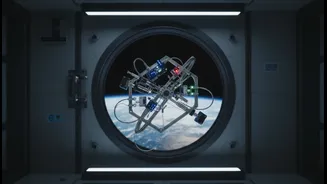
Every kilogram launched into orbit is incredibly expensive. This economic reality is driving a massive trend towards miniaturisation in space technology. Just as computers evolved from room-sized machines to powerful smartphones, space experiments are shrinking from bulky racks to compact, automated cubes. CubeSats and other small satellites have revolutionised Earth observation and communication by allowing dozens of devices to be launched on a single rocket. The same principle applies to microgravity research. Smaller, lighter experiments are cheaper to launch, consume less power, and take up less precious space. This allows for more science to be conducted on each mission. Training in miniaturisation involves learning how to design complex systems within a tiny footprint, a skill that requires expertise in microelectronics, advanced materials, and efficient power management.
Science by Remote Control
As the number of experiments in space grows, astronauts cannot be expected to be experts in every single one. Increasingly, scientific investigations are designed to be operated remotely by the principal investigators on the ground. This has already been proven effective, with scientists guiding astronauts through complex hardware upgrades via live video and even remotely operating robotic surgical drills. This capability is crucial. It allows researchers to monitor their experiments in real time, adjust parameters, and troubleshoot problems without relying on an astronaut's limited time. Training in remote operation involves developing intuitive user interfaces, robust communication protocols to account for time delays, and autonomous systems that can handle routine tasks or safe-mode an experiment if contact is lost. This ensures the science can continue even when the crew is asleep or busy with other critical tasks.