





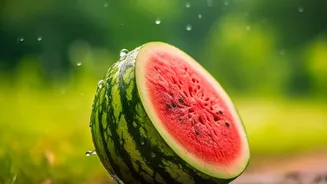
Why the Monsoon is a Risky Season for Food
The rainy season dramatically changes our environment, making it warm, damp, and incredibly humid. While this is great for nature, it's also the perfect condition for harmful microorganisms like bacteria, viruses, and fungi to thrive and multiply rapidly.
During the monsoon, the risk of food and water contamination rises significantly. Heavy rains can lead to waterlogging and may contaminate water sources used for washing produce. The increased moisture in the air means that food spoils faster, increasing the chances of foodborne illnesses such as gastroenteritis, cholera, and typhoid.
The Vulnerability of Cut Fruit
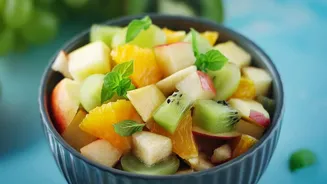
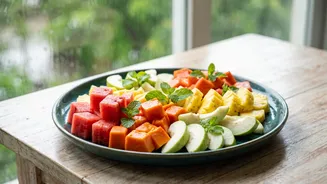
A whole fruit has a natural protective peel that shields its flesh from the outside world. The moment that peel is removed and the fruit is cut, it becomes vulnerable. The exposed, moist surface is an ideal place for bacteria to land and grow, especially in humid weather. When you buy pre-cut fruit from a street vendor, several risk factors come into play. The fruit may have been exposed to dust, flies, and other environmental contaminants. Furthermore, the cleanliness of the knife, the cutting board, the water used for washing, and the hands of the vendor all play a critical role in its safety. Contamination can occur even if the fruit itself is fresh.
Recognising the Dangers
One of the biggest challenges with contaminated food is that it doesn't always look, smell, or taste bad. Bacteria can multiply to dangerous levels long before the fruit shows any visible signs of spoilage. Consuming such fruit can lead to common monsoon ailments like food poisoning, diarrhoea, and stomach infections. Common culprits include bacteria like E. coli and Salmonella, which flourish in these conditions. Symptoms can range from mild discomfort to severe illness requiring medical attention, making it crucial to prioritize food safety.
Safeguarding Yourself at Home
The safest way to enjoy fruit during the monsoon is to prepare it yourself. Start by purchasing whole, unbruised fruits. Before cutting, wash them thoroughly under clean, running water. For fruits with thick skins, you can use a soft brush to scrub the surface. A simple but effective practice is to wash your hands with soap and water for at least 20 seconds before you begin. Use a clean knife and a dedicated chopping board. Most importantly, cut the fruit just before you plan to eat it. Avoid letting cut fruit sit at room temperature for extended periods; if you have leftovers, refrigerate them promptly.
Smart Choices When Eating Out
While it is tempting to pick up a refreshing plate of cut fruit from a roadside vendor, it is generally safer to avoid it during the rainy season. If you must buy fruit outside, opt for those with peels that you can remove yourself, such as bananas or oranges. When choosing a vendor, observe their hygiene practices. Look for stalls that are clean, use covered containers for their food, and have facilities for handwashing. According to FSSAI guidelines, registered vendors should display their license, which can be an indicator of adherence to basic safety standards. However, your best defence is always to choose whole fruits that you can wash and prepare yourself.