






1. The Search for Realness
For Generation Z, authenticity isn't just a buzzword; it's a core value. They've grown up in a digital world saturated with filters and curated perfection, leading to a powerful desire for genuine, unscripted moments. Active travel provides a direct antidote
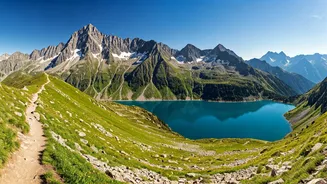
to this. Instead of a guided bus tour viewing landmarks from a distance, they'd rather trek to a remote village in Himachal Pradesh, share a meal with a local family, and learn about their way of life firsthand. Activities like learning a traditional craft, volunteering on an organic farm in Kerala, or participating in a local festival are no longer niche; they are the main event. This hands-on involvement creates memories that feel earned and personal, a stark contrast to the passive consumption of cookie-cutter tourism.
2. Wellness Is the New Luxury
Previous generations saw holidays as a break from routine. Gen Z sees travel as an extension of their wellness-focused lifestyle. The destination is not just a place, but an opportunity for a mental and physical reset. This goes beyond a simple spa day. Think multi-day yoga retreats in Rishikesh, silent meditation courses, or gruelling but rewarding treks through the Western Ghats. The physical challenge of surfing in Kovalam or rock climbing in Hampi is appealing because it pushes limits and fosters mindfulness. The exhaustion after a long day's hike followed by quiet contemplation under the stars is a form of luxury that no five-star hotel can replicate. For this generation, true relaxation comes from active engagement, not passive idleness.
3. Instagram-Worthy, But With a Story
While the stereotype suggests Gen Z travels for the 'gram, the reality is more nuanced. The perfect photo is still a goal, but its meaning has evolved. A picture in front of a famous monument is less compelling than a video of you successfully reaching a mountain summit after a tough climb, or a candid shot of you covered in mud after planting rice seedlings. The value is in the story of achievement and effort behind the image. Active experiences provide a continuous stream of this 'story-worthy' content. The struggle, the learning process, and the final accomplishment are what make the experience shareable. It’s about proving 'I did this,' not just 'I was here.' The social currency comes from the narrative of the adventure itself.
4. Sustainability as a Default Setting
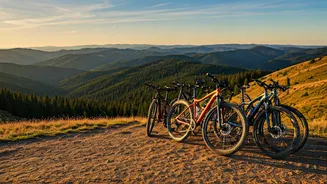
Deeply aware of the climate crisis, many Gen Z travellers are making conscious choices to reduce their environmental impact. Active and experiential travel often aligns perfectly with these values. Trekking, cycling, kayaking, and camping have a much lower carbon footprint than travel styles reliant on frequent flights, large resorts, and heavy infrastructure. This generation is more likely to seek out eco-lodges, support community-based tourism projects, and engage in activities that contribute positively to the local environment, such as beach clean-ups or wildlife conservation efforts. Choosing a farm-stay in Coorg where they can learn about sustainable coffee cultivation is not just an activity; it's a political and ethical statement made through their travel choices.
5. Building Skills and Finding a Tribe
A holiday is no longer just a break; it's a chance for self-improvement. Gen Z uses travel to acquire new skills that add to their personal and even professional profiles. Getting a PADI scuba diving certification in the Andaman Islands, learning the basics of paragliding in Bir Billing, or taking a crash course in a local language are seen as valuable investments. These activities also foster a strong sense of community. Sharing the challenge of a difficult trek or the thrill of a first dive creates powerful bonds with fellow travellers. In a world that can feel isolating, these shared experiences help build a 'tribe' of like-minded individuals, creating connections that often last long after the trip is over.