

A Different Shade of Green
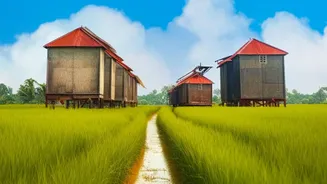
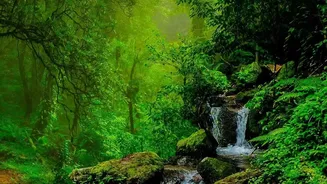
The monsoon, which typically lasts from June to September, transforms Assam into a vibrant paradise. This is not the muted green of a dry landscape, but an intense, almost electric emerald that blankets everything from the rolling hills to the vast plains.
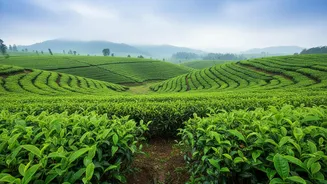
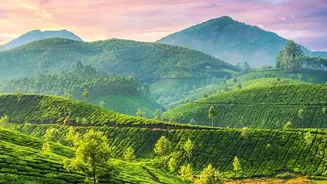
The state's famed tea gardens, particularly around Jorhat and Dibrugarh, become exceptionally beautiful. Rows of tea bushes, washed clean by the rain, glisten under the soft, diffused light, their leaves holding tiny droplets like jewels. The air itself feels different—thick with the petrichor, the earthy scent of rain on dry soil, mixed with the fresh aroma of tea leaves. This sensory overload is what draws photographers who seek to capture the moody, atmospheric beauty of a landscape reborn. The low-hanging clouds and morning mist that cling to the valleys and hillsides create a soft, ethereal light perfect for capturing dramatic and soulful images.
Wildlife Beyond the Usual Safari
While it's true that major national parks like Kaziranga and Manas are largely inaccessible during the peak monsoon due to flooding from the Brahmaputra River, the season offers alternative wildlife experiences. Fringe zones of some parks may remain open, offering a different perspective of the ecosystem. However, the real opportunity lies in exploring other sanctuaries that thrive in the rain. Pobitora Wildlife Sanctuary, known for its dense population of one-horned rhinoceroses, becomes incredibly lush, and spotting these majestic animals against a backdrop of rain-fed greenery is a unique sight. Another fantastic monsoon destination is Dibru-Saikhowa National Park, a biosphere reserve that can be explored by boat. As the rivers swell, boat safaris become the primary way to navigate the park's wetlands, offering chances to see river dolphins, feral horses, and a plethora of resident and migratory birds that flock to the rejuvenated water bodies.
The Photographer's Monsoon Canvas
For photographers, monsoon in Assam is less about conventional sightseeing and more about capturing a feeling. The play of light and shadow, the reflections in the countless puddles and beels (wetlands), and the sheer drama of the cloud-filled skies provide endless inspiration. Deepor Beel, a freshwater lake near Guwahati, becomes a haven for birdwatchers and photographers, its surface reflecting the moody sky. The river island of Majuli, the world's largest, takes on a surreal beauty as the Brahmaputra's waters rise, creating a unique waterscape. Photographers can focus on macro shots of raindrops on leaves, the vibrant colours of blooming orchids, or the daily life of locals as they adapt to the season. The historical monuments of Sivasagar, such as Rang Ghar and Talatal Ghar, look even more profound when washed by the rain, their reflections shimmering in the surrounding moats.
Embracing the Journey
Travelling to Assam during the monsoon requires a shift in mindset. It’s not for those on a tight schedule who want to tick off a list of sights. It’s for the patient traveller who finds beauty in the slower pace of life that the rain commands. One must be prepared for potential travel delays and plan a flexible itinerary. Essential items include waterproof gear, non-slip footwear, and protection for electronic equipment. Choosing to travel with a local guide or operator can help navigate any challenges posed by the weather. The rewards, however, are immense: fewer crowds, often lower travel costs, and the chance to see a world-famous landscape at its most raw and vibrant. It’s an experience that feels more intimate and personal, connecting you directly to the rhythms of nature.