
The Gentle Art of the Curve
The shift is visible everywhere, from the living room to the kitchen. Rigid, straight-backed sofas are being replaced by enveloping, crescent-shaped sectionals that encourage conversation. Rectangular coffee tables with sharp corners are making way for
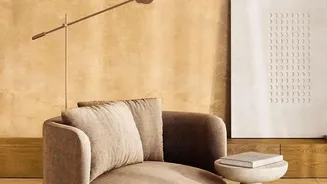
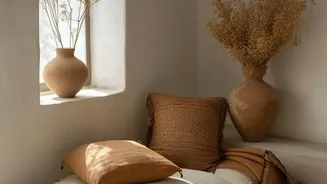
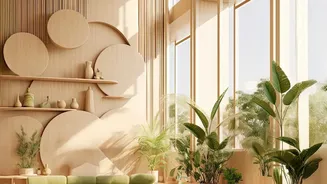
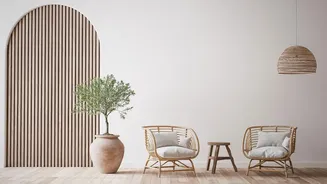
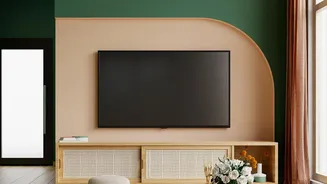
oval and pebble-shaped alternatives that are safer and improve a room's flow. This trend extends beyond standalone pieces to the very architecture of our homes, with a resurgence in arched doorways and rounded wall niches that soften a room’s entire feel. Materials like looped bouclé fabric, rich velvets, and natural woods are often paired with these forms, enhancing their cozy and inviting appeal.
A Search for Comfort and Calm
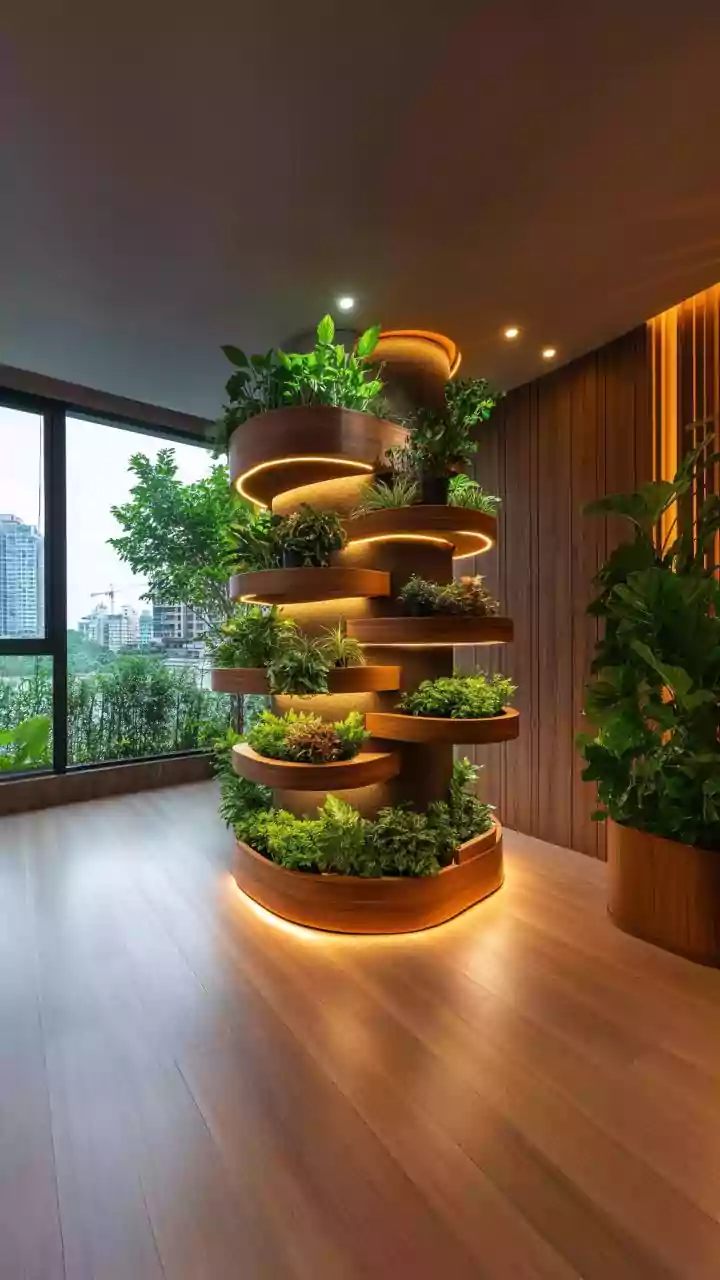
So, why the sudden embrace of softness? The reasons are rooted in psychology and a collective desire for wellbeing. After years of living through a pandemic, the home has transformed into a sanctuary, and comfort has become a top priority over purely aesthetic status signals. Neuroarchitecture studies confirm what we feel instinctively: our brains perceive curved lines as safer and more calming than sharp angles, which can trigger a subtle threat response. This preference for organic shapes is also linked to biophilic design—the practice of connecting our indoor spaces to the natural world. Since nature rarely uses perfect right angles, these flowing forms help create an environment that feels more harmonious and less stressful.
Making Curves Work in Urban Spaces
Incorporating this trend into a compact urban apartment might seem challenging, but it’s surprisingly versatile. The key is balance. Designers often suggest a 70/30 rule: keep about 70% of a room's lines crisp and structural (walls, windows), and dedicate 30% to organic, curved shapes. In smaller spaces, instead of a massive curved sofa, you can introduce the trend with a pair of rounded barrel chairs or a sculptural, arc-based lamp. An oval coffee table is another great choice, as it eliminates sharp corners and works well with both straight and curved sofas. These pieces can make a floor plan feel more expansive by gently guiding the eye through the space, unlike angular furniture that can act as a visual stop.
More Than a Trend, It's a Feeling
While a curved sofa might be the centerpiece of this movement, the philosophy extends throughout the home. We're seeing it in kitchens with rounded islands, in bedrooms with arched headboards, and in decor with circular mirrors and soft-edged rugs. The trend isn't about eliminating straight lines entirely, but rather about balancing them to create interiors that are more human-centric and emotionally resonant. It marks a departure from cold, formal minimalism towards what many are calling 'warm minimalism'—spaces that are uncluttered yet deeply comfortable and personal. Even traditional Indian architectural elements like the 'jhoola' (swing) or carved 'patla' (low stool) often feature soft lines that echo this timeless appreciation for organic forms.