



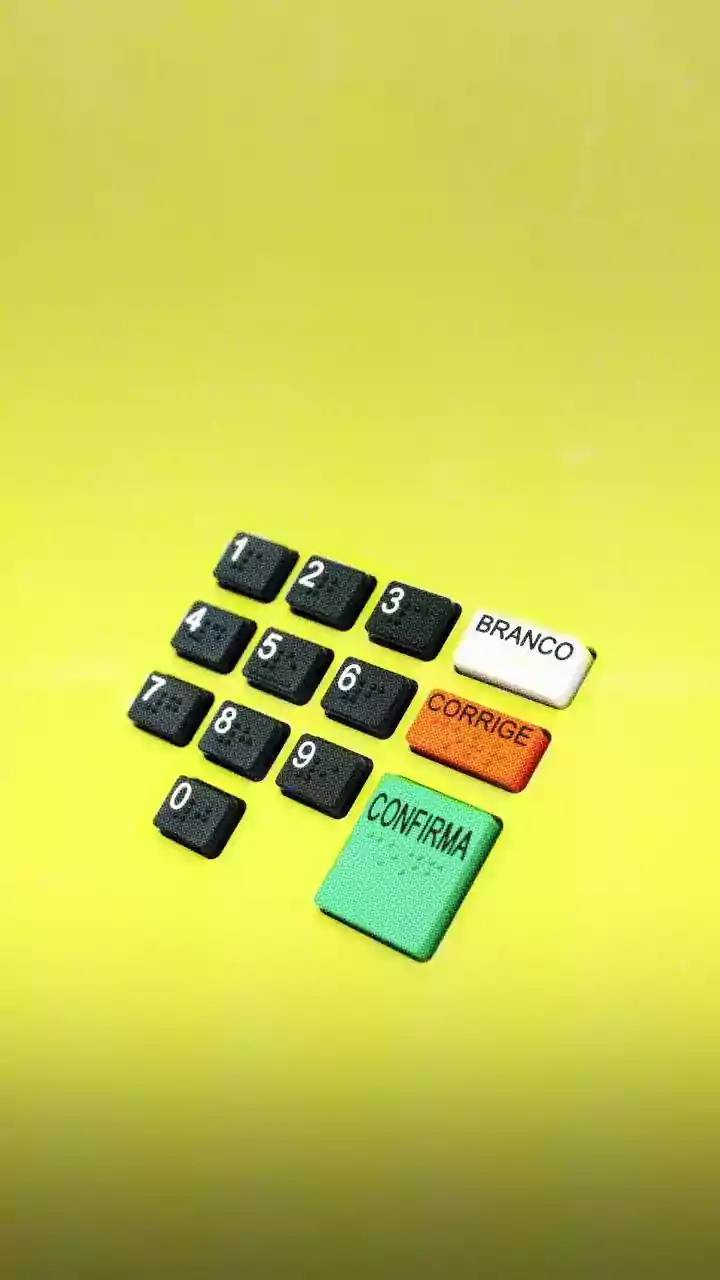


In the charged atmosphere of Brazil's 2026 presidential runoff, a digital phenomenon captured national attention. A WhatsApp channel, dubbed 'Lula's Army', saw explosive growth, raising questions about its role in a deeply polarized election.
Not a Military Channel, But a Digital Force
Contrary
to what its name might suggest, 'Lula's Army' is not an official channel of the Brazilian Armed Forces. It is a massive WhatsApp group created and run by Congressman André Janones to mobilize digital support for President Luiz Inácio Lula da Silva's re-election campaign. The channel employed military-style terminology, assigning 'missions' to its followers, who were called 'soldiers'. These tasks were simple but effective: share campaign videos, amplify pro-Lula hashtags, and recruit new members to the channel. This strategy of 'electoral gamification' turned passive supporters into active online campaigners.
The Context: A Tense and Polarized Election
The 2026 election was a high-stakes rematch of Brazil's deep political divisions. Incumbent President Lula faced Flávio Bolsonaro, a senator and the eldest son of former president Jair Bolsonaro. After a tight first round of voting on October 4, where Bolsonaro surprisingly finished slightly ahead, the stage was set for a tense runoff on October 25. The political climate was extremely polarized, with both candidates facing high rejection rates and the campaign being fought intensely online, a space where disinformation has historically been a major issue in Brazilian politics. Lula's campaign initially struggled in the digital arena, prompting a strategic shift after the first-round results.
Explosive Growth After a First-Round Setback
The growth of 'Lula's Army' was meteoric, particularly between the first and second rounds of voting. The channel reportedly grew from around 60,000 followers to nearly 11 million by the election runoff. This surge happened after Lula's unexpected second-place finish in the first round, which acted as a wake-up call for his campaign. Congressman Janones, who Lula himself would later call 'our general', harnessed this energy to create an unprecedented digital mobilization force. The channel became the central hub for a revitalized campaign effort, designed to counter the right's long-standing dominance on social media platforms like WhatsApp.
A New Playbook for Digital Campaigning
The success of 'Lula's Army' is seen by many analysts as a turning point for digital campaigning in Brazil. For years, rightwing movements had mastered the use of messaging apps to spread their narrative. The Lula campaign, through Janones, adopted and adapted these tactics for the left. The strategy focused on providing supporters with readymade messages, clear instructions, and a sense of collective purpose, effectively neutralizing the opposition's digital advantage. This decentralized but coordinated effort helped Lula's message cut through the noise and mobilize voters, including many who had abstained in the first round. It also served to pressure social media companies like Meta over alleged bias in how their algorithms treated content from the different campaigns.