






Understanding the 'Retreating Monsoon'
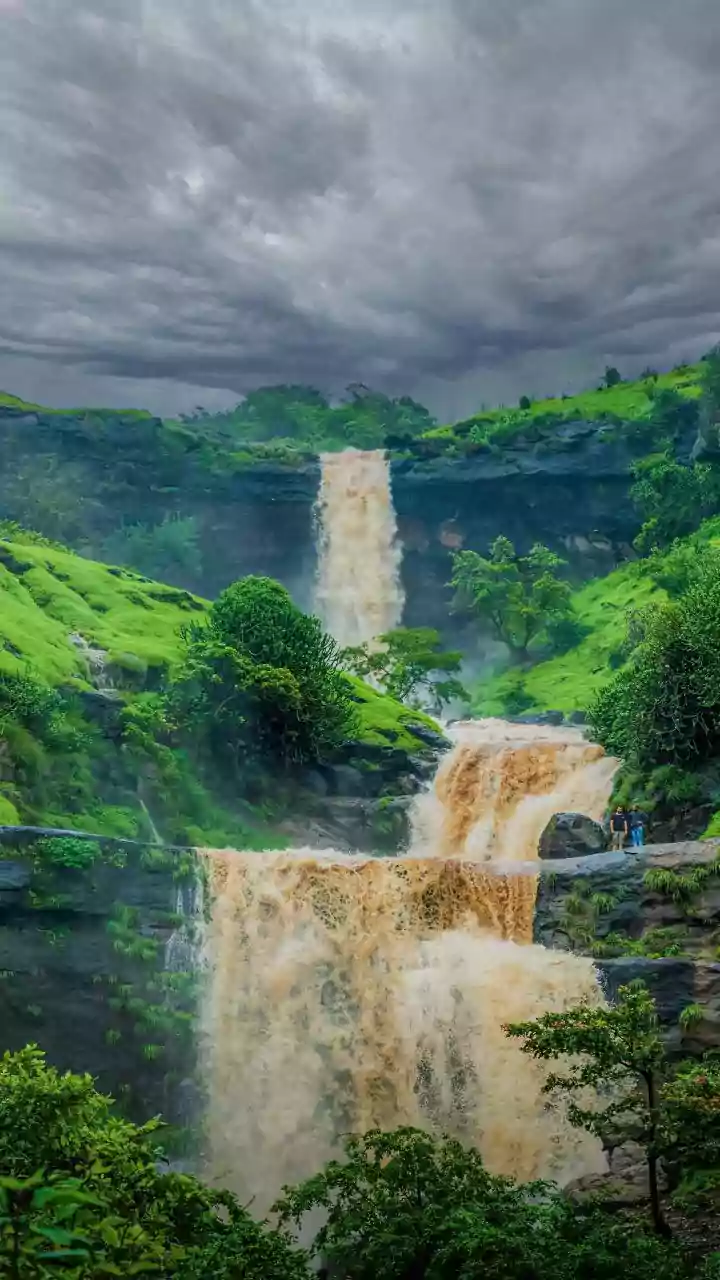
October marks the period of the 'retreating monsoon'. While the heavy, country-wide rains of June to September have subsided, this withdrawal is a gradual process. The southwest monsoon winds pull back from the northern and western parts of the country,
leading to dry and sunny weather there. However, as these winds retreat, a different weather pattern, the northeast monsoon, begins to affect the southern peninsula. This can bring significant rainfall to specific regions, making it a crucial factor for travel planning. This seasonal shift creates a stark weather contrast across the subcontinent.
South India: Caution Advised for Coastal Regions
The primary area of concern for travellers in October is the southeastern coast. States like Tamil Nadu, coastal Andhra Pradesh, and parts of Kerala are gearing up for the northeast monsoon. According to the India Meteorological Department (IMD), the onset of this monsoon is expected around the middle of October, between the 15th and 21st. This period is the main rainy season for Tamil Nadu and can bring heavy downpours. Travellers heading to cities like Chennai or coastal destinations in these states should be prepared for wet weather, potential waterlogging, and the possibility of travel disruptions. The Bay of Bengal can also become active with cyclonic formations during this time.
East and Northeast India: Lingering Showers Possible
While the main monsoon force has weakened, its tail end can still affect parts of eastern and northeastern India. States like West Bengal, Odisha, and the northeastern states such as Arunachal Pradesh and Assam may still experience scattered showers and thunderstorms in early October. Recent forecasts have indicated isolated heavy rainfall in Arunachal Pradesh during the first week of the month. While not as intense as the peak monsoon, these rains can still be a factor, so it's wise to check local forecasts if your itinerary includes these lush, green regions.
North and West India: The Golden Window for Travel
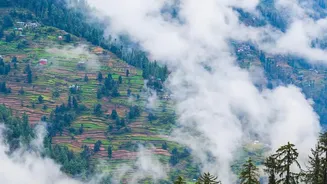
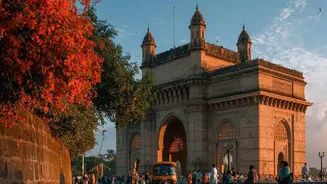
In stark contrast to the south, October is arguably the best time to visit North and West India. The monsoon's withdrawal leaves behind clear blue skies, pleasant daytime temperatures, and a landscape still vibrant and green from the rains. Destinations across Rajasthan, Gujarat, Delhi, Punjab, and the Himalayan states of Himachal Pradesh and Uttarakhand become ideal for tourism. Temperatures in Rajasthan can range from 33°C to 38°C, while Delhi experiences a comfortable range of 19°C to 32°C. This is a perfect window for sightseeing, trekking, and exploring forts and palaces before the winter chill sets in.
Smart Travel Tips for a Mixed-Weather Month
Given the diverse weather map of India in October, a smart approach is key. If travelling to the south or east, pack a raincoat and waterproof footwear, and build flexibility into your schedule to accommodate potential delays. Always check the latest IMD weather bulletins, especially if you are near coastal areas. Conversely, for trips to the north and west, light layers are perfect, as evenings can start to get cool. This is also a shoulder season in many parts of the country, meaning you can enjoy good weather with fewer crowds and more reasonable prices than the peak winter months.