


Start with Your Wood's Undertone
Before you even think about patterns, look closely at your wooden furniture. Every wood has a dominant colour and a subtle undertone. Is your teak table leaning a little orange or red? Does your oak cabinet have a golden, yellowish hue? Identifying this
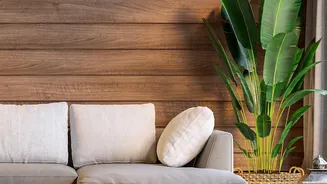
base temperature is your first step. Warm-toned woods like cherry, mahogany, and honey oak naturally create a cosy feeling and are very forgiving. Cooler woods, like ash or certain finishes of maple, offer a more modern, neutral canvas. The key is to either complement these undertones or create a deliberate, pleasing contrast. Sticking to woods with similar undertones (e.g., all warm or all cool) is a safe way to ensure harmony.
Choose Your Batik Palette
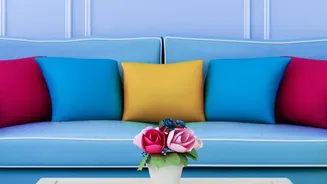
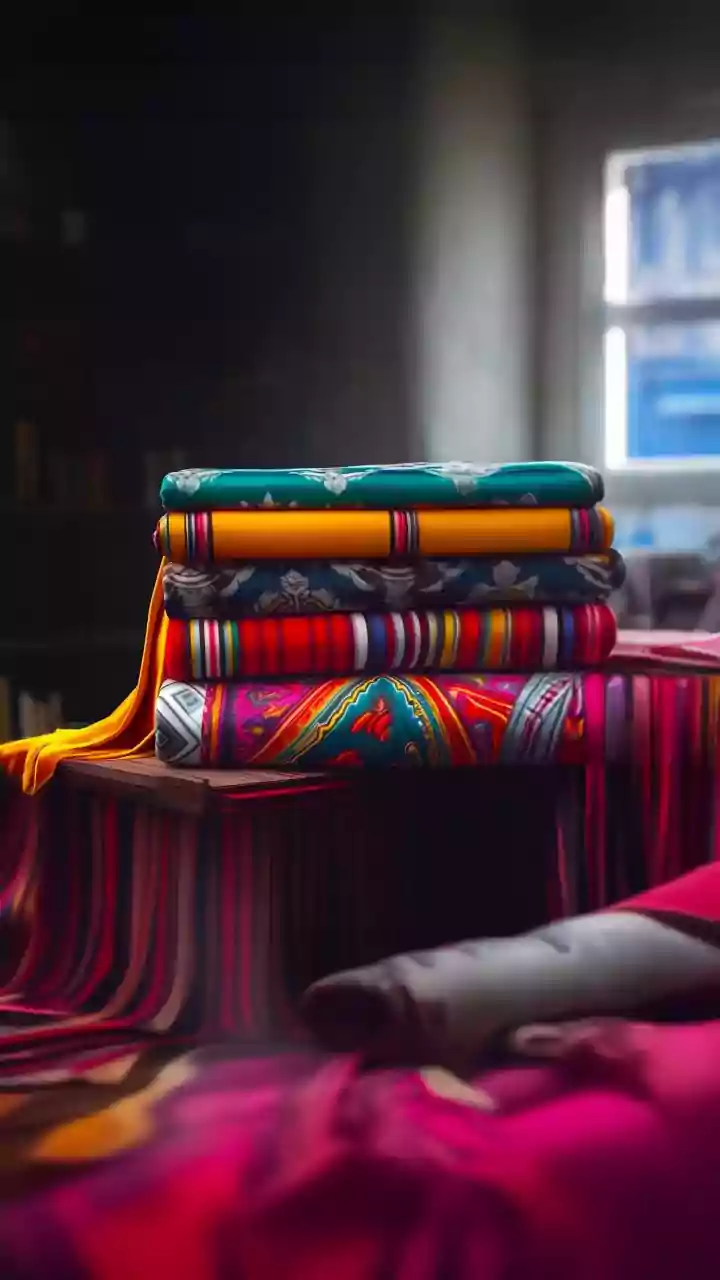
Batik, a traditional Indian and Indonesian art form of wax-resist dyeing, is known for its intricate patterns and rich colours. The beauty of Batik is that each piece tells a story through its motifs, which are often inspired by nature and folklore. When selecting cushions, let your wood’s undertone be your guide. For warm woods, you can either lean into that warmth with cushions in terracotta, rust, mustard, or deep reds, or you can cool them down with contrasting blues and greens. For lighter or cooler-toned woods, a vibrant Batik cushion can add a much-needed pop of colour. You can pull a minor colour from the Batik pattern and repeat it elsewhere in the room—in a vase, a piece of art, or a rug—to create a cohesive look.
Master the Art of Scale
A common mistake when mixing patterns is ignoring scale. If you have a large sofa, don't be afraid to use larger cushions with a bold, large-scale Batik print. For a more delicate armchair, smaller cushions with finer patterns might be more appropriate. A great designer trick is to follow a simple formula: one large-scale pattern, one medium-scale pattern (like a geometric or a simpler floral), and one solid or textured cushion. This creates visual interest without making your furniture look chaotic. The solid cushion gives the eye a place to rest and helps to ground the busier patterns. Varying the shapes of the cushions—mixing square with rectangular—also adds another layer of dimension.
Balance Pattern with Texture
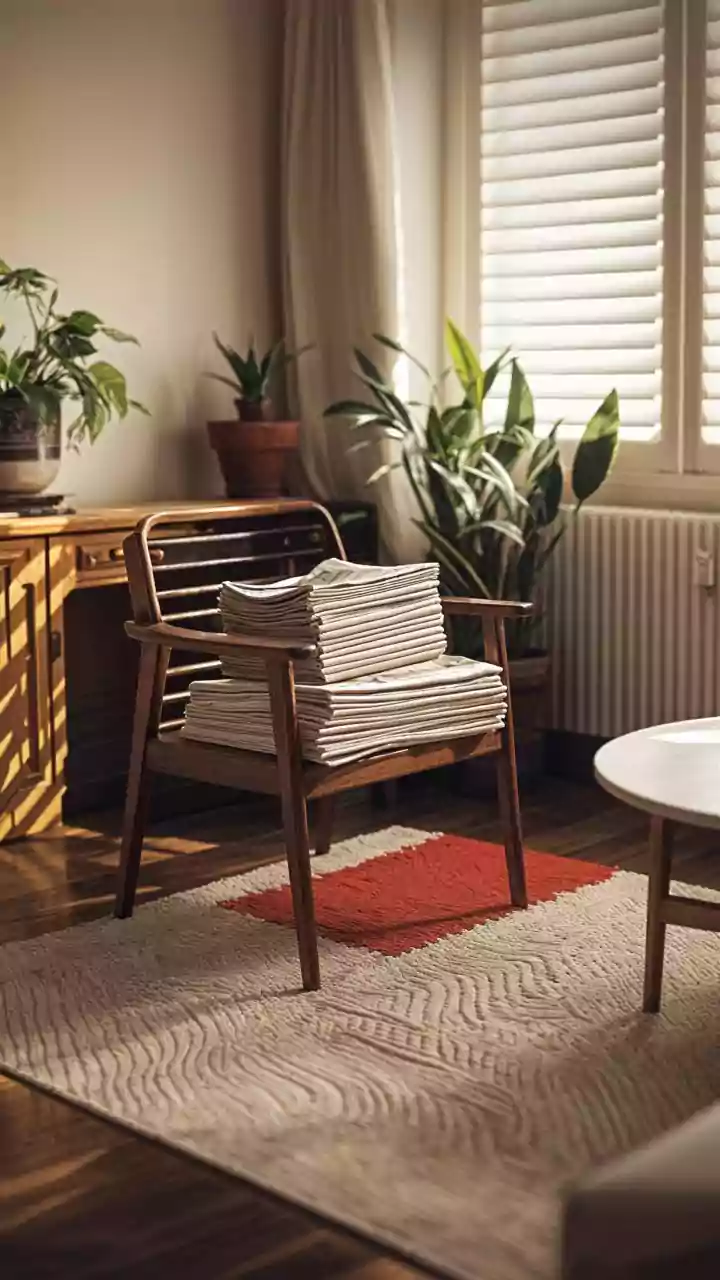
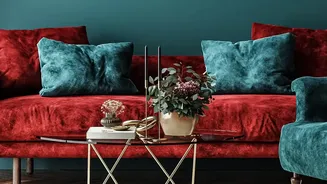
Warmth in a room doesn't just come from colour; it comes from texture. Wood already provides a beautiful natural grain. Batik cushions add the softness of fabric. To enhance this, think about other textures. Could you add a chunky knit throw over the arm of the sofa? Is there a jute or wool rug underfoot? These textural elements complement both the wood and the Batik, making the space feel more layered and inviting. Even the fabric of the cushions themselves can vary. A crisp cotton Batik can be paired with a plush velvet or a rustic linen cushion to create a richer tactile experience. This mix of materials is what elevates a room from simply being decorated to feeling thoughtfully curated.
Create a Cohesive Look
The final step is to tie everything together. Repeating elements is key to making an eclectic mix feel intentional. If your main piece of furniture is a dark wood, consider echoing that with smaller wooden accents around the room, like picture frames or a decorative bowl. Similarly, the colours in your Batik cushions shouldn't exist in a vacuum. Use them as inspiration for your other decor. A splash of indigo from a cushion can be reflected in the curtains, or a hint of turmeric yellow can be picked up by a lamp base. Using neutral elements like off-white walls or a simple cream-coloured sofa can also provide a calm backdrop that allows your wood and Batik pairing to truly shine.