





The Great Shift: Experiences Over Things
There’s a fundamental change happening in the spending habits of young Indians. Where previous generations prioritised saving for physical assets, today's Gen Z and millennial consumers are channelling their discretionary income into creating memories.
This isn't just a feeling; it's a documented economic trend. Recent reports show that a preference for experiences over products is growing, with some projections indicating that spending on recreational and cultural activities will outpace spending on physical goods by 2030. The live events sector has become a primary beneficiary of this shift. According to an EY-Parthenon and BookMyShow report, India's organised live events market surpassed ₹12,000 crore in 2024 and is projected to grow significantly. This surge is fuelled by a young audience eager for world-class entertainment and shared cultural moments.
The 'Why': FOMO, Community, and Social Currency
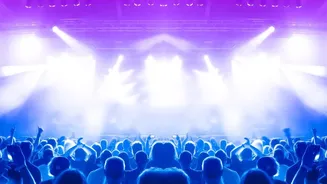
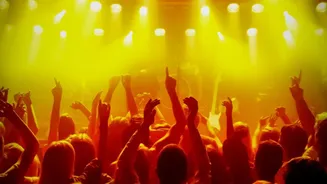
The motivation behind this spending spree is multi-layered. At its core is a powerful desire for connection and community in an increasingly digital world. Live music events offer a rare space for collective joy and shared identity. However, the role of social media cannot be understated. The fear of missing out, or FOMO, is a potent economic engine. When social media feeds are flooded with vibrant images and videos from concerts and festivals, attendance becomes a form of social currency—proof of a life being lived to the fullest. For many, these events are no longer just about the music; they are about being part of a cultural moment, documented and shared online. Some industry observers estimate that a significant portion of attendees are there primarily for the social media fodder.
The Price of Admission: Concerts as an Investment
These experiences don't come cheap. Tickets for major festivals like Lollapalooza India can range from ₹7,000 for general admission to nearly ₹50,000 for VIP packages. Even a single-artist stadium show can command average ticket prices of ₹9,000 or more. But the ticket is just the starting point. The rise of 'concert tourism' means many young people are now travelling across the country, and even internationally, for their favourite artists. One report found that 62% of India's Gen Z plan to travel for concerts in 2026. This adds significant costs for flights, accommodation, and local spending. In fact, a study of Coldplay's concert in Ahmedabad revealed that for every ₹100 spent on a ticket, an additional ₹585 was spent on related travel and hospitality, generating a massive local economic boost. For many, this is a planned financial investment, with dedicated 'fun funds' set aside specifically for such events.
From Mega-Festivals to Niche Gigs
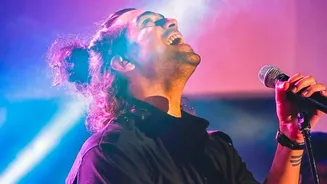
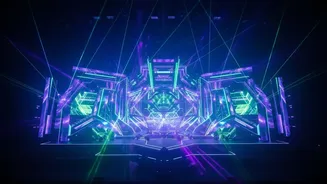
The boom isn't limited to massive, international-scale festivals. While events like Sunburn and NH7 Weekender attract huge crowds, there's also a growing appetite for a wider variety of live music. This includes everything from intimate indie gigs and courtyard music sessions to Sufi nights and genre-specific events. This diversification caters to a fragmented audience with varied tastes, ensuring the live music scene remains vibrant and accessible at different price points. The growth is also moving beyond metros, with Tier-II cities like Lucknow and Bhubaneswar seeing a dramatic increase in festival footfall. This signals a nationwide cultural shift, where the demand for live, communal experiences is becoming a defining characteristic of an entire generation, reshaping not just entertainment, but tourism and local economies in the process.