



The Philosophy: Think in Components
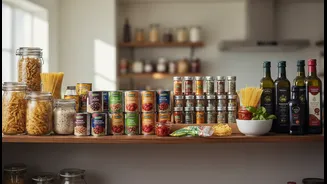
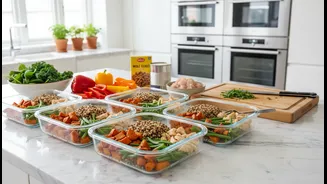
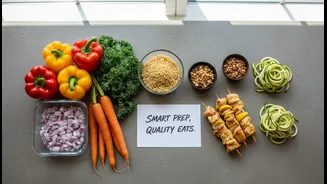
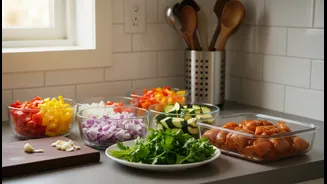
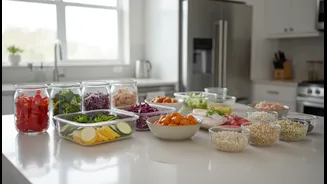
A flexible pantry isn't about having a massive collection of ingredients; it's about having the right ingredients that work together in multiple ways. The secret is to stop thinking in rigid recipes and start thinking in components. A satisfying meal
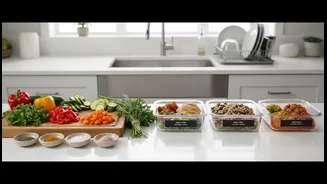
often just needs a base (like grains), a protein, some vegetables, and a flavour-maker (like a sauce or spice blend). By stocking versatile options in each of these categories, you create a system where you can mix and match, turning a handful of staples into a surprising variety of dishes. This approach saves time, reduces food waste, and takes the daily stress out of cooking.
The Foundation: Grains, Flours, and Dals
The base of any great pantry meal is often a carbohydrate that provides energy and substance. Stocking a few key items ensures you always have a starting point. Basmati rice is a non-negotiable in many Indian households, perfect for everything from simple dal-chawal to pulao. Whole wheat flour (atta) for rotis is another essential. Beyond these, consider keeping pasta for a quick Italian-inspired dinner and oats for breakfasts or even as a binder in patties. Lentils and pulses like toor dal (split pigeon peas), moong dal, and chickpeas (chana) are indispensable. They serve as both a base and a protein, forming the heart of countless curries, soups, and salads.
The Power Players: Proteins and Vegetables
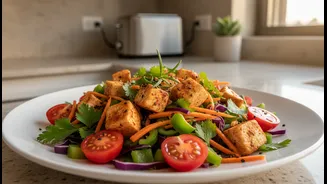
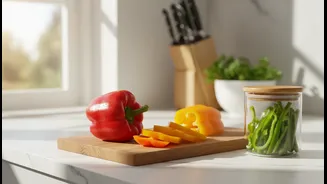
While dals and beans are protein workhorses, a few other items can round out your meals. Canned goods are a modern convenience that saves immense time. Canned chickpeas and kidney beans (rajma) can be transformed into curries or salads in minutes. Eggs are another fantastic, quick-cooking protein to keep on hand. Long-lasting fresh vegetables like onions, potatoes, garlic, and ginger are foundational to most Indian cooking. Keep a supply of these, and supplement with frozen vegetables like peas, corn, and spinach, which are just as nutritious and prevent last-minute trips to the store.
The Flavour-Makers: Spices, Sauces, and Fats
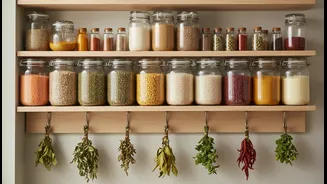
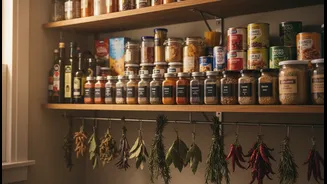
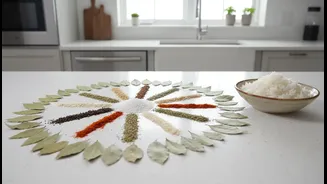
This is where the magic happens. A simple dish of rice and vegetables can become extraordinary with the right seasonings. An Indian pantry is incomplete without a well-stocked masala dabba holding essentials like turmeric (haldi), cumin seeds (jeera), coriander powder (dhania), and red chili powder. Garam masala is a crucial finishing spice blend. Beyond traditional spices, other flavour boosters add immense versatility. A good quality tomato puree or paste provides the umami-rich base for countless curries and pasta sauces. Coconut milk can create creamy, rich gravies. And never underestimate the power of basic fats and acids; ghee, a quality cooking oil, and lemons or vinegar can elevate any dish.
Putting It All Together: Simple Meal Formulas
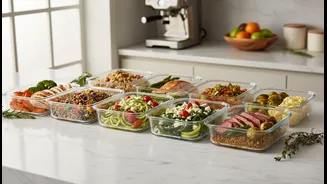
Now, let’s connect the components. Armed with your flexible pantry, you can use simple formulas to build meals without a recipe. Quick Curry: Sauté ginger-garlic paste with onions. Add tomato puree and your choice of spices (like turmeric and chili powder). Stir in a protein (chickpeas, lentils, or paneer) and some vegetables (frozen peas or potatoes). Finish with a splash of coconut milk and a pinch of garam masala. Easy Pulao or Fried Rice: Sauté cumin seeds in ghee or oil. Add chopped onions and mixed frozen vegetables. Stir in leftover rice and season with salt and a pinch of garam masala or soy sauce. Speedy Pasta: While your pasta boils, heat oil and garlic. Add tomato puree and dried herbs. For extra protein, toss in canned beans or some crumbled paneer. Combine with the cooked pasta. Hearty Bowl: Start with a base of rice or quinoa. Top with cooked dal or beans, any leftover cooked vegetables, a dollop of yogurt, and a sprinkle of chaat masala for a quick, balanced meal.