







Why Your Gut Thrives on Variety
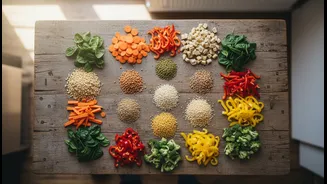
Your gut is home to a bustling community of trillions of microorganisms, known as the gut microbiome. Think of it as a complex internal garden. Just like a garden flourishes with a variety of plants, your microbiome thrives when you feed it diverse foods.
Different plants provide different types of fibre and beneficial compounds called prebiotics. These prebiotics act as food for different species of 'good' gut bacteria. A diet rich in a wide range of plants helps cultivate a more diverse and resilient microbiome. This diversity is linked to numerous health benefits, including better immune function, improved digestion, reduced inflammation, and even enhanced brain health and emotional well-being.
The Science Behind '30 Plants a Week'
The recommendation to eat 30 different plants per week stems from a large-scale research initiative called the American Gut Project. In a 2018 study, researchers analysed the stool samples and dietary habits of over 10,000 people. They found a significant link: participants who ate 30 or more different plant types weekly had a much more diverse gut microbiome compared to those who ate 10 or fewer. The group eating more plants also had more bacteria that produce beneficial compounds like short-chain fatty acids (SCFAs), which are crucial for a strong gut lining and reduced inflammation. Interestingly, the sheer variety of plants consumed was a stronger predictor of gut diversity than whether someone identified as vegan, vegetarian, or omnivore.
What Counts as a 'Plant'?
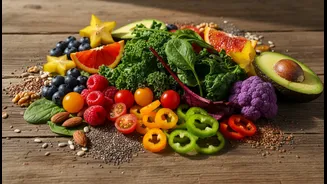
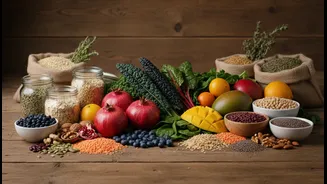
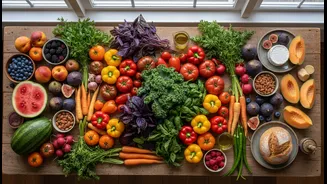
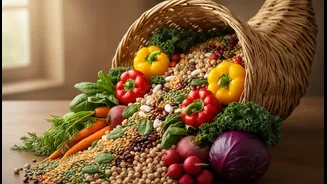
The goal of 30 plants might sound daunting, but it's more achievable than you think because the definition is broad. It’s not just about fruits and vegetables. The count includes a wide array of foods across six main categories: fruits, vegetables, whole grains, legumes (like dals and beans), nuts, and seeds. Even herbs, spices, coffee, and dark chocolate (with over 70% cocoa) contribute to your weekly total. Spices like turmeric, cumin, and coriander are typically counted as a quarter of a point each, so using a spice blend can quickly add up. This expansive definition makes it much easier to incorporate variety into meals you already enjoy.
Making It Work in an Indian Kitchen
A traditional Indian diet is naturally well-suited for plant diversity. Many everyday meals already combine multiple plant sources. Think of a simple thali: roti (whole wheat), a dal (lentils), a sabzi (vegetables), and a side salad. That’s already at least four plant types, before even counting the onions, garlic, ginger, tomatoes, and various spices used in the preparation. To boost your count, try simple swaps and additions. Use a mix of dals instead of just one type for your dal fry. Add a handful of spinach to your poha or upma. Snack on a mix of nuts and seeds instead of processed snacks. When you buy vegetables, pick up one new seasonal item each week to try. Exploring different millets like ragi or jowar instead of just wheat or rice can also significantly increase your plant count.
Start Small, Not Perfect
The number 30 should be seen as a goal, not a rigid, all-or-nothing rule. The key principle is to focus on increasing variety, not achieving perfection from day one. Even small increases can make a positive difference. Start by tracking your intake for a week to see where you currently stand; you might be surprised how many plants you already eat. From there, aim to add just one or two new plant foods the following week. Maybe it's trying kidney beans (rajma) in addition to your usual chickpeas (chole), or sprinkling pumpkin seeds on your morning dahi. By focusing on small, consistent additions rather than a complete dietary overhaul, you can build a sustainable habit that nourishes your gut for the long term.