







From All-Nighters to Early Nights
There’s a quiet revolution happening in the way a generation of overworked professionals think about time off. Instead of seeking the high-energy escapism of a party-centric destination like Las Vegas or Miami, they are increasingly booking trips with
a radically different goal: to do as little as possible. They are trading crowded clubs for quiet cabins and swapping bottomless brunches for morning sunlight. This isn't about being antisocial; it’s a strategic retreat from the sensory overload of modern work life. The goal is no longer just to escape work, but to recover from it on a biological level. The global wellness tourism market, fueled by this need for genuine rest, is already a trillion-dollar industry and projected to climb significantly.
What is a Circadian Reset Stay?
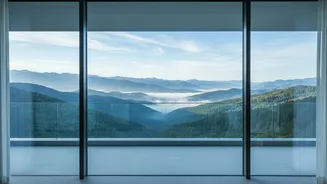
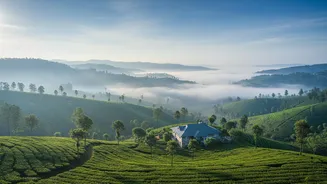
The term “hill station” historically refers to high-altitude towns in Asia used to escape summer heat, but in the modern American context, it has come to mean any nature-based retreat at a higher elevation, like a mountain lodge in the Rockies or a quiet cabin in the Appalachians. The key isn't just the location, but the intention. A “circadian reset” is a vacation designed to recalibrate the body's internal 24-hour clock, which governs sleep, mood, and energy. After months of staring at screens late into the night and being jolted awake by alarms, our natural rhythms are a mess. A reset trip uses nature's powerful cues—namely bright, natural morning light and deep, uninterrupted darkness—to guide the body back to its optimal schedule. The itinerary is simple: wake with the sun, spend time outdoors, and wind down when it gets dark.
The Science of Doing Nothing
The party vacation is built on stimulation; the reset vacation is built on its deliberate absence. For a brain fried by endless notifications and Zoom calls, this intentional lack of activity is a powerful remedy. When you remove the constant demands, the body’s parasympathetic nervous system—the “rest and digest” state—can finally take over. Sleep quality improves, stress hormone levels like cortisol drop, and mental clarity returns. Unlike a party trip, which can leave you needing a vacation from your vacation, a circadian reset aims for a lasting impact. Travelers often return feeling more balanced and energized, with better sleep patterns that persist long after they've returned home. It’s a shift from seeking temporary distraction to investing in long-term recovery.
A Direct Response to Burnout Culture
This trend is a direct antidote to a work culture that has blurred all boundaries. For many, especially Millennials and Gen Z, burnout isn't just a buzzword; it's a chronic condition. Professionals are reporting exhaustion at staggering rates, and it's driving them to view time off not as a luxury but as a necessary medical expense for their mental and physical health. The all-inclusive resort or the packed European tour, while fun, often involves its own set of pressures: schedules, social obligations, and the performance of having a good time. The quiet, nature-focused trip offers something more profound: permission to be unproductive. It directly counters the pressure to be “on” at all times, providing a space where rest itself is the main activity.
Trading Escapism for True Restoration
Ultimately, the choice between a party trip and a reset stay reflects a deeper change in what people value. A vacation built around late nights and alcohol is a form of escapism—a temporary break from reality. A vacation built around sleep, sunlight, and silence is about restoration—a way to come back to reality stronger, calmer, and more capable. It acknowledges that in an age of chronic connectivity and relentless demands, the most valuable commodity isn't another thrill, but a moment of genuine peace. It’s a sign that after years of trying to outrun burnout, many are finally realizing it’s more effective to simply rest through it.