




The Building Blocks of Life
Protein is essential for almost everything your body does, from building muscle and repairing tissue to making enzymes and hormones. But what is protein? Think of it as a long chain made of smaller units called amino acids. There are 20 different amino acids that
can be combined in various ways to create the thousands of unique proteins your body needs. Our bodies can produce 11 of these amino acids on their own, so they are called 'non-essential'. However, there are nine that we cannot synthesise and must get from our food. These are known as the nine essential amino acids: histidine, isoleucine, leucine, lysine, methionine, phenylalanine, threonine, tryptophan, and valine.
Complete vs. Incomplete Proteins
This is where the idea of 'protein quality' comes in. The quality of a protein source is determined by its essential amino acid profile. A 'complete protein' is a food that contains all nine essential amino acids in roughly the right proportions for human needs. Animal-based foods like meat, fish, dairy, and eggs are generally considered complete proteins. On the other hand, 'incomplete proteins' are low in one or more of these essential amino acids. Most plant-based foods, such as grains, legumes, nuts, and seeds, are incomplete on their own. But this doesn't mean they are inferior; it just means we need to be a little smarter about how we eat them.
The Power of Protein Pairing
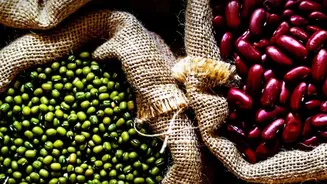
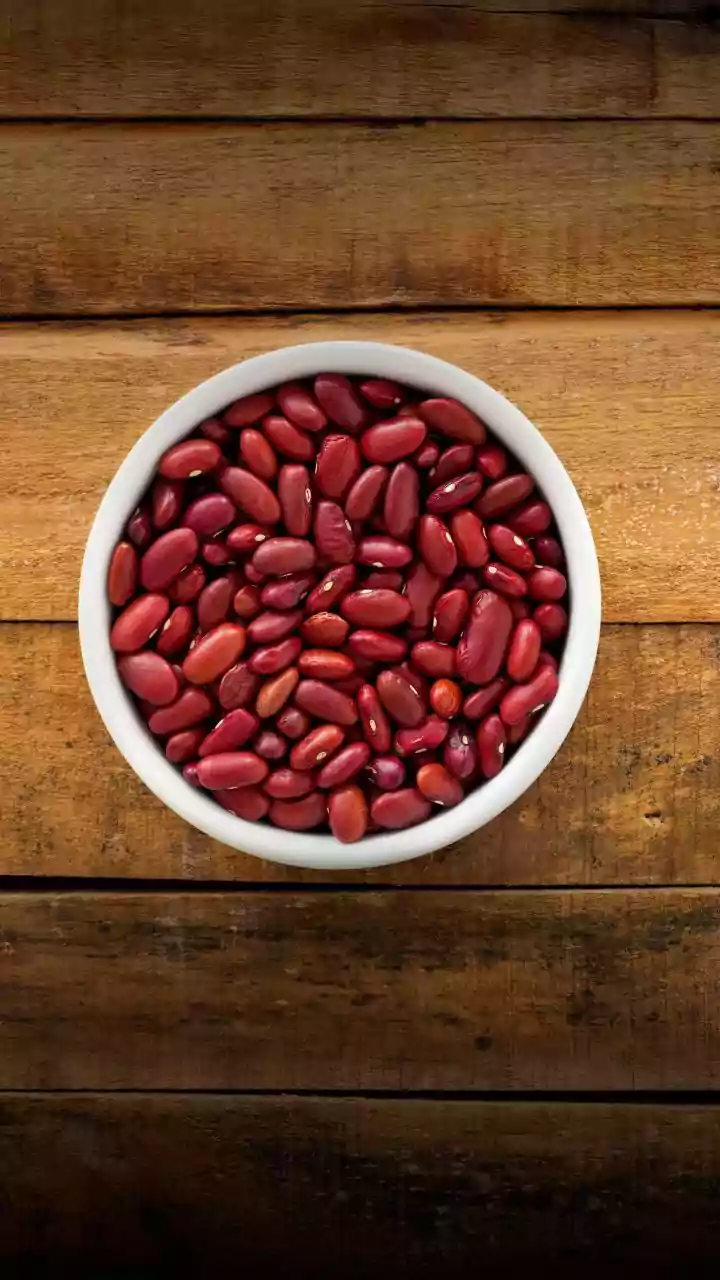
This is where the magic of food combining, or 'protein complementarity', comes into play. Different plant foods have different 'limiting amino acids'—the essential amino acid they are lowest in. For example, cereal grains like rice and wheat are typically low in the amino acid lysine. Legumes, which include dals, beans, and chickpeas, are low in the amino acid methionine but are rich in lysine. When you eat them together, their amino acid profiles complement each other. The lysine from the legumes makes up for what's missing in the grains, and the methionine in the grains completes what's lacking in the legumes. This simple act of pairing turns two incomplete proteins into one high-quality, complete protein meal.
Putting It on Your Plate
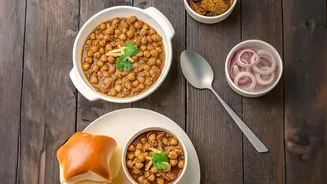
The great news is that many traditional Indian meals have been doing this for centuries. Think about classic comfort foods: dal with rice, rajma with chawal, and roti with chana masala. Each of these dishes is a perfect example of pairing a legume with a cereal grain to create a complete protein. Other classic combinations from around the world include hummus (made from chickpeas) with pita bread (wheat), and even a simple peanut butter (a legume) sandwich on whole-grain bread. You don’t even need to eat them in the exact same meal; consuming a variety of plant foods throughout the day can also help you get the full range of essential amino acids.
How Scientists Score Protein
Scientists have formal methods for grading protein quality. The most well-known is the Protein Digestibility Corrected Amino Acid Score (PDCAAS), which has been the standard for decades. It measures a protein's amino acid content and corrects for how much of it is actually digested, providing a score from 0 to 1.0, with 1.0 being the highest quality. A newer, more precise method is the Digestible Indispensable Amino Acid Score (DIAAS). DIAAS is considered more accurate because it measures amino acid absorption in the small intestine, which better reflects human digestion. While PDCAAS is still widely used for food labelling, DIAAS is gaining recognition as the superior scientific method for evaluating protein.