





Prioritise Paw Care
Your pet’s paws are their first point of contact with damp, muddy, and often contaminated surfaces. Puddles can harbour nasty bacteria and germs that lead to fungal or bacterial infections between their toes. Make it a strict habit to wash your pet’s paws with a gentle
antiseptic solution or lukewarm water after every walk. Most importantly, dry them thoroughly, paying special attention to the area between the paw pads. This simple step can prevent painful infections and keep your pet comfortable.
Guard Against Skin Infections
The constant dampness and high humidity during the monsoon create the perfect breeding ground for skin problems. Your pet’s coat can remain wet for long periods, leading to common issues like acute moist dermatitis (hot spots), fungal infections, and bacterial rashes. Ensure your pet is completely dry after getting wet, whether from rain or a bath. Use a highly absorbent towel and a hairdryer on a low, cool setting if your pet is comfortable with it. Regular grooming and brushing also help by improving air circulation to the skin and removing loose fur that can trap moisture.
Step Up Parasite Patrol
Ticks, fleas, and mosquitoes are not just annoying; they are rampant during the monsoon and carry dangerous diseases. The damp weather allows them to multiply rapidly. Be extra vigilant with your pet’s parasite prevention plan. Consult your veterinarian for the most effective spot-on treatments, collars, or oral medications suitable for your pet's age and breed. After walks, especially in grassy areas, perform a thorough check of their entire body for any ticks that might have latched on. Prompt removal is key to preventing tick-fever and other illnesses.
Focus on Diet and Hydration
Digestive issues like diarrhoea and vomiting are common in pets during the monsoon. This is often caused by drinking contaminated water from puddles or an increase in gut-sensitive bacteria. Always provide fresh, clean, boiled, or filtered water for your pet to drink. Prevent them from drinking from stagnant water sources outdoors. Because activity levels might decrease due to fewer outdoor walks, you might need to slightly adjust their food intake to prevent weight gain. Including fibre-rich foods like pumpkin puree can also help maintain good digestive health.
Manage Thunderstorm Anxiety
Loud thunder and lightning can be terrifying for many pets, causing them to hide, bark excessively, or show signs of distress. Create a safe, cosy den for them in a quiet part of the house where they can retreat. This could be a crate covered with a blanket or a small room with their favourite bed. Playing calming music or white noise can help muffle the sound of the storm. Stay calm yourself, as pets often pick up on their owner’s anxiety. You can also try distraction with a favourite toy or a long-lasting treat.
Keep Them Engaged Indoors
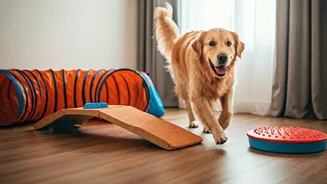
Rainy days often mean shorter walks and less time spent playing outside, which can lead to boredom and destructive behaviour. It’s crucial to keep your pet mentally and physically stimulated indoors. Invest in puzzle toys, play a game of fetch in a long hallway, or practice some training commands. Hiding treats around the house for them to find is another great way to engage their senses. A mentally stimulated pet is a happy pet, even when they’re stuck inside.