



The Recent Deluge: A Quick Recap
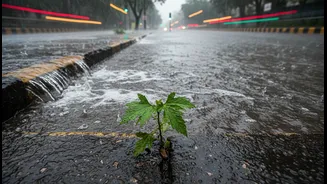
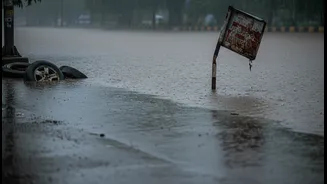
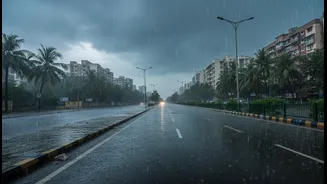
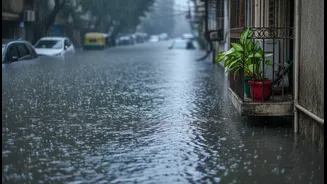
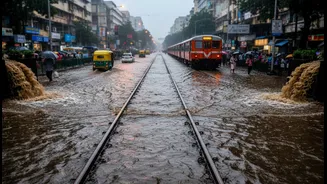
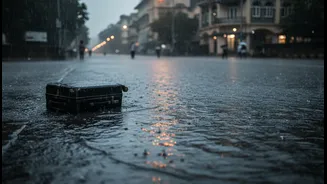
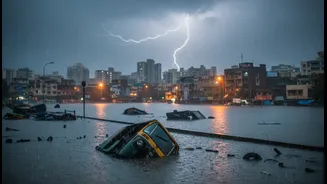
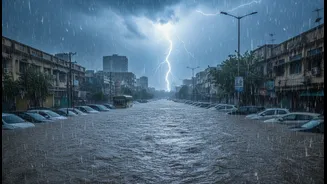
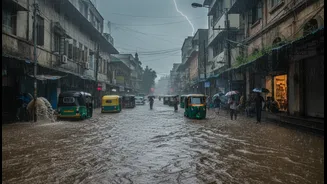
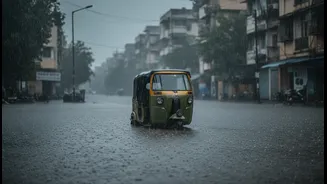
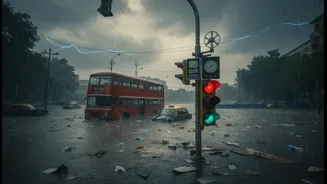
The first week of July 2026 saw Mumbai grappling with exceptionally heavy rainfall, pushing civic infrastructure and transport services to their brink. Intense downpours led to severe waterlogging in low-lying areas like Andheri, Vasai, Virar, and Bandra.
Local train services, the city's lifeline, were significantly affected. Western Railway services ran with delays of 25-30 minutes due to water on the tracks, particularly in the Vasai-Virar section, with some services being suspended or running on a skeletal basis during the peak downpour. The Central Railway also experienced delays. The Brihanmumbai Municipal Corporation (BMC) and the IMD issued red and orange alerts, urging citizens to avoid non-essential travel and closing schools as a precautionary measure.
Why It Keeps Happening: More Than Just Rain
While monsoon is an annual affair, the nature of the rainfall is changing. Recent data shows that Mumbai is experiencing more intense, concentrated bursts of rain rather than sustained, moderate showers. In the first week of July, some parts of the city received over 60% of their entire seasonal average rainfall. This pattern, which experts link to a warming climate, overwhelms even upgraded systems. The city's rapid and often unplanned urbanisation is a major contributing factor. The gradual replacement of wetlands, mangroves, and open grounds with concrete surfaces means rainwater that once seeped into the ground now has nowhere to go but into the streets and drainage systems, which were designed for a different era. This combination of extreme weather and reduced natural drainage capacity creates a perfect storm for the widespread flooding Mumbaikars witness each year.
The Official Response: What's Being Done
In response to the recent chaos, civic bodies have been on high alert. The BMC deployed thousands of personnel to manage waterlogging, clear fallen trees, and handle emergencies. High-capacity dewatering pumps were activated in flood-prone zones, and the disaster management department has been monitoring the situation around the clock. Authorities like Western Railway have had teams working continuously to restore services affected by inundated tracks. The administration has also relied on a system of public alerts, using IMD forecasts to issue warnings and advisories, such as closing schools and advising against travel, to ensure citizen safety. Citizens are urged to contact the BMC helpline at 1916 for any emergencies.
Your Monsoon Survival Toolkit
Navigating the monsoon in Mumbai requires staying informed and prepared. For real-time transport updates, the M-Indicator app remains an essential tool for local train, bus, and metro schedules. For train-specific information, the National Train Enquiry System (NTES) provides live tracking. During heavy spells, it's crucial to follow official updates from the BMC (@mybmc) and the Mumbai Police (@MumbaiPolice) on social media for reliable information on waterlogging and traffic diversions. Several community-driven WhatsApp and Telegram groups also provide hyper-local updates on specific neighbourhoods. Prepare a basic emergency kit with a power bank, first-aid supplies, and dry snacks. Most importantly, avoid venturing into waterlogged areas on foot, as open manholes and submerged debris pose serious risks.
Community and Resilience
While the 'spirit of Mumbai' is often romanticised, the monsoon truly highlights the city's community-level resilience. In times of crisis, citizens consistently step up. During recent disruptions, stories emerged of residents offering shelter to those stranded, volunteers helping commuters navigate flooded streets, and local groups disseminating vital information faster than official channels. This network of informal support is the city’s unofficial safety net. Engaging with your local residents' association or neighbourhood watch group can be one of the most effective ways to stay safe and help others. These hyper-local networks are invaluable for sharing warnings about specific waterlogged lanes, power outages, or other immediate dangers that city-wide alerts might miss.