




The New Science of 'Exercise Snacking'
Scientists have a name for this phenomenon: Vigorous Intermittent Lifestyle Physical Activity, or VILPA. Think of it as 'exercise snacking' — short, powerful movements lasting just one to two minutes, woven into your everyday life. This isn't about setting
aside a 30-minute block for a workout. Instead, it’s about harnessing the intensity of tasks you’re already doing, like running to catch a bus, carrying heavy shopping bags up the stairs, or even playing energetically with your children. Studies have shown that these brief spurts of effort, when they make you huff and puff, can offer remarkable health benefits comparable to structured high-intensity interval training (HIIT).
How Short Bursts Benefit Your Heart
It might seem too good to be true, but the science is compelling. Research published in prestigious journals like Nature Medicine found that accumulating just a few minutes of VILPA per day is linked to a major reduction in health risks. One landmark study followed over 25,000 adults who didn't formally exercise. It found that those who managed just three to four one-minute bursts of vigorous activity daily had up to a 49% lower risk of death from cardiovascular disease. These intense, short efforts rapidly elevate your heart rate, which, when repeated over time, can help lower blood pressure, improve overall cardiorespiratory fitness, and make your heart more efficient.
From Household Chore to Heart-Healthy Hero
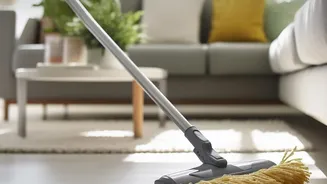
The key is to transform mundane tasks into powerful micro-workouts by increasing your intensity. Not all chores are created equal; dusting furniture is light work, but other tasks have serious potential. Activities that count as vigorous include scrubbing floors with force, rapidly mopping, carrying heavy laundry baskets upstairs, or energetic gardening like digging or turning compost. Even vacuuming can become a moderate-to-vigorous activity if you do it briskly, moving intentionally and engaging your core muscles. The goal is to perform the activity with enough gusto that you feel your heart rate climb and breathing become more difficult.
What Does 'Vigorous' Actually Feel Like?
The simplest way to know if you’re in the vigorous zone is the 'talk test'. If you can comfortably hold a full conversation or sing a song, your activity is likely light to moderate. If you’re breathing hard and fast and can only speak a few words at a time, you’ve hit the vigorous mark. This level of exertion is where the most significant cardiovascular benefits are triggered. It's about pushing past your comfort zone for a very short period. You don't need a heart rate monitor; simply paying attention to your body and your breath is enough to gauge the intensity and ensure your efforts are paying off.
Making It a Habit: More is Better
While studies show dramatic benefits from as little as three or four minutes of VILPA spread throughout the day, the research also suggests that the more you do, the better. Analysis has shown that increasing daily VILPA bouts up to around 11 per day was associated with a 65% reduction in cardiovascular death risk compared to doing none at all. The beauty of this approach is its flexibility. Look for opportunities in your daily routine. Could you take the stairs two at a time? Can you turn up the music and tackle the vacuuming with more speed? Or carry all the grocery bags in one trip? By reframing these moments as opportunities for health, you can integrate fitness seamlessly into even the busiest of schedules.