






What Exactly Are Ultra-Processed Foods?
For years, nutrition advice focused on nutrients: cutting down on sugar, salt, and fat. The concept of UPFs, first introduced by Brazilian researcher Carlos Monteiro, changes the focus from what is in your food to what has been done to it. The most widely
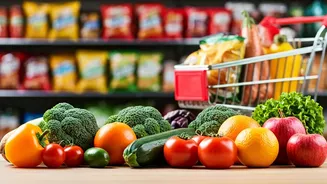
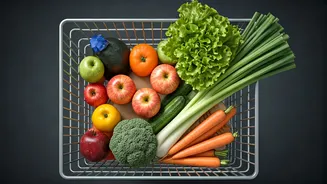
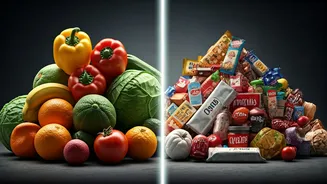
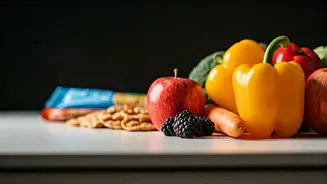
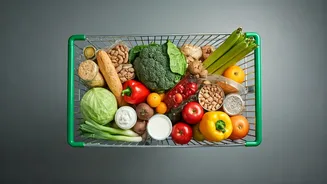
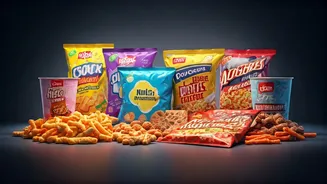
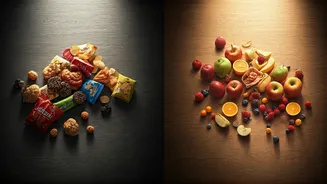
used system is the NOVA classification, which divides foods into four groups based on their level of processing. Group 1 is unprocessed or minimally processed foods like fruits, vegetables, dal, and rice. Group 4, the ultra-processed category, includes industrial formulations made from substances extracted from foods. Think packaged snacks, sugary drinks, instant noodles, and ready-to-eat meals. These products often contain long lists of ingredients you wouldn't find in a home kitchen, such as emulsifiers, artificial flavours, and preservatives, designed to be hyper-palatable and have a long shelf life.
Why is Everyone Talking About Them Now?
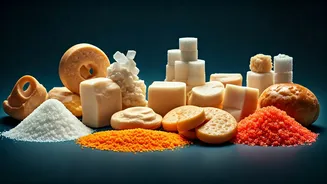
The conversation is shifting because a growing body of research is linking high consumption of UPFs to a range of negative health outcomes. Major studies have found strong associations between diets high in UPFs and increased risks of obesity, type 2 diabetes, heart disease, certain cancers, and even mental health disorders. One key finding that has grabbed attention is that the risks may go beyond just poor nutritional content. Some research suggests the industrial processing itself—how it alters the food's structure, the additives used, and even chemicals from packaging—could play an independent role in health problems. This idea suggests that two foods with identical nutrition labels could have very different effects on your body depending on how they were made.
The Health Risks Involved
The evidence against a diet heavy in UPFs is compelling. A large umbrella review of studies involving nearly 10 million people confirmed links between high UPF intake and dozens of adverse health outcomes. Specifically, studies show a higher intake of UPFs is associated with weight gain, as these foods are often designed to make you eat more. One controlled trial found participants ate about 500 extra calories per day and gained weight when on a UPF-heavy diet compared to a minimally processed one. The risks are significant: consistent consumption is linked to a higher chance of developing cardiovascular disease, type 2 diabetes, and all-cause mortality. More recent studies are even exploring connections to cognitive decline and dementia. These foods can displace more nutritious whole foods from the diet and may disrupt gut health and trigger inflammation.
Spotting UPFs in the Indian Market
Identifying UPFs can be tricky, but a good rule of thumb is to read the ingredient list. If it's long, contains several words you don’t recognise, or includes industrial substances like high-fructose corn syrup, hydrogenated oils, protein isolates, or various additives (emulsifiers, thickeners, artificial colours), it's likely a UPF. In India, the consumption of UPFs is rising fast. Common examples include packaged snacks like chips and namkeens, sweet biscuits and cookies, instant noodles, sugary breakfast cereals, and sweetened bottled juices and drinks. Even some mass-produced breads, buns, and seemingly healthy items like flavoured yogurts or protein bars often fall into the UPF category due to their industrial formulations. The key is to look for ingredients not typically used in home cooking.
A New Way to Think About Eating
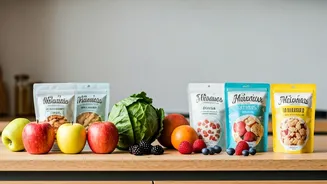
The rise of the UPF concept isn't about creating another restrictive diet or labelling foods as 'good' or 'bad'. Instead, it offers a new, powerful lens for making food choices. The goal isn't to eliminate all processed foods — after all, canning vegetables or making cheese is a form of processing. The focus is on reducing the ultra-processed items in your diet. Start by making simple swaps. Instead of a packet of instant noodles, try a quick-cooking vermicelli or poha with fresh vegetables. Instead of packaged fruit juice, eat a whole fruit. Opt for roasted chana or nuts over a bag of chips. By prioritising whole and minimally processed foods, you naturally reduce your intake of the additives, unhealthy fats, and sugars that are hallmarks of UPFs. It's about progress, not perfection, and building a diet based on real food.