




Why Your Safari Gets Rained Out
Most of India's premier national parks, including major zones in Corbett, Ranthambore, and Kanha, close down for tourists during the monsoon, typically from June or July until September or October. This annual closure isn't arbitrary. It serves several
crucial purposes. Firstly, it’s a matter of safety; heavy rains can make jungle tracks slippery, treacherous, and prone to flooding or landslides. Secondly, it allows the forest ecosystem to rejuvenate without human interference. Most importantly, the monsoon is the breeding and nesting season for many species, and closing the parks provides them with a peaceful, disturbance-free environment to raise their young.
The Hill Station Haven: Munnar, Kerala
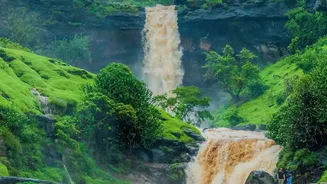
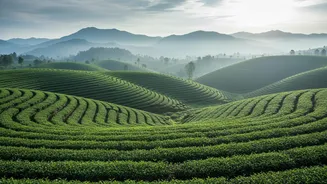
If you crave lush landscapes, trade the jungle for the hills. Munnar in Kerala transforms into an emerald paradise during the monsoon. The rain washes the tea plantations, leaving them a vibrant, almost-neon green, while mist hangs dreamily over the rolling hills. Waterfalls like Attukad and Lakkam, which are modest streams in other seasons, become powerful, roaring cascades. This season also sees fewer tourists, meaning you can enjoy popular spots like Echo Point and Mattupetty Dam with a sense of tranquility. It's also the perfect time to indulge in traditional Ayurvedic treatments, which are considered most effective during the moist, cool monsoon weather.
The Romantic Retreat: Udaipur, Rajasthan
Rajasthan might seem like an odd choice for a monsoon trip, but Udaipur, the 'City of Lakes', is a stunning exception. The rains breathe new life into the city, filling its iconic lakes like Pichola and Fateh Sagar to the brim. The parched Aravalli Hills that surround Udaipur turn a surprising, verdant green. The majestic marble facades of the City Palace and Jag Mandir have a special gleam against the backdrop of dark, dramatic monsoon clouds. A boat ride on the replenished lakes during a light drizzle is an incredibly romantic experience. With fewer crowds than in the peak winter season, you can explore the city’s grand palaces and winding old streets at a leisurely pace.
The Coffee Capital: Coorg, Karnataka
Known as the 'Scotland of India', Coorg (Kodagu) is another Western Ghats jewel that shines during the rains. The region is famous for its sprawling coffee and spice plantations, which are at their most fragrant and beautiful during this time. A walk through a rain-drenched coffee estate is a sensory delight. The monsoon feeds spectacular waterfalls like Abbey and Iruppu Falls, making them major attractions. For the adventurous, the Barapole River offers thrilling white-water rafting opportunities. Coorg provides a perfect blend of serene nature, adventure, and the unique culture of the local Kodava people.
The Western Ghats Classic: Lonavala, Maharashtra
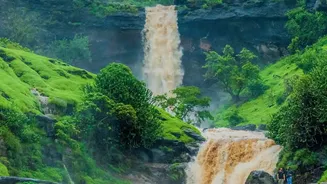
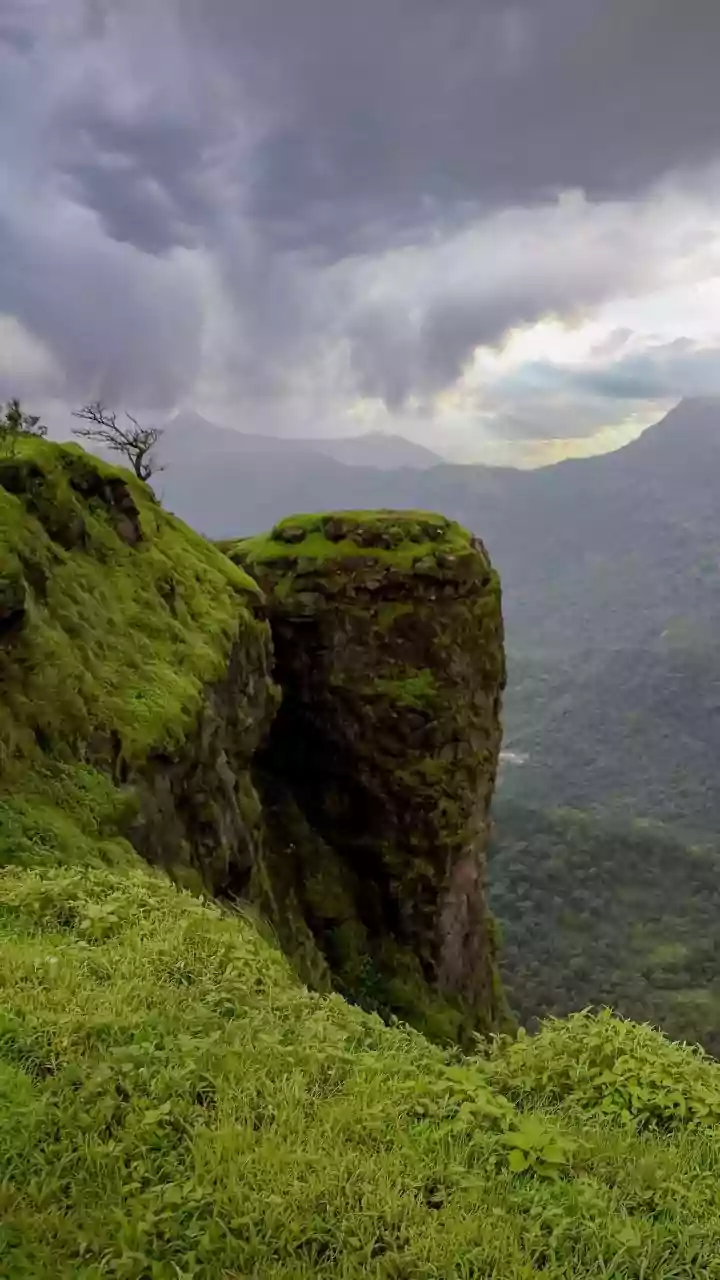
For those in Western India, Lonavala is a classic and accessible monsoon escape. Just a short drive from Mumbai and Pune, this hill station comes alive with overflowing dams, misty viewpoints, and countless small waterfalls cascading down the hillsides. Viewpoints like Tiger's Leap and Lion's Point offer dramatic vistas of the fog-covered valleys below. The overflowing Bhushi Dam becomes a popular spot for visitors to enjoy the gushing water. It’s the ideal place to savour quintessential monsoon snacks like roasted corn on the cob (bhutta) and a cup of hot masala chai while taking in the cool, rain-washed scenery.