








Deconstructing 'Behavioral Fatigue'
First, let's decode the headline. ‘Behavioral fatigue’ isn't a clinical diagnosis you'll hear from your vet. Instead, think of it as a combination of stress, boredom, and lethargy that many dogs experience. This can be especially true in India's hot summer
months, when long walks are cut short and dogs spend more time indoors. A dog without enough physical and mental stimulation can become anxious, destructive, or simply 'switch off'. They might pace, bark excessively, or show a general lack of interest. The core issue is an unmet need for engagement and a way to cope with environmental stressors like heat.
Why Watermelon Works Wonders
Enter the humble watermelon. This summer fruit is more than 90% water, making it an excellent and delicious way to help keep your dog hydrated on a scorching day. Unlike many human foods, watermelon is low in calories and fat, so you don't have to worry about adding extra kilos to your pet. It's also packed with vitamins A, B6, and C, as well as potassium. Freezing it turns a simple, healthy snack into a long-lasting activity, providing both cooling relief and a welcome distraction from summer boredom. The act of licking a frozen treat is inherently soothing for dogs, helping to reduce anxiety.
Safety First: The Rules of Watermelon
Before you rush to the kitchen, it's crucial to know how to serve watermelon safely. While the pink flesh is a wonderful treat, other parts of the fruit can be harmful. Always remove all seeds. Watermelon seeds can cause an intestinal blockage, which is a serious medical emergency. The rind, or the green skin, is also a no-go. It's difficult for dogs to digest and can lead to gastrointestinal upset. Finally, moderation is key. Like any treat, too much watermelon can cause an upset stomach or diarrhoea due to its high fibre and sugar content. Think of it as a special snack, not a meal replacement. If your dog has any underlying health conditions like diabetes, it's always best to consult your vet before introducing new foods.
Enrichment in a Cube
The magic of this treat isn’t just in the ingredients; it’s in the experience. The process of licking and gnawing at a frozen block of puree is a form of canine enrichment. It provides vital mental stimulation, preventing boredom and giving your dog a 'job' to do. This simple activity can lower a dog's heart rate and promote the release of calming hormones. For dogs who get anxious when left alone, a frozen treat can be a fantastic way to create a positive association with your departure. It keeps their mind occupied and focused on a rewarding task, channelling their energy into something productive instead of destructive.
Easy DIY Frozen Watermelon Pupsicles
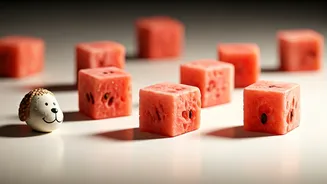
Making these treats couldn't be simpler. You don't need any fancy equipment, just a blender and an ice cube tray. 1. Prep the Fruit: Take a few cups of fresh watermelon and carefully remove all the seeds and the rind. Cut the pink flesh into chunks. 2. Blend It: Place the watermelon chunks into a blender and puree until you have a smooth, liquid consistency. Do not add any sugar or other sweeteners. 3. Pour and Freeze: Pour the watermelon puree into a silicone ice cube tray or a specialised dog toy like a Kong. Silicone trays are great as they make it easy to pop the frozen treats out. 4. Freeze Solid: Place the tray in the freezer for at least four hours, or until the puree is completely solid. That's it! You can store the frozen 'pupsicles' in an airtight container in the freezer for a quick and easy treat on any hot day.