



The Real Dangers Aren't Just the Rain
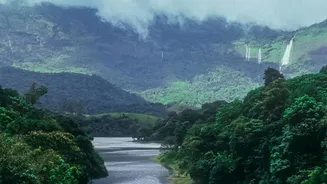
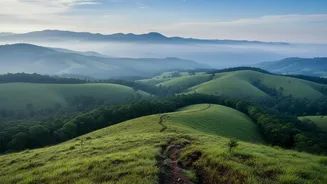
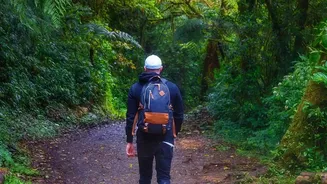
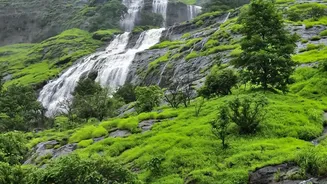
The magic of a monsoon trek is undeniable, with vibrant green landscapes and waterfalls at every turn. However, the primary dangers are not the downpour itself but the conditions it creates. The three biggest risks are flash floods in narrow gullies,
extremely slippery rock surfaces, and swollen stream crossings that can become impassable. Trails with steep, rocky patches can become as slick as glass, while paths that are dry in other seasons might turn into waist-deep water channels after heavy rain. Poor route selection is a far greater risk than the rain itself; many popular trails become hazardous and should be avoided during peak monsoon.
Gear Up for the Wet and Wild
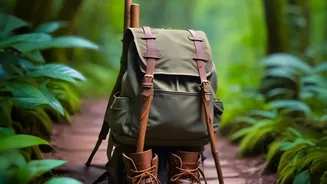
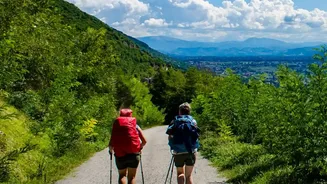
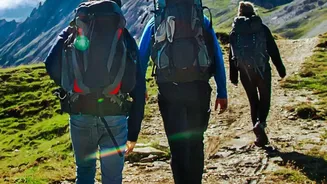
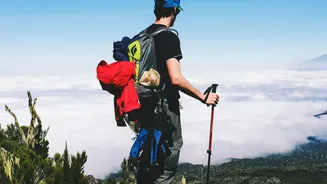
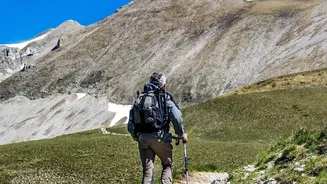
Your gear is your first line of defence. Regular sports shoes are a recipe for disaster on wet volcanic rock common in the Sahyadris. Invest in proper trekking shoes with deep grooves and excellent grip. Instead of cotton, which absorbs moisture and gets heavy, opt for quick-drying synthetic T-shirts and pants. A high-quality poncho is often better than a raincoat as it covers both you and your backpack, offering better ventilation. To protect your electronics and spare clothes, use dry bags or zip-lock pouches inside your main pack, which should also have a rain cover. Finally, a pair of trekking poles can provide crucial stability on slippery descents.
Navigating Trail Rules and Regulations
Gone are the days of spontaneous treks in many parts of the Western Ghats. In states like Karnataka, new regulations for 2026 have made pre-planning essential. Trekkers must now book permits online in advance, often through portals like Aranya Vihaara. Many popular routes now have a mandatory guide rule, with one guide assigned per group of ten trekkers, and daily caps on the number of visitors are enforced to protect fragile ecosystems. These rules were introduced to enhance safety following incidents of lost trekkers and to manage the environmental impact on popular trails. Always check the latest regulations for the specific trail you plan to visit, as spot bookings are generally not permitted.
Dealing With Leeches and Insects
Leeches are an unavoidable part of the monsoon trekking experience in the Ghats, but they are mostly harmless. The key is prevention and calm removal. Wearing full-length socks, or even specialized anti-leech socks, and tucking your pants into them creates a physical barrier. You can also apply repellents to your shoes and the bottom of your pants. If a leech attaches, don't panic or pull it off forcefully, as this can cause its mouthparts to remain in the skin. Instead, gently slide a fingernail or a flat-edged object under its sucker to break the seal, or apply a dab of salt or hand sanitizer, causing it to detach on its own. The bite will bleed due to the anticoagulant leeches inject, but it usually stops on its own. Clean the area afterward with an antiseptic wipe.
Trek Responsibly: Leave No Trace
The surge in trekking popularity has put immense pressure on delicate mountain ecosystems. Adhering to Leave No Trace principles is crucial. This means carrying back everything you bring in, including food wrappers and plastic bottles. Even biodegradable waste like fruit peels should be packed out, as they decompose very slowly at altitude. Stick to established trails to prevent soil erosion, especially when the ground is soft and muddy. If you must camp, choose a durable surface at least 200 feet away from water sources to protect them from contamination. Avoid using speakers for music; let fellow trekkers enjoy the sounds of nature. The goal is to leave the trail as pristine as you found it for future generations.