

Indian Railways is testing a new approach to onboard dining, swapping extensive menus for a shorter, curated selection. This trial aims to solve common passenger complaints and streamline the entire meal service, promising a better travel experience.
Why 'Less Is More' for Train Meals
In a significant shift from its traditionally extensive offerings, the Indian Railway Catering and Tourism Corporation (IRCTC) has initiated a pilot project to serve a compact, airline-style menu. The move, which began on November 1, 2026, is a direct response to persistent passenger complaints regarding food quality, consistency, and hygiene on long-distance trains. Officials believe that managing a smaller variety of dishes makes it easier to monitor preparation, ensure freshness, and maintain high standards from the kitchen to the passenger's seat. The previous system, with dozens of items, often led to operational challenges, including inconsistent quality and food waste, which the new model aims to rectify.
Which Trains Feature the New Menu?
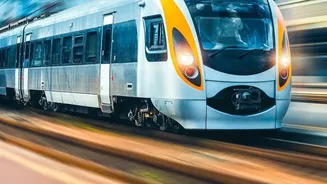
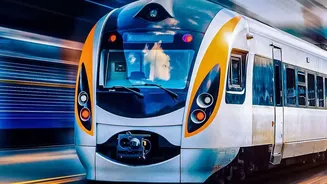
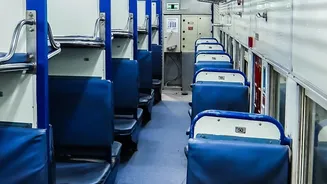
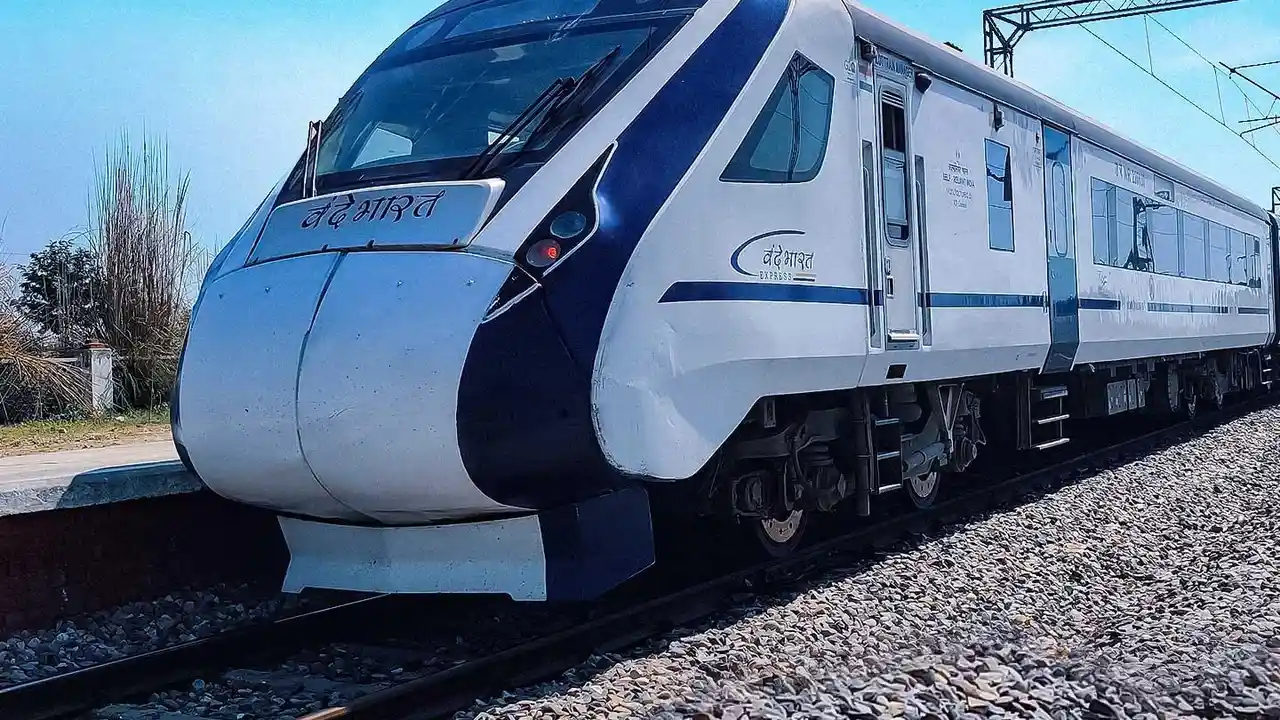
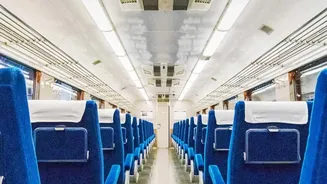
This trial is currently active exclusively on three Vande Bharat Sleeper routes. Passengers travelling on the New Delhi-Varanasi, Mumbai-Bengaluru, and Howrah-Kamakhya (Guwahati) services are the first to experience this new dining concept. IRCTC is closely monitoring passenger feedback on these routes to assess the project's success. If the response is positive, the simplified menu could be expanded to other premium and long-distance trains across the Indian Railways network in the future, signaling a major potential change for rail catering.
A Look at the Simplified Offerings
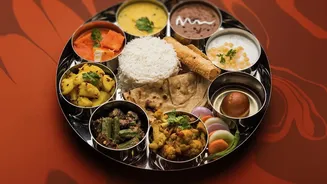
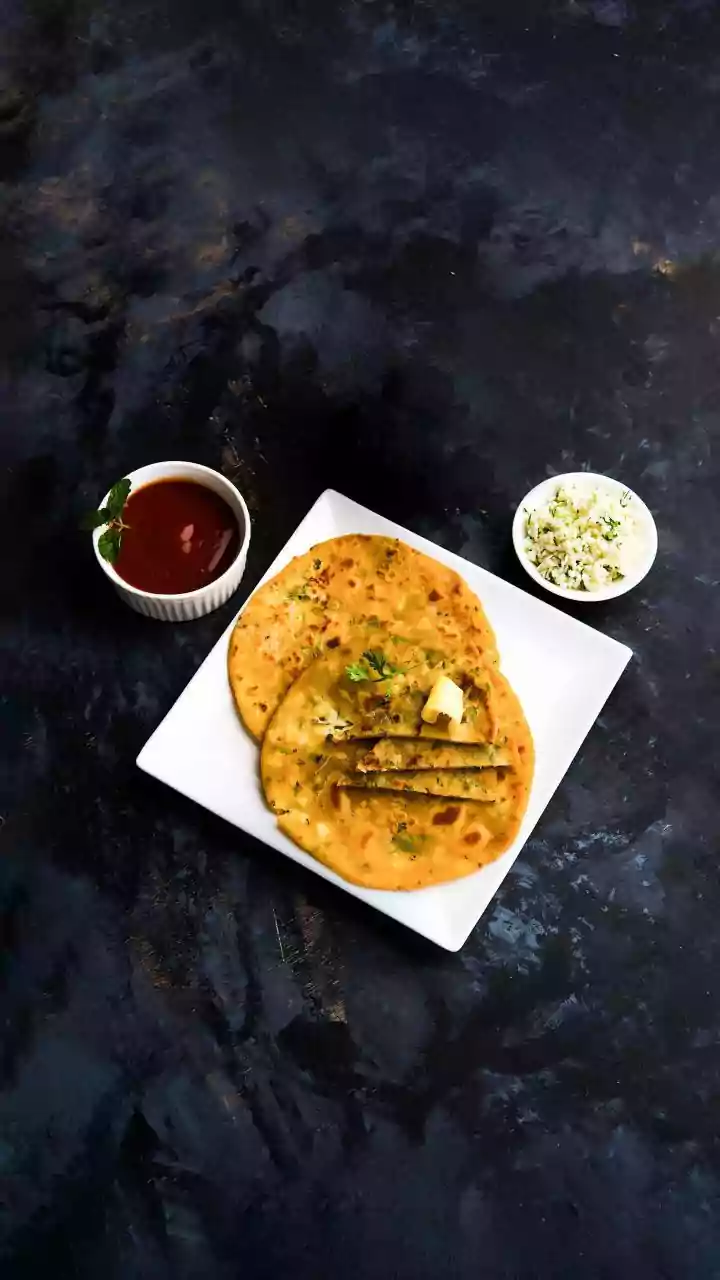
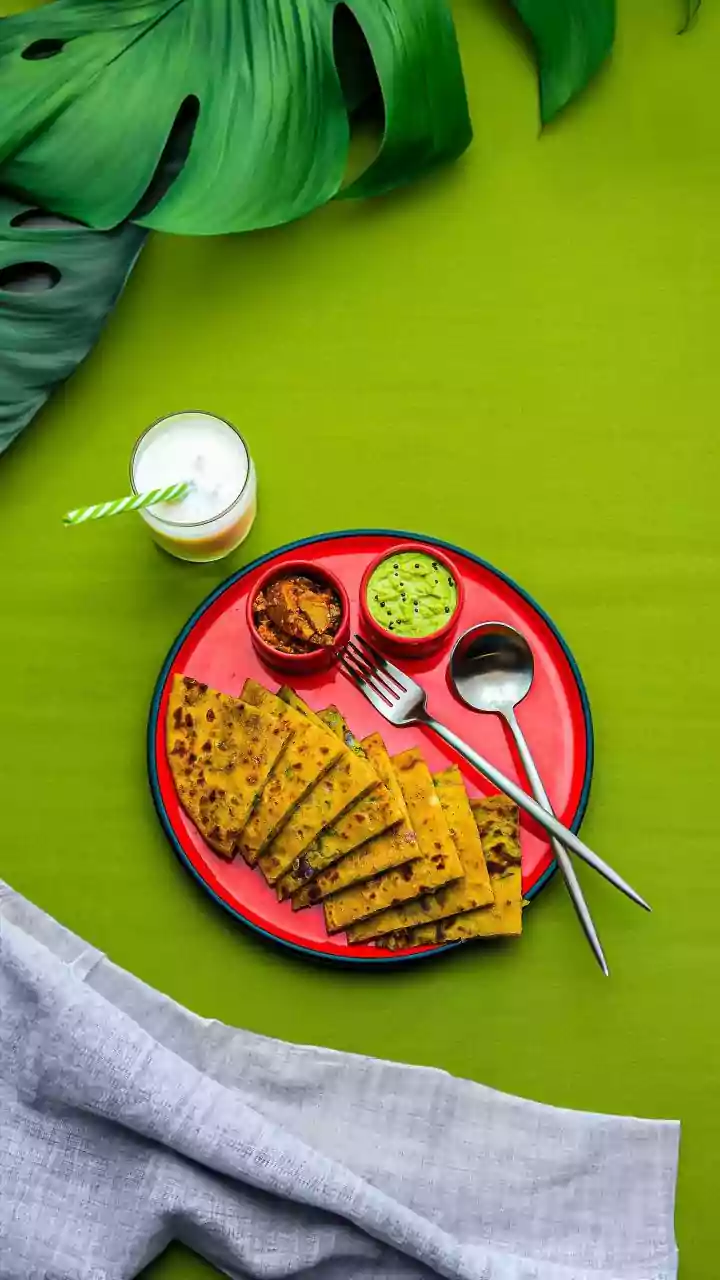
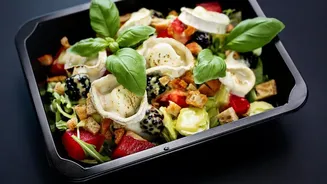
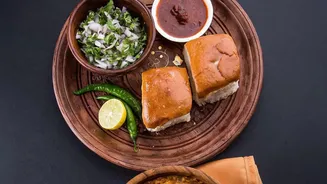
So what does the new, trimmed-down menu look like? The focus is on popular, easy-to-manage staples. For breakfast, passengers can choose one option from a selection that includes idli-vada with sambar, poha, or upma. Items like omelettes, sandwiches, soup, and chocolate have been removed from the breakfast tray. For lunch and dinner, the meal has been standardized to a core combination of roti, rice, and dal, accompanied by one main dish—either a vegetable preparation for vegetarian meals or a chicken dish for non-vegetarians. Several accompaniments such as dry vegetables, curd, salad, pickles, and sweets have been discontinued as part of the standard meal service to streamline operations.
Better Quality Through New Kitchens
A key component of this initiative is the change in how the food is prepared. Instead of relying on existing vendors or small pantry cars, IRCTC has partnered with major cloud kitchens and established hospitality groups known for airline catering, such as TajSATS and the Mayfair Group. This move is designed to ensure meals are prepared in controlled, hygienic, industrial-grade kitchens before being supplied to the trains. Officials have already noted a 10% drop in catering-related complaints in the West Zone since these new arrangements were put in place, suggesting an early positive impact on quality and passenger satisfaction.
What This Means for Your Journey
For passengers, the most immediate change is a reduction in choice but, hopefully, a noticeable improvement in quality. While the overall weight of a meal has been reduced from about 700-750 grams to 450-500 grams, IRCTC officials have clarified that this is due to removing extra items, not shrinking the portion sizes of the main dishes. The primary goal is to provide a more reliable and pleasant dining experience. Faster service, hotter food, and better hygiene are the intended benefits. While some may miss the wider variety, the trade-off is aimed squarely at elevating the standard of a fundamental part of train travel in India.