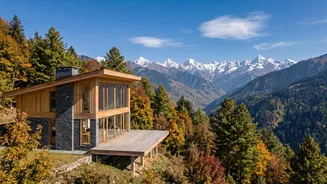








From Remote Work to Working Remotely
The pandemic fundamentally broke the traditional 9-to-5, office-centric model for millions. As companies adapted, remote work became a necessity, and then a norm. Now, as we settle into a landscape dominated by hybrid models, the conversation has evolved.
It's no longer just about working from home but working from anywhere. A survey by FICCI and Thrillophilia revealed that a third of travellers now prefer working from natural settings, highlighting a major shift in mindset. This has paved the way for the longer workation—not just a week away, but an extended period of weeks or even months spent in a new location while maintaining a full work schedule. It's a deliberate blend of productivity and leisure, moving beyond a simple holiday.
The Search for Sustainable Work-Life Balance
For employees, the appeal is obvious. A longer workation offers a powerful antidote to urban burnout. Instead of waiting for a short annual leave, professionals can immerse themselves in a new environment, whether it's the mountains of Himachal Pradesh or the beaches of Goa. This change of scenery is reported to boost creativity and break the monotony of a static routine. It allows for a more sustainable form of work-life integration, where evenings and weekends are spent exploring a new culture, hiking a trail, or simply relaxing in a different environment, all without sacrificing income or career progression. This grants a sense of freedom and independence that is highly valued by India's modern workforce, especially in the tech and creative sectors.
A Strategic Move for Smart Companies
While it might seem like a purely employee-centric perk, companies also stand to gain. In a competitive talent market, flexibility is a key differentiator. Offering policies that allow for extended remote work can be a powerful tool for attracting and retaining top professionals. Some businesses find they can reduce overheads on physical office space. Furthermore, employers recognize that a happy, well-rested, and motivated employee is a productive one. By enabling workations, companies can boost morale, reduce attrition, and foster a culture of trust and autonomy. Rather than seeing it as a loss of control, forward-thinking organizations view it as an investment in their most valuable asset: their people.
Navigating the Practical Hurdles
Despite the appeal, longer workations come with challenges. The most significant is infrastructure. While connectivity has improved dramatically across India, reliable, high-speed internet and consistent power can still be an issue in some remote areas. For companies, there are legal and logistical questions to address. India does not have a single, dedicated law for remote work; arrangements are governed by employment contracts and internal policies. Companies must create clear guidelines covering everything from data security and attendance tracking to expense reimbursement and health and safety obligations to remain compliant. There's also the cultural challenge of ensuring team cohesion and preventing a sense of isolation for those working far from the central hub.
A Boost for Local Economies
The rise of the workation trend has a significant ripple effect on local economies. Destinations that once relied on seasonal tourism can now attract visitors for longer durations throughout the year. This provides a more stable stream of revenue for hotels, homestays, cafes, and local service providers. States like Sikkim, which launched India's first 'digital nomad village' in 2025, are actively courting this new breed of traveller. As professionals spend extended time in a region, they integrate more deeply into the local community, spending money and supporting small businesses in a way that short-term tourists often don't. This trend could play a crucial role in reviving and sustaining domestic tourism.