


An Enduring Sensory Ritual
There are few experiences as quintessentially Indian as huddling under an awning during a downpour, watching a bhutta-wala skillfully turn cobs of corn over a small charcoal stove. The gentle hiss as the kernels char, the puff of smoke carrying the scent
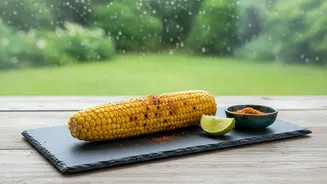
of roasting grain, and the final, generous rub of lemon, salt, and chilli powder is a ritual that engages all the senses. This simple street food is more than just a snack; it's a sensory bookmark for the season. The warmth of the freshly roasted cob provides a comforting contrast to the cool, damp air, making it a perfect companion for rainy evenings and impromptu strolls. For millions, the arrival of monsoon is heralded not just by the rain, but by the sight and smell of these vendors appearing on street corners, beaches, and hill stations across the country.
A Taste of Nostalgia
Beyond its immediate sensory appeal, the love for bhutta is deeply rooted in nostalgia. It evokes memories of childhood, of school holidays spent seeking shelter from the rain, or long drives made perfect by a stop for a hot, spicy cob. It is a food of simple pleasures and shared moments, connecting generations through a common taste. This connection is perhaps why, despite the influx of countless other snack options, roasted corn remains an enduring favourite. It’s an affordable and accessible comfort food that cuts across all demographics, enjoyed by everyone from students to families out for an evening walk. This universal appeal makes it a true culinary symbol of togetherness during the rainy season.
The Art of the Perfect Bhutta
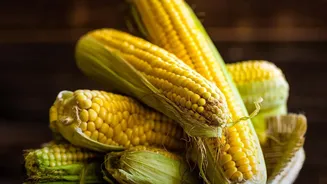
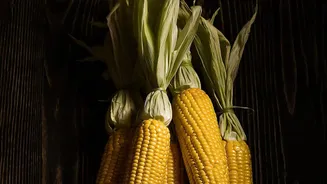
The magic of a great bhutta lies in its simplicity and the quality of its ingredients. The process begins with fresh corn, which is in peak season during the monsoon. Traditionally, vendors use the native Indian variety, or 'desi bhutta', which has a firmer, starchier texture compared to the sweeter American corn. The cobs are roasted directly over charcoal, which imparts a unique smoky flavour and creates those desirable charred spots on the kernels. Once roasted, the preparation is swift and theatrical. A half-cut lime is dipped into a mixture of salt, red chilli powder, and sometimes chaat masala. This is then rubbed vigorously all over the hot cob, with the tangy juice helping the spices cling to every kernel. The result is a perfect balance of smoky, sweet, spicy, and tangy notes in every bite.
Beyond the Roadside Stall
While the charcoal-roasted version is iconic, corn's versatility shines in many other monsoon dishes. At home, many replicate the street-food experience by roasting corn directly on a gas flame. Boiled corn kernels, tossed with butter and spices, offer a softer, equally comforting alternative. The culinary uses extend far beyond the cob. In many parts of India, grated fresh corn is the star of unique regional dishes. Madhya Pradesh's 'Bhutte Ka Kees' is a savory pudding-like dish made by slow-cooking grated corn with milk and spices. Other preparations include crispy corn pakoras, savoury chillas (pancakes), and even a sweet 'Bhutte Ka Halwa'. These dishes showcase how deeply this grain is woven into the fabric of Indian regional cuisines.
A Healthy and Hearty Indulgence
Indulging in a monsoon bhutta comes with surprising health benefits. Corn is a good source of dietary fibre, which aids digestion, and complex carbohydrates that provide sustained energy. It's also packed with essential nutrients like B vitamins and minerals such as magnesium and phosphorus. Yellow corn is particularly rich in antioxidants like lutein and zeaxanthin, which are beneficial for eye health. The simple seasonings of lime and spices are a far healthier choice than many other fried street foods. When enjoyed fresh off the grill, bhutta stands out as one of the most wholesome and satisfying snacks to enjoy during the rainy season, offering flavour without the guilt.