




What is a 'Story-Rich' Plate?
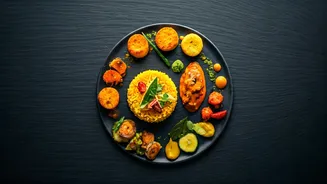
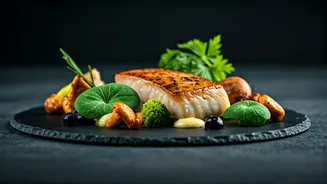
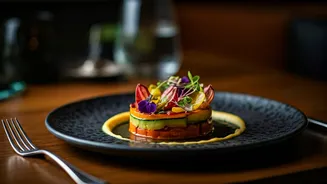
At its heart, a story-rich plate is one where every element has a narrative. It’s not just food; it’s a biography. This isn't about complicated molecular gastronomy or flashy techniques. Instead, it’s about a deep, tangible connection to the food’s origins.
The chef might explain that the black rice in your kheer is a rare variety grown by a single family in Manipur, or the goat cheese was made from the milk of free-roaming goats in a specific Himachali village. The focus shifts from 'what' you’re eating to 'why' you're eating it—why this specific ingredient, from this specific place, prepared in this specific way. The value lies in the rarity of the story, the authenticity of its sourcing, and the chef’s ability to act as a compelling narrator.
From Conspicuous to Conscious Consumption
For decades, the dining flex was about demonstrating wealth. It meant ordering the most expensive wine, the imported lobster, or the dish with the most luxurious-sounding ingredients. It was a game of conspicuous consumption. The new trend flips this on its head. Today, impressing your fellow diners is less about the price tag and more about your knowledge and consciousness. It's about cultural capital. Knowing the difference between millets, understanding the terroir of your coffee beans, or appreciating the effort to revive a forgotten culinary tradition shows you're not just a consumer, but a connoisseur. This shift reflects a broader change in values, where authenticity, sustainability, and connection are prized above pure extravagance.
India’s Culinary Renaissance
This trend is finding particularly fertile ground in India, a country with an almost overwhelming diversity of culinary narratives waiting to be told. A new generation of chefs is moving beyond the standard North Indian fare that once dominated fine dining. They are becoming culinary archaeologists and storytellers, digging into their own regional and family histories. Chefs like Prateek Sadhu, with ventures that explore Himalayan ingredients, or Thomas Zacharias, through his platform The Locavore, are championing this movement. They are putting dishes on the menu that celebrate a specific community’s festival food, a grandmother’s pickling technique, or a foraged berry found only for a few weeks a year. They are proving that a humble dish made with thoughtfully sourced, regional ingredients can be far more luxurious than any import.
Why We Crave Stories Now
So, why this hunger for narrative? There are several driving forces. Firstly, social media. Instagram may have started with pictures of pretty food, but it has evolved. Now, a long caption detailing the story of a farmer or the history of a recipe generates more engagement and confers more status than a simple food photo. Secondly, a post-pandemic world has left us craving genuine connection. A story connects us to the farmer, the chef, and the land, making the dining experience feel more meaningful. Finally, there's a growing awareness of sustainability and the fragility of our food systems. Supporting chefs who work with local producers and preserve biodiversity feels like a responsible, ethical choice—a flex that aligns with modern values.