


From Occasion-Wear to Everyday Essential
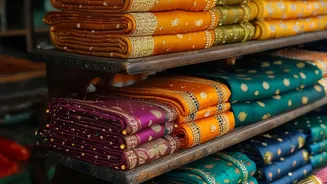
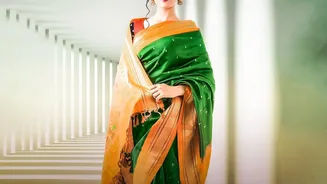
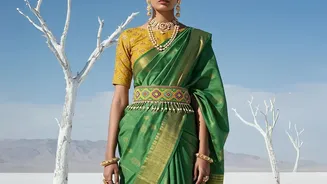
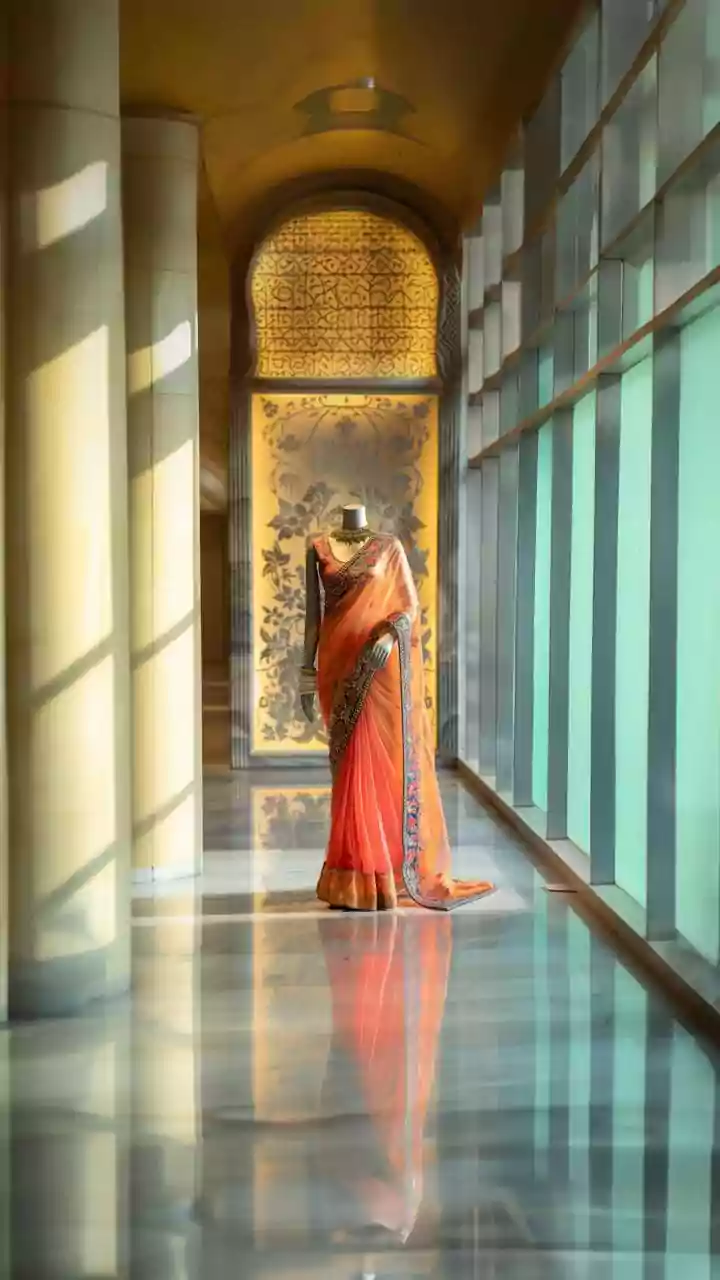
For generations, the mention of handloom fabrics like Banarasi silk or Jamdani conjured images of grand occasions: weddings, festivals, and formal ceremonies. These textiles were treasures, carefully stored and worn with reverence. But that perception
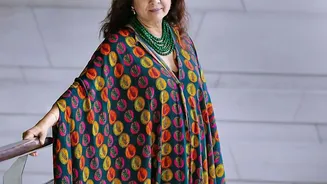
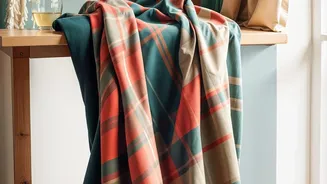
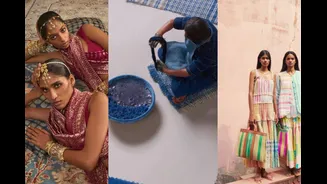
is rapidly changing. Today, a new wave of designers and style-conscious individuals are spearheading a revival that positions handloom not as a relic of the past, but as a vital part of the contemporary wardrobe. The movement is about taking these beautiful, handcrafted fabrics out of occasional contexts and integrating them into the clothes we live in daily—from the office to a casual brunch. This shift is fueled by a desire for authenticity and a backlash against the homogeneity of fast fashion. Consumers, particularly younger generations, are seeking clothing with a story, a connection to craftsmanship, and a sense of individuality that mass-produced items cannot offer.
The New Language of Heritage Weaves
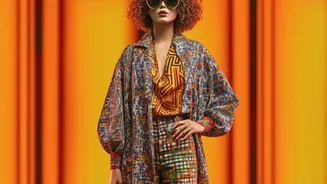
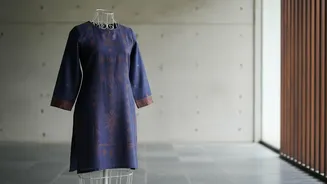
The beauty of this revival lies in its versatility. Designers are reinterpreting heritage textiles in silhouettes that feel fresh and relevant. Imagine the airy lightness of Chanderi, traditionally used for sarees, now fashioned into sharp, breathable work shirts and minimalist dresses. The geometric precision of Ikat from Gujarat or Odisha is no longer confined to ethnic wear but appears in bold bomber jackets, tailored trousers, and even sneakers. Khadi, the fabric of India's freedom movement, is being celebrated for its rugged texture and comfort in everything from structured blazers to relaxed co-ord sets. Designers like Sanjay Garg of Raw Mango, Rahul Mishra, and brands like 11.11 / eleven eleven are at the forefront, experimenting with weaves, blends, and natural dyes to make these fabrics appealing to a global audience while supporting artisan communities. This isn't about diluting tradition, but translating it for a modern lifestyle.
The Art of Modern Styling
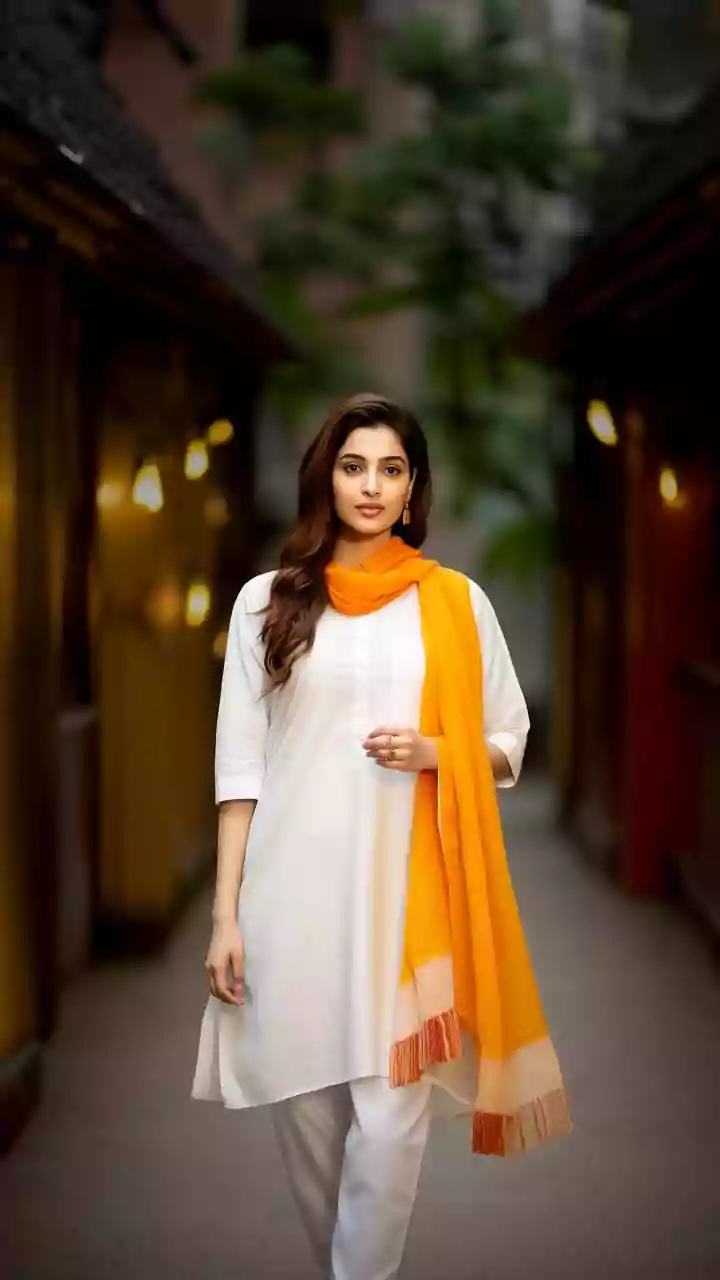
Incorporating handloom into your daily wardrobe doesn't require a complete overhaul. The key is balance and strategic pairing. Let one heritage piece be the star of your outfit. For example, pair a rich Banarasi brocade jacket with simple blue jeans and a white t-shirt for an instant fusion look. A hand-block printed skirt can be dressed down with a pair of clean white sneakers and a simple tank top. You can also start small with accessories; a handwoven Ikat scarf or a Tangkhul Naga textile tote bag can add a pop of colour and craft to a monochrome outfit. The idea is to mix these textured, story-rich fabrics with the minimalist, modern staples you already own. This high-low approach keeps the look current and personal, allowing the craftsmanship of the handloom piece to shine without feeling costumey or overwhelming.
A Conscious Choice for a Greener Wardrobe
Beyond the aesthetics, the handloom revival is deeply connected to the growing movement towards sustainable and ethical fashion. Handloom production has an inherently low carbon footprint, as it relies on manual energy rather than electricity. The process often utilizes natural fibres like cotton, silk, and wool, which are biodegradable, and many artisans use natural dyes derived from plants and minerals, reducing chemical pollution. Choosing handloom is a direct investment in slow fashion—a commitment to quality over quantity and timelessness over fleeting trends. It supports the livelihoods of skilled artisans, often in rural communities, and helps preserve ancient weaving techniques that are at risk of disappearing. In a world grappling with the environmental consequences of fast fashion, wearing handloom becomes a statement of conscious consumerism—a choice that feels as good as it looks.