




The Hidden Danger in Your Delivery
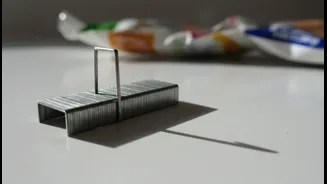
For years, the humble stapler pin has been the go-to for quickly sealing everything from cake boxes and mithai cartons to takeaway parcels. It’s cheap, fast, and seemingly effective. However, this convenience comes at a cost to consumer safety. The Food
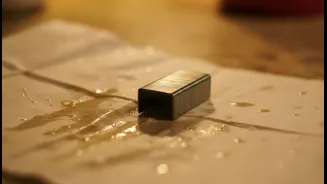
Safety and Standards Authority of India (FSSAI) has highlighted numerous instances where these small metal pins have become detached, ending up mixed with the food inside. The danger is clear and present: accidentally swallowing a sharp metal pin can lead to serious injuries, including cuts in the mouth and throat, internal damage to the digestive system, and choking hazards, particularly for children. One doctor noted that besides causing lacerations, a swallowed pin can become lodged in the food or windpipe, creating a life-threatening emergency. The risk of infection from rust or germs on the pin adds another layer of concern.
FSSAI's Firm Stance on Safety
Recognising this preventable hazard, the FSSAI has taken decisive action. In June 2026, the authority issued a directive prohibiting all Food Business Operators (FBOs)—from large restaurants to local bakeries—from using metallic pins, staples, or wires for packaging food. This ban is not just a suggestion; it's a mandate backed by legal force. The FSSAI has warned that businesses found violating this directive will face penal action under the Food Safety and Standards Act, 2006. This move is part of a broader effort by the regulator to tighten food safety standards across the country, which previously included advising against the use of newspapers for wrapping food due to ink contamination concerns. The message is unequivocal: the era of stapled food packages is over, and the responsibility for compliance rests squarely on the shoulders of the businesses that feed the nation.
The Rise of Pin-Free Alternatives
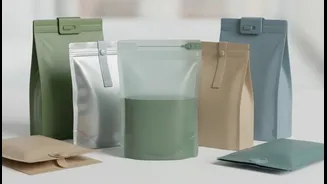
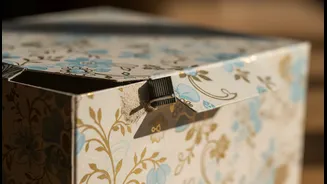
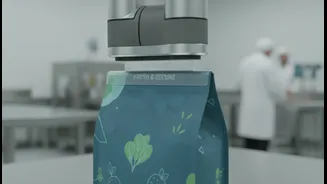
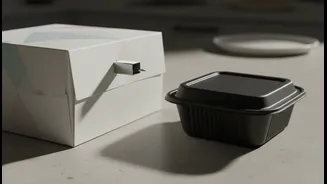
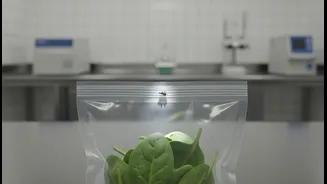
So, what does a world without stapled food parcels look like? The industry is now embracing a variety of safer, pin-free alternatives. For many, the simplest switch is to food-grade adhesive tapes, which provide a secure seal without the risk of metallic contamination. Others are turning to more integrated solutions. Modern packaging design now incorporates clever interlocking tabs and folds that secure the container without any additional fasteners. We are also seeing a rise in heat-sealing methods, which create a strong, tamper-evident bond on plastic or paper packaging. Another innovative approach is the 'stapleless stapler,' a device that cuts and folds a small flap of the paper itself to bind sheets together, completely eliminating the need for metal. While some of these alternatives might involve an initial investment or a slight increase in packaging cost, the benefit of ensuring consumer safety is immeasurable.
Beyond the Bakery: A Wider Shift
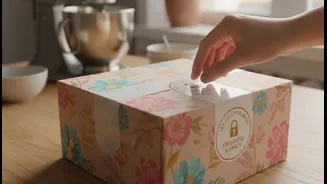
While the FSSAI's directive is squarely focused on food, the move towards safer, smarter packaging reflects a larger trend that extends into e-commerce and other delivery-dependent sectors. Consumers are increasingly demanding packaging that is not only secure but also easy to open, sustainable, and free from unnecessary or potentially hazardous materials. Companies are responding with innovations like tamper-evident seals, which give customers peace of mind, and frustration-free packaging that does away with hard-to-open plastic shells and excessive materials. This broader shift is driven by a growing understanding that the user's experience doesn't end with the purchase; it extends all the way to the unboxing. The transition away from stapler pins in food delivery is a critical step in this evolution, prioritizing the well-being of the end consumer above all else.