








What Exactly Is an Emergency Fund?
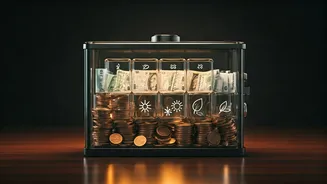
Think of an emergency fund as your personal financial safety net. It's a pool of money set aside specifically for unexpected, urgent expenses. This isn't your holiday fund or money for a new phone. Its sole purpose is to cover life’s big, unpleasant surprises,
like a sudden job loss, a medical emergency, an urgent car repair, or an unexpected but necessary trip to help family. The key is that it’s for things that are both unforeseen and essential. By having this cash reserve, you avoid having to sell investments at a loss, take on high-interest debt from credit cards or personal loans, or borrow from friends and family during a crisis. It’s your first line of defence against financial chaos.
The Financial 'Oxygen Mask'
The main benefit of an emergency fund isn't just financial; it's psychological. Financial stress is a heavy burden that affects your health, relationships, and decision-making. When a crisis hits, panic can lead to poor choices. An emergency fund acts like your financial 'oxygen mask'—it gives you the breathing room to think clearly and make rational decisions when you're under immense pressure. Knowing you have a buffer to handle a few months of unemployment or a large medical bill drastically reduces the day-to-day anxiety about 'what if' scenarios. It replaces fear with a sense of control and security, allowing you to focus on solving the actual problem at hand, rather than worrying about how to pay for it.
How Much Do You Really Need?
The standard rule of thumb is to have three to six months' worth of essential living expenses saved. To calculate this, don't just take your monthly salary. Instead, add up only your non-negotiable costs: rent or EMI, utility bills, groceries, transport, insurance premiums, and any other essential loan payments. For example, if your essential monthly expenses are ₹40,000, your target emergency fund would be between ₹1,20,000 and ₹2,40,000. If you're in a stable job with a dual-income family, three months might be sufficient. However, if you're a freelancer, a single-income household, or work in a volatile industry, aiming for six months (or even more) provides a much safer cushion.
Where Should You Keep This Money?
The two most important features of an emergency fund are safety and liquidity. This means the money should be safe from market fluctuations and easily accessible within a day or two. Keeping it in a regular savings account is a start, but the returns are low. Better options include:
1. A high-yield savings account: Some banks offer higher interest rates on savings accounts with certain conditions. This is a simple and safe option.
2. Liquid Mutual Funds: These are debt mutual funds that invest in short-term securities. They are generally considered low-risk and offer better returns than a savings account. You can typically redeem the money within one or two working days.
3. A mix of both: You could keep one month's expenses in a savings account for immediate access and the rest in a liquid fund for slightly better growth.
Crucially, do not put your emergency fund in stocks, equity mutual funds, or real estate. These investments are too volatile and cannot be sold quickly without potential losses.
How to Start Building It Today
The idea of saving six months of expenses can feel overwhelming. The key is to start small and be consistent. Begin by setting a small, achievable goal, like saving one month's worth of expenses. Automate the process: set up a recurring transfer from your salary account to your dedicated emergency fund account on the day you get paid. This 'pay yourself first' approach ensures you're saving before you have a chance to spend it. Cut back on one or two non-essential expenses and redirect that money. If you receive a bonus, a tax refund, or any other small windfall, resist the urge to splurge and put a portion of it directly into your emergency fund. Every little bit adds up, and the momentum will build over time.