





The Code Behind the Conflict
At the heart of the issue is not a single 'code change' but a fundamental shift in philosophy. The Department of Defense (DoD) is urgently moving away from old, rigid software development models toward agile practices known as DevSecOps. This approach,
common in the tech industry, involves continuous updates, security baked in from the start, and rapid, iterative improvements. The problem is that many of the military's most critical and longest-serving weapon systems were built using programming languages and architectures from a different era, such as Ada or older versions of C++. These systems were designed to be robust and un-changing for decades, not to be updated weekly or monthly.
Old Hardware, New Problems
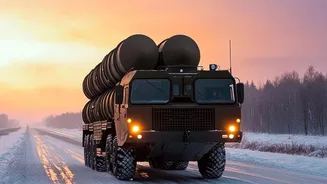
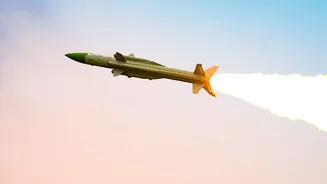
This creates a major clash when new software meets old hardware. Consider the B-52 Stratofortress, a bomber first flown in the 1950s that the Air Force plans to keep in service into the 2050s. A recent government report highlighted that major upgrades to the B-52's engines and radar are already facing significant cost overruns and schedule delays. These legacy platforms were not designed for the plug-and-play software of today. Integrating modern code, especially AI-driven tools, into systems built decades ago is incredibly complex and expensive. The Missile Defense Agency, for instance, recently noted that much of its foundational code is written in older languages, making it costly and slow to maintain and secure against modern threats. The result is a fleet that is both expensive to sustain and increasingly vulnerable.
A Procurement System Built for Yesterday
The challenge is magnified by the Pentagon's traditional procurement process, a system often described as being built for the Cold War. It's a slow, bureaucratic 'waterfall' model designed to eliminate risk by spending years, sometimes over a decade, specifying, building, and testing massive hardware platforms. This lengthy process rewards large, established defense contractors and often discourages smaller, more innovative commercial tech companies from participating. This industrial-age acquisition system is fundamentally at odds with the information-age reality of software-defined warfare, where the ability to update code quickly is a direct measure of military advantage. As one expert put it, you cannot use a framework designed to build aircraft carriers to iterate code in minutes.
The High-Stakes Consequences of Lag
The inability to quickly update software on legacy systems has direct and dangerous consequences. First, it creates significant security vulnerabilities. A static system is a target that adversaries can study and exploit over time. Second, it means that American warfighters may not have the most advanced capabilities. An F-35 pilot might have to wait years for a critical software patch that could be developed in hours, simply because the process for deploying it to the fleet is so cumbersome. This growing gap between the speed of software development and the military's ability to field it puts the US at risk of falling behind competitors who are building their forces around more modern, adaptable software architectures.
Is There a Path Forward?
Recognizing the crisis, the DoD has launched several initiatives to break the logjam. The push for DevSecOps is central, aiming to create 'software factories' that can churn out secure, tested code rapidly. The goal is to move toward a model of 'continuous Authorization to Operate' (cATO), replacing point-in-time security checks with constant monitoring. Furthermore, there is a growing emphasis on using open-systems architectures, which avoid being locked into one contractor's proprietary technology and allow for easier integration of new tools from different vendors. However, experts caution that technology is only one part of the solution; overcoming the cultural and bureaucratic resistance to change within the vast defense establishment is the greatest challenge of all.