

Why the Cut Is King
The size and shape of your vegetable pieces directly influence the final dish in several crucial ways. It’s not just about aesthetics; it’s about science. A vegetable's cut determines its surface area, which affects how quickly it cooks and how it absorbs
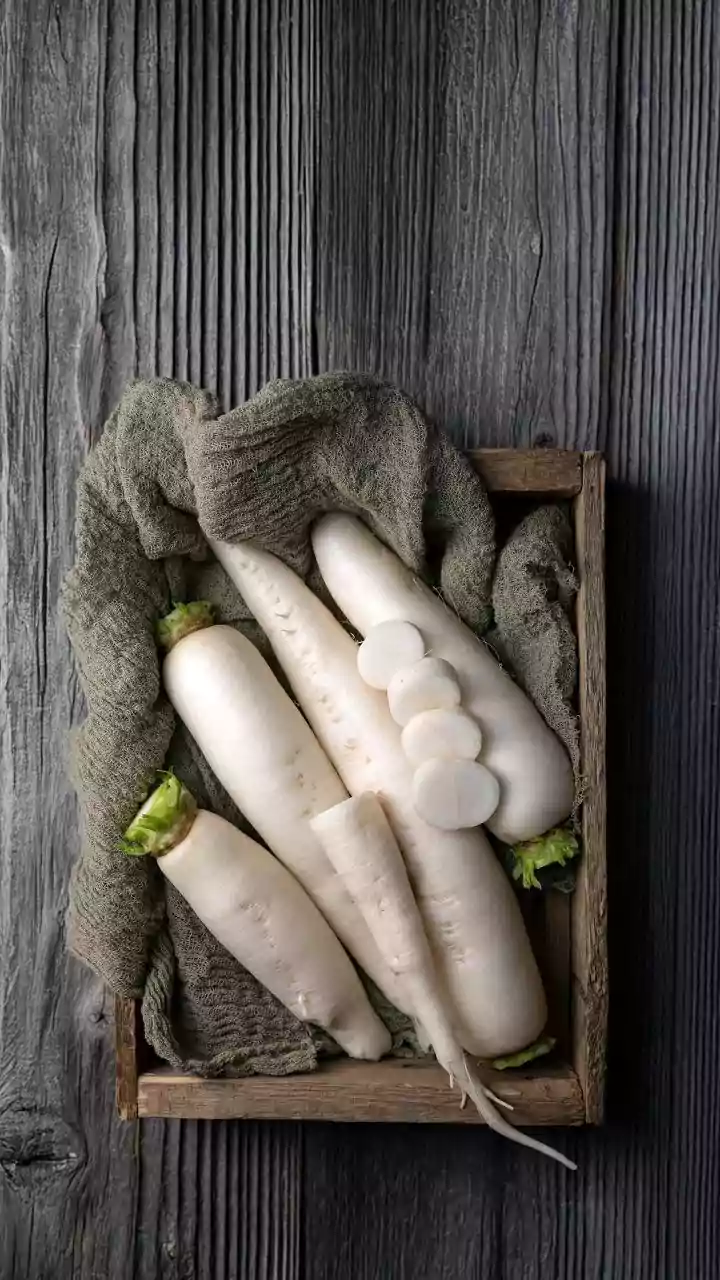
flavours. Finely minced garlic, for instance, releases its aromatic oils more intensely into a dish than a whole clove. Uniform cuts ensure everything cooks at the same rate, preventing the dreaded mix of mushy and undercooked bits in your sabzi or stir-fry. Furthermore, texture, which is a huge component of how we perceive taste, is dictated by the cut. A thinly sliced radish offers a crisp bite, while a large chunk of pumpkin in a curry becomes soft and yielding.
Match the Cut to the Method
The way you plan to cook your vegetables is the most important factor in deciding how to cut them. A cut that works for one method may be a disaster for another. For quick, high-heat cooking like stir-frying, thin, diagonal (bias) cuts or matchstick-like juliennes are ideal because they cook rapidly and evenly. For roasting, larger, chunkier cuts are preferred. The greater surface area allows for better caramelisation on the outside while the inside becomes tender without turning to mush. For soups and stews that simmer for a long time, a medium dice (known as macédoine) allows vegetables to hold their shape and contribute to the texture of the dish. Raw salads, on the other hand, benefit from delicate cuts like thin ribbons (chiffonade) of leafy greens or finely shredded cabbage.
An Essential Guide to Basic Cuts
You don't need to be a professional chef to master a few basic cuts that will transform your cooking. Here are a few to know:
- Chopping: This is a rougher, less precise cut resulting in uneven but similarly sized pieces. It's perfect for dishes like stocks or rustic sauces where appearance doesn't matter as much as flavour.
- Dicing: This means cutting vegetables into uniform cubes. Small dice is great for sauces and salsas, while medium dice is a workhorse for sabzis, curries, and vegetable medleys.
- Slicing: Creating thin, flat pieces. Think of sliced onions for sandwiches or round 'coins' of carrots for a simple side dish. Angling your knife creates a bias slice, which looks great in stir-fries.
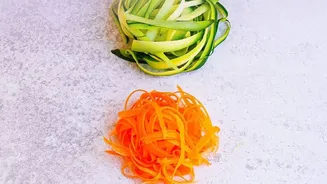
- Julienne: This is the technique for creating thin 'matchsticks'. It's often used for carrots, cucumbers, and bell peppers in salads and spring rolls for a delicate crunch.
A Strategy for Seasonal Indian Cooking
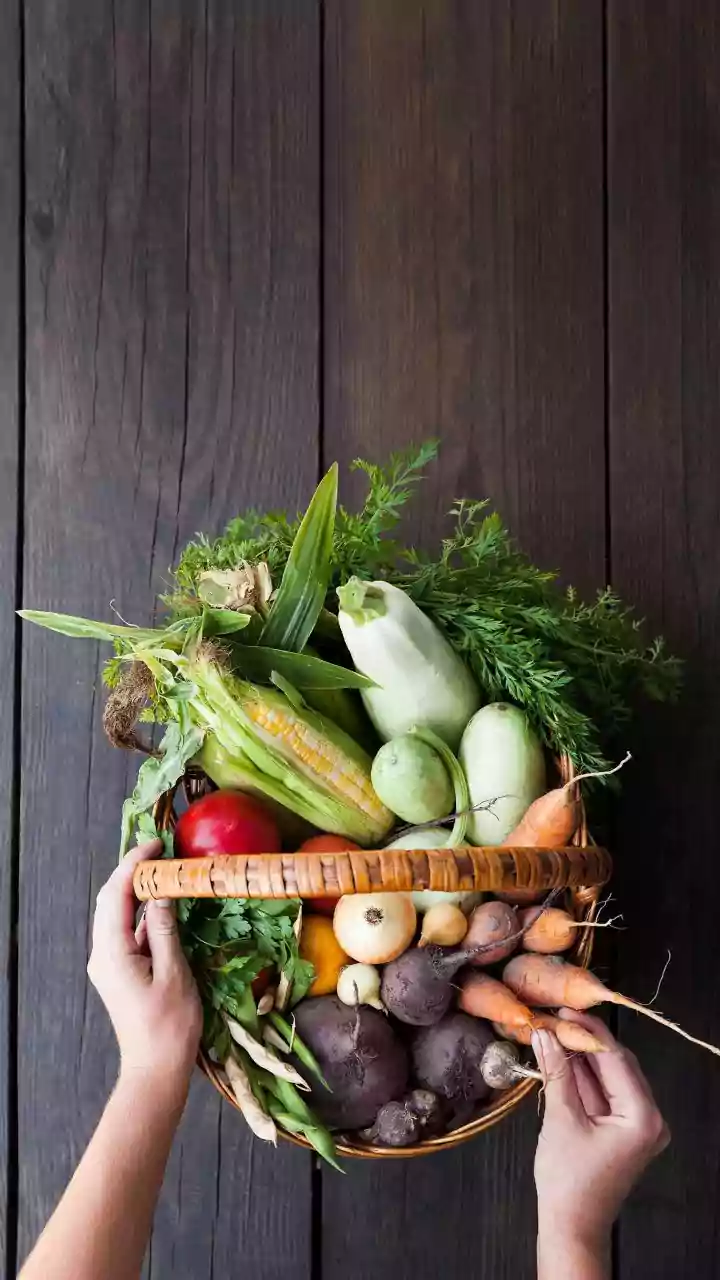
Applying these principles to seasonal Indian vegetables can make your daily cooking more efficient and delicious. During winter, hard vegetables like carrots, beets, and radishes are abundant. For a dry sabzi, cubing them ensures they cook evenly alongside potatoes. For a raita or salad, grating is a better choice. In the summer, gourds like lauki (bottle gourd) and tori (ridge gourd) are common. A simple dice works well for curries, as they soften easily. For bhindi (okra), slicing them into rounds or lengthwise is common, but ensuring they are dry before cutting helps prevent them from becoming slimy. For dishes like sambar, which features a mix of vegetables, cutting everything into relatively uniform large chunks (like pumpkin, drumsticks, and carrots) ensures each one is cooked through but distinct.
Cutting for Meal Prep and Longevity
When you're prepping vegetables for the week, the cut matters for storage as well. In general, the larger the cut, the longer the vegetable will stay fresh. Whole or largely cut vegetables have less exposed surface area, which means less oxidation and moisture loss. Hardy vegetables like carrots, bell peppers, broccoli, and cauliflower can be cut into florets or sticks and stored in airtight containers for up to a week. Onions can be sliced or diced, but will become more pungent over time. Softer vegetables with high water content, like cucumbers and tomatoes, are best cut just before use. For leafy greens, washing, drying, and storing them whole or in large pieces is best; you can shred or chop them when you're ready to assemble your meal.