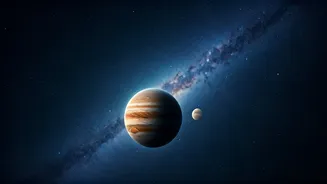



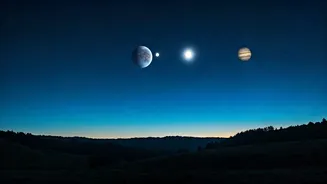
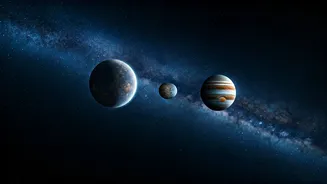


What Is This Planetary ‘Parade’?
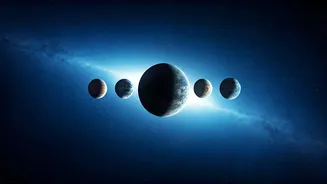
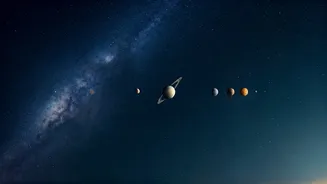
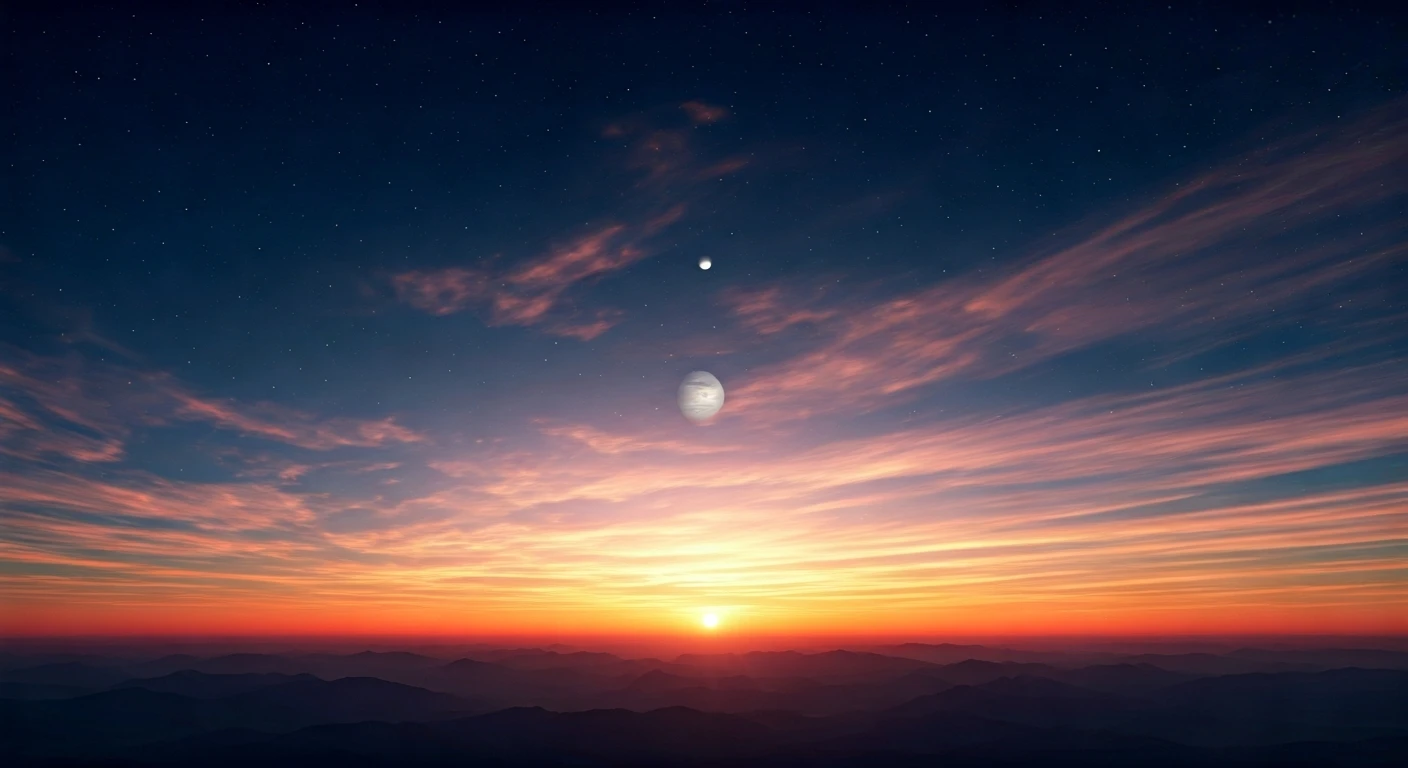
When astronomers talk about a planetary alignment, they don’t mean the planets are forming a perfectly straight line in space. That’s an incredibly rare event. Instead, what we’re seeing tonight is a beautiful optical illusion from our perspective here
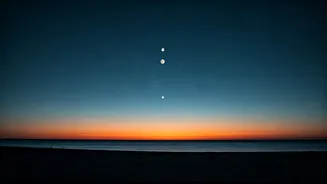
on Earth. The planets, each on their own vast orbit around the Sun, happen to appear close together in our sky. It’s like seeing distant city lights line up from a particular angle—they aren’t actually next to each other, but from your viewpoint, they create a pattern. Tonight, Mercury, Venus, and Jupiter will be visible within a small patch of the twilight sky. It’s a wonderful opportunity to appreciate the dynamic, ever-changing nature of our solar system. These events are not just for astronomers with powerful telescopes; they are a free sky show for everyone, reminding us of the cosmic dance happening above our heads every single moment.
When and Where to Look: Timing Is Key
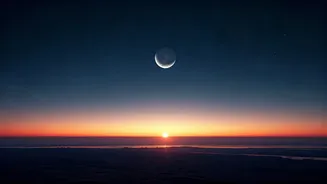
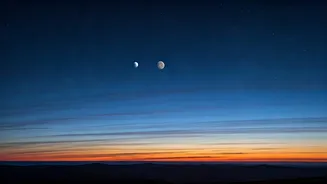
This is a blink-and-you’ll-miss-it event, so timing is crucial. The best window for viewing is about 30 to 60 minutes after sunset. You need to look towards the western horizon, the same direction where the sun just disappeared. Once the sky starts to darken from deep blue to indigo, the planets will begin to emerge. Don't wait too long! Mercury, being closest to the sun and lowest on the horizon, will set very quickly. Venus and Jupiter will linger a little longer, but the entire trio will be gone within about 90 minutes of sunset. For viewers in major Indian cities, sunset is approximately between 6:30 PM and 7:00 PM IST. Be ready to look west right after that. The key is to find a spot with a clear, unobstructed view of the western horizon. A rooftop, a park clear of tall buildings, or a beach would be ideal.
How to Spot Each Planet
You don't need a telescope to see this trio, but knowing what to look for will help. First, find Venus. You can't miss it. It will be the brightest, most brilliant point of light in the western twilight sky, often called the “Evening Star.” It shines with a steady, silvery light and doesn’t twinkle like a star. Once you’ve located Venus, look nearby for Jupiter. It will be the second brightest object in the group, appearing as a steady, bright 'star' itself, though not as dazzling as Venus. The real challenge, and the prize of the evening, is spotting Mercury. Look just above the horizon, likely below or to the side of Venus. Mercury is the faintest of the three and will be washed out by the remaining twilight glow. It’s a tiny pinprick of light, and finding it feels like a real achievement.
Tips for the Best Viewing Experience
To maximise your chances of seeing all three planets, follow these simple tips. First, get away from city lights if you can. Light pollution will make it much harder to spot faint Mercury. Second, give your eyes time to adjust to the dark. Spend at least 10 minutes away from your phone screen or bright lights before you start your search. Third, bring binoculars if you have them. While not essential for Venus and Jupiter, a simple pair of binoculars will make Mercury pop out from the background glow and can even reveal a hint of Jupiter's own moons as tiny dots of light. Finally, you can use a stargazing app on your phone (like Stellarium or Star Walk). These apps use your phone’s camera and GPS to show you exactly where to look in the sky, taking all the guesswork out of finding your celestial targets.