

What's in the Sky?
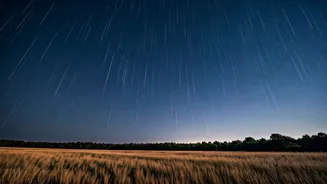
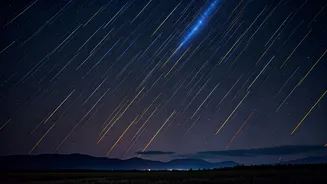
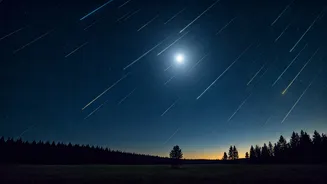
Late July marks the start of the summer meteor season, with two showers peaking simultaneously on the night of July 30-31: the Southern Delta Aquariids and the Alpha Capricornids. The Southern Delta Aquariids are active from mid-July to late August and can
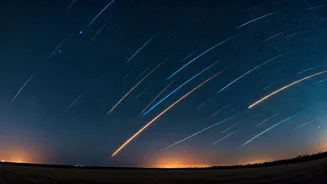
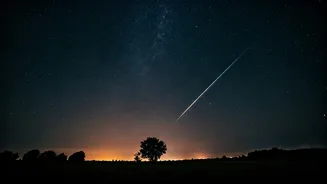
produce up to 25 meteors per hour under ideal conditions. They are known for being relatively faint but steady. The Alpha Capricornids, active from early July to mid-August, are less frequent, offering only about five meteors per hour. However, what they lack in numbers, they make up for in spectacle, as they are famous for producing bright, spectacular fireballs that can streak across the sky. These two showers serve as an opening act for the much-anticipated Perseid meteor shower, which begins its run on July 17 and peaks in mid-August.
The Challenge: A Bright Moon
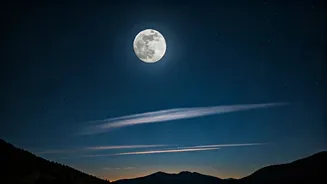
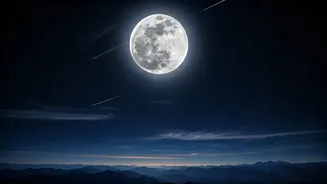
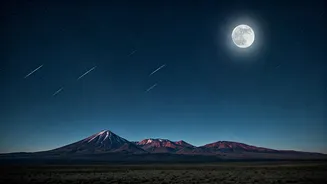
There's a slight catch for this year's late-July showers. The peak on July 30-31 coincides with a very bright, nearly full moon. This lunar glare will wash out the fainter meteors, making them difficult to see. But don't let that discourage you. The famously bright fireballs of the Alpha Capricornids are often vivid enough to power through the moonlight. Patience will be key, and with a bit of luck, you'll still be treated to some impressive shooting stars. To maximize your chances, try to position yourself so the moon is out of your direct line of sight.
Essential Gear for a Great Night
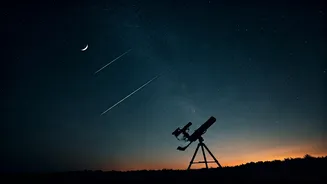
You don't need a lot of fancy equipment to enjoy a meteor shower; in fact, your naked eyes are the best tool for the job since they provide the widest field of view. Binoculars and telescopes are not recommended for watching meteors, as they severely restrict how much sky you can see. Instead, focus on comfort. A reclining lawn chair or a thick blanket on the ground will save you from neck strain. Even on summer nights, the temperature can drop, so bring layers of clothing and an extra blanket. A red-light flashlight is also a must-have. It will allow you to see your surroundings without ruining your night vision, which can take up to 30 minutes to fully adjust to the dark. Finally, pack some snacks and a thermos with a warm drink to make the experience even more enjoyable.
Location, Location, Location
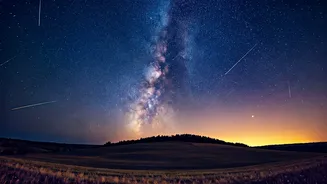
The single most important factor for good meteor watching is getting away from light pollution. The darker the sky, the more stars and meteors you will see. Find a spot with a wide-open view of the sky, away from the glow of city lights, buildings, and trees. Rural parks, fields, or designated dark-sky areas are ideal. Give your eyes at least 20-30 minutes to fully adapt to the darkness once you arrive. During this time, avoid looking at your phone or any other source of white light, as it will reset your night vision. Apps and websites can help you find light pollution maps to identify the best viewing spots near you.
Viewing Tips for Success
While the meteors from these showers appear to radiate from the constellations of Aquarius and Capricornus in the southern sky, you don't need to stare at one specific point. In fact, the best strategy is to lie back and look straight up, allowing your eyes to take in as much of the sky as possible. Meteors can appear anywhere. You'll actually see longer and more dramatic streaks by looking about 45 degrees away from the radiant point rather than directly at it. Remember that meteor showers come in bursts; you might see several in a few minutes, followed by a lull. Patience is a virtue for stargazers. Plan to spend at least an hour watching to give yourself the best chance of seeing a good show.