



Meet Galangal: Ginger’s Cooler Cousin
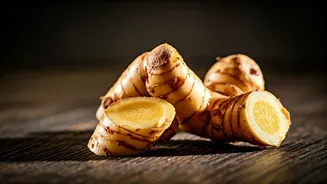
At first glance, you might mistake fresh galangal for ginger. They are, after all, part of the same rhizome family, which also includes turmeric. However, galangal, sometimes called Thai or Siamese ginger, stands apart with smoother, paler skin that can
have a pinkish hue. Native to Southeast Asia, it’s a cornerstone ingredient in Thai, Indonesian, Malaysian, and South Indian cuisines. Unlike ginger, galangal's flesh is much harder and more woody, meaning it requires a sharp knife to slice through it. This density hints at its powerful and distinct aromatic properties that have made it a culinary staple for centuries.
A Flavour Profile Unlike Any Other
The primary reason galangal is not interchangeable with ginger is its unique taste. While ginger provides a spicy, pungent warmth, galangal offers a completely different experience. Its flavour is sharp, peppery, and intensely citrusy, with complex notes often described as pine-like or even slightly medicinal in a refreshing way. Think of it as cooling and woodsy, rather than fiery. Chewing on a raw piece isn't pleasant due to its tough texture, so its magic is released through infusion into liquids or by being pounded into a paste. This aromatic zing is what brings a signature brightness to famous dishes like Thailand’s Tom Yum and Tom Kha Gai soups.
The Secret to a More Vibrant Broth
This is where galangal truly shines. Adding it to a broth transforms the liquid from a simple stock into a vibrant, aromatic base. To use it, simply wash the fresh rhizome—peeling isn't always necessary—and slice it into thin coins. Add these slices to your broth early in the cooking process, allowing it to simmer for at least 10-20 minutes to fully infuse its flavour. The heat unlocks its essential oils, releasing that signature citrus-pine aroma. It works beautifully in clear broths, lentil soups (dals), and especially in coconut milk-based soups where its sharp notes cut through the richness. Just remember to advise your guests not to eat the woody slices, which are typically left in for presentation but are too tough to chew.
How to Prepare and Use Galangal
There are three main ways to prepare galangal for cooking. The most common method for broths is infusion, using thin slices as described above. For curries and marinades, it's often pounded into a paste using a mortar and pestle, frequently combined with other aromatics like lemongrass, garlic, and chillies. This breaks down the tough fibres and allows its flavour to be consumed directly. Lastly, for salads or dips, it can be very finely minced. Because fresh galangal has a woody texture, it can't be grated with a standard microplane like ginger can. You’ll need a sharp, sturdy knife to get the job done.
Tips for Buying and Storing
Look for fresh galangal in Asian markets or the international section of larger supermarkets. Choose rhizomes that are plump and firm with smooth skin, avoiding any that look shrivelled or mouldy. Younger, pinkish roots tend to be more tender. Fresh galangal doesn’t last long in the refrigerator, often only about a week before it starts to get mouldy. For longer storage, the best method is to slice it into coins, lay them on a tray in a single layer, and freeze them. Once frozen, you can transfer the slices to a freezer bag. This way, they won't stick together and you can easily grab what you need.