





The Damp Fur Dilemma
Constant humidity and getting caught in downpours mean your pet’s coat can become a breeding ground for skin infections. Damp fur that sits against the skin is a primary cause of fungal and bacterial issues, which veterinarians see spike every monsoon.
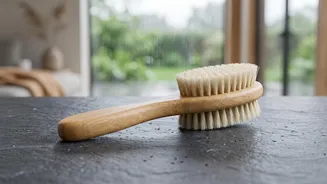
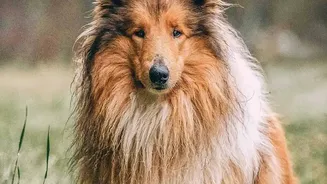
The most crucial step is to dry your pet thoroughly after every single walk. Use a highly absorbent microfibre towel, focusing on the paws, underbelly, and ears. For pets with thick or double coats, a blow dryer on a low-heat setting is recommended to ensure the undercoat is completely dry, preventing that lingering musty smell and the development of painful 'hot spots' or acute moist dermatitis. Regular brushing also becomes more important; daily grooming removes loose hair, prevents matting that traps moisture, and improves air circulation to the skin.
Mastering Muddy Paws
Muddy paw prints on clean floors are a monsoon staple, but the issue is more than just cosmetic. Mud and dirt can hide sharp debris, while the moisture trapped between paw pads is a common site for infections. It is essential to clean your pet's paws after every outing. A simple and effective method is to keep a bowl of lukewarm water and a dedicated towel near the door. Gently dip each paw in the water, wipe clean, and dry thoroughly, especially between the toes. For quick clean-ups, pet-safe antiseptic wipes are a great option. It's also a good time to inspect the paws for any cuts, redness, or irritation. Some groomers recommend trimming the fur around the paws and between the pads to reduce how much mud and debris gets tracked in.
The War on Ticks and Fleas
The warm, humid monsoon weather creates a paradise for external parasites like ticks and fleas. Their populations explode during this season, increasing the risk of infestations and tick-borne diseases. Even pets that stay mostly indoors are not entirely safe, as these parasites can be brought in on shoes and clothing. Consistent, year-round parasite prevention is key, but it's especially critical during the rains. Consult your veterinarian for the best tick and flea preventative products for your pet, whether it's a spot-on treatment, a medicated collar, or oral tablets. Additionally, get into the habit of performing daily tick checks after your pet has been outdoors. Run your hands over their entire body, paying close attention to areas like the ears, neck, armpits, and between the toes.
Beyond the Coat: Overall Hygiene
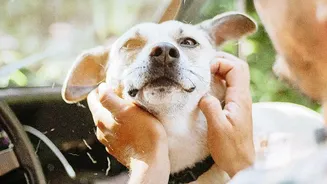
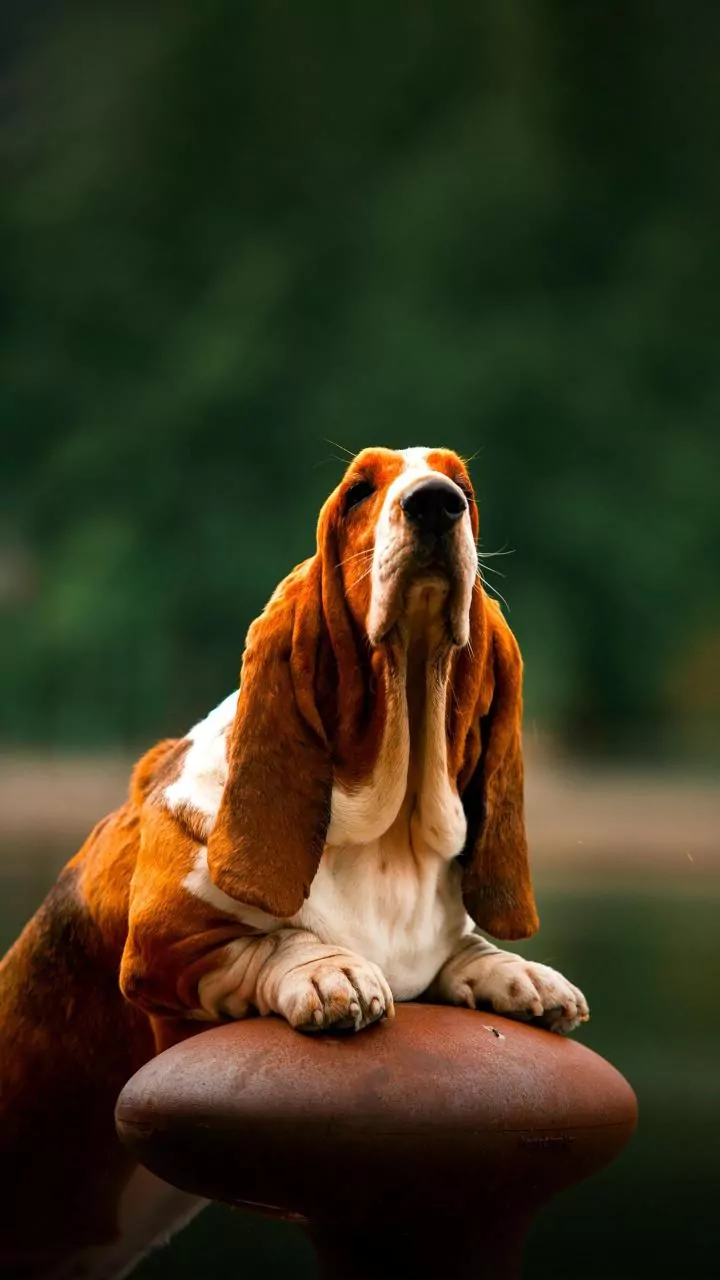
Monsoon grooming extends beyond just fur and paws. The increased humidity means pet bedding, collars, and harnesses can become damp and smelly, fostering bacterial growth. It is advisable to wash your pet’s bedding more frequently during the rainy season, ideally in hot water, and ensure it is completely dry before use. Ears also require extra attention, as trapped moisture can lead to painful infections, especially in floppy-eared breeds. Gently clean their ears every week with a vet-approved solution. Finally, bathing should be done, but not too often. Over-bathing can strip the skin of its natural oils, weakening its protective barrier. Stick to a schedule of bathing every two to three weeks, unless your pet is exceptionally dirty, and consider using a mild anti-fungal or vet-recommended shampoo.