




The Rise of Data and the Dilemma of Labelling
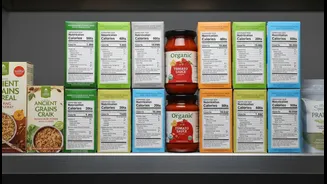
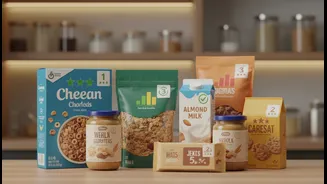
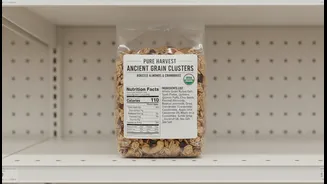
Across India, there's a growing demand for transparency in what we eat. The explosive growth of the ultra-processed food sector, which saw a 13.37% compound annual growth rate between 2011 and 2021, is reshaping the nation's diet. This shift has coincided
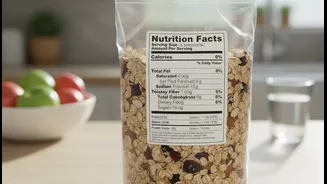
with a public health crisis; non-communicable diseases (NCDs) like diabetes and heart disease now account for over 60% of deaths in the country. In response, public health advocates and regulators like the Food Safety and Standards Authority of India (FSSAI) are pushing for clearer Front-of-Pack Labelling (FOPL). The idea is to simplify complex nutritional information, helping consumers quickly identify foods high in salt, sugar, and fat. However, the conversation has been stuck for years, highlighting a deep divide on the best approach for India.
Star Ratings vs. Warning Labels
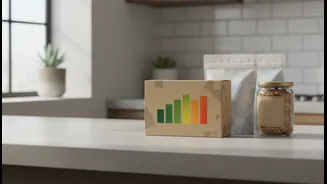
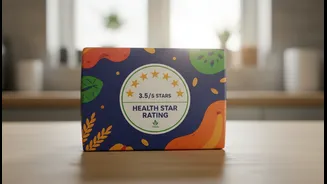
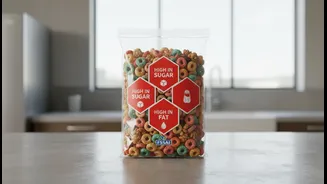
A major point of contention is the type of label to use. One proposal is the 'Health Star Rating' (HSR), similar to systems in Australia, which would rate a food from half a star to five stars based on its overall nutritional profile. However, health advocates and consumer organizations argue this system can be misleading. For example, a biscuit high in sugar and refined flour could potentially increase its star rating by adding small amounts of fibre or nuts, creating a false halo of health. Critics argue that this approach glorifies junk food and can be manipulated by the industry. The alternative, favoured by many public health experts, is a simple warning label—like an octagon—that clearly states if a product is 'High in Sugar,' 'High in Salt,' or 'High in Fat.' Studies suggest these direct warnings are more effective at helping consumers, regardless of literacy level, identify unhealthy products.
Where Traditional Wisdom Meets Modern Metrics
The debate becomes more complex when viewed through the lens of traditional Indian cuisine. For centuries, Indian food culture, rooted in Ayurveda, has seen food as medicine, with diets dictated by season and region. Traditional meals, while sometimes rich, are typically made from whole ingredients. How does a data-driven label, designed for industrial products, evaluate a homemade paratha with ghee or a festive laddoo? Critics of a simple star-rating system argue that it is unfavourable towards traditional delicacies and fails to capture the nuance of how food is consumed. A pickle, for instance, is high in salt, but is eaten in very small quantities as an accompaniment, not as a main course. The context of the meal—portion size, frequency, and what it's eaten with—is central to Indian dietary wisdom, a factor that a universal algorithm on a packet can't easily account for.
The Danger of Ultra-Processing
The real story isn't just about individual nutrients like fat or sugar. Health experts are increasingly pointing to the dangers of 'ultra-processing' itself. Ultra-processed foods (UPFs) are industrial formulations made from processed oils, refined sugars, and starches, combined with additives to make them palatable. These products, from instant noodles to sugary drinks, are linked to a higher risk of obesity, type 2 diabetes, and heart disease. They are engineered to be hyper-palatable, which can lead to overconsumption, and may negatively affect our gut health. This is where packaged food data becomes critical. It's not about vilifying traditional fats like ghee, but about distinguishing between whole foods and factory-made products that are replacing traditional, healthier diets, especially among the youth.
Finding an Indian Solution
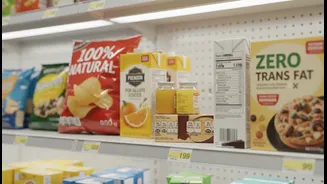
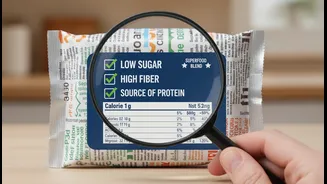
As FSSAI continues to issue notices to brands for misleading claims like "100% Natural" on products containing synthetic ingredients, the need for a robust system is clear. The challenge is to create a labelling system that respects India's unique culinary diversity while providing clear, unambiguous information about packaged foods. Many experts believe the solution lies in mandatory warning labels to flag unhealthy products, combined with greater consumer education on how to read and interpret nutritional information. This would empower people to make informed choices without dismissing the cultural significance of traditional foods. The goal is not to replace time-tested food wisdom, but to supplement it with modern, data-driven awareness that can help navigate the modern food environment safely.